


Leo Smit
Released Album
Chamber
-
 June 24, 2022
 -
 July 21, 2020
 -
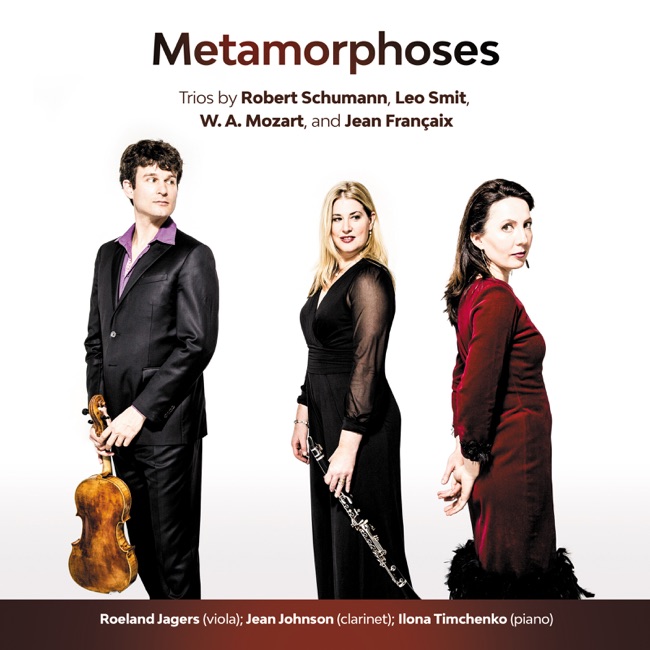 April 6, 2018
 -

-
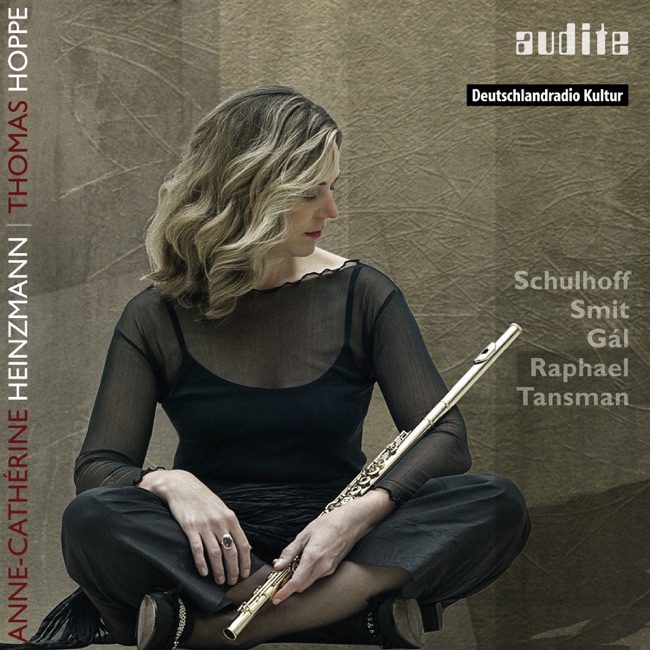 April 29, 2016
 -
 November 19, 2012
Keyboard
-
 March 22, 2024
 -
 July 1, 2022
 -
 May 15, 2020
 -
 May 1, 2012
Artist Info
Role:ComposerCountry: NetherlandsBirth:May 14, 1900 in Amsterdam, The NetherlandsDeath:April 30, 1943 in Sobibor, PolandPeriod:ContemporaryModernGenre:ChamberConcertoKeyboardOrchestralLeo Smit was a Dutch composer and pianist who was born on May 14, 1900, in Amsterdam, Netherlands. He was the son of a Jewish diamond cutter and grew up in a musical family. His father played the violin, and his mother was a singer. Smit showed an early interest in music and began taking piano lessons at the age of six. Smit's musical talent was evident from a young age, and he quickly became a skilled pianist. He studied at the Amsterdam Conservatory, where he was taught by the renowned pianist and composer Willem Pijper. Smit's early compositions were heavily influenced by Pijper's modernist style, which emphasized dissonance and complex rhythms. In 1922, Smit won the Prix de Rome, a prestigious award for young composers that provided him with a scholarship to study in Italy. While in Italy, Smit was exposed to the works of Italian composers such as Claudio Monteverdi and Giuseppe Verdi, which had a significant impact on his musical style. Upon returning to the Netherlands, Smit began to establish himself as a composer and pianist. He performed extensively throughout Europe and the United States, earning critical acclaim for his virtuosic piano playing and innovative compositions. Smit's music was characterized by its lyrical melodies, rich harmonies, and inventive use of rhythm. He was particularly interested in exploring the possibilities of combining traditional tonal structures with modernist techniques, such as polytonality and atonality. One of Smit's most significant works is his Piano Concerto, which he composed in 1934. The concerto is a virtuosic showcase for the piano, with complex rhythms and harmonies that reflect Smit's modernist influences. The work was premiered by the Concertgebouw Orchestra in Amsterdam, with Smit himself as the soloist. Smit's music was also influenced by his Jewish heritage, and he often incorporated Jewish themes and melodies into his compositions. One of his most famous works in this vein is his Jewish Rhapsody, which he composed in 1939. The piece is a tribute to the rich musical traditions of the Jewish people and features a blend of traditional Jewish melodies and modernist harmonies. Unfortunately, Smit's promising career was cut short by the outbreak of World War II. As a Jew, he was targeted by the Nazi regime and was forced to go into hiding. Despite the danger, Smit continued to compose music in secret, often using pseudonyms to avoid detection. Tragically, Smit was eventually discovered by the Nazis and was deported to the Sobibor extermination camp in Poland, where he was murdered in 1943. He was just 43 years old. Despite his short life, Smit left behind a significant body of work that continues to be performed and admired today. His music is characterized by its innovative use of harmony and rhythm, as well as its deep emotional resonance. Smit's legacy serves as a reminder of the power of music to transcend cultural and political boundaries and to connect people across time and space.More....
Recent Artist Music



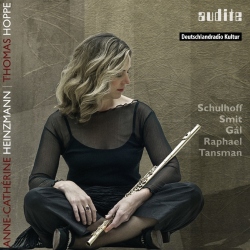




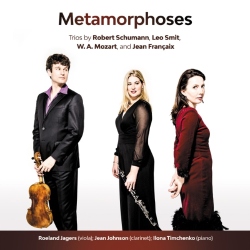


13
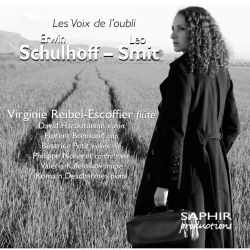
Trio for clarinet, viola & piano
I. Allegro ma non troppo - II. Scherzando - III. Molto lento
12:14


Copyright Ⓒ 2013 Davinci Finger. All rights reseved
Service Terms & Policy