


Gilles de Bins dit Binchois
Released Album
Vocal
-
 February 25, 2022
 -
 January 7, 2022
 -
 November 12, 2021
 -
 March 15, 2019
 -
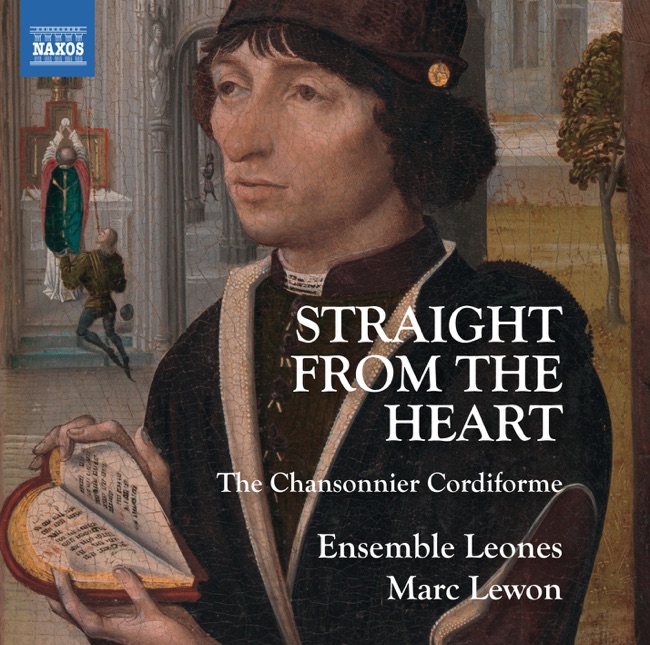 October 14, 2016
 -
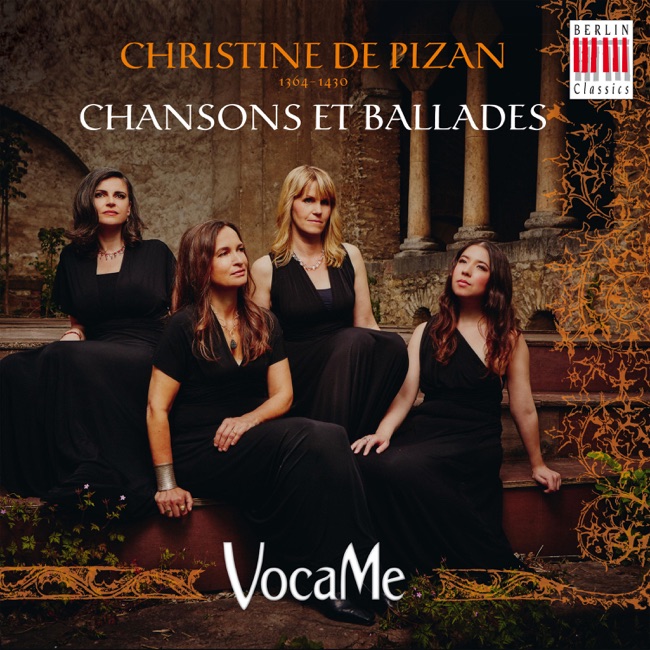 January 29, 2016
Choral
-
 February 12, 2021
 -
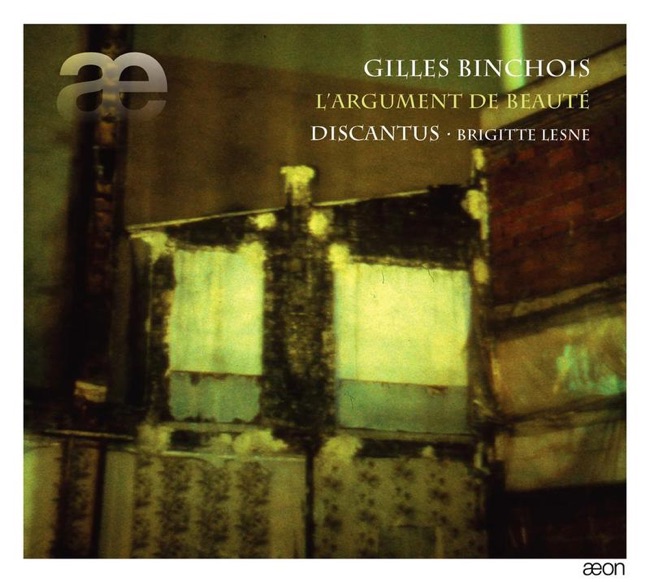 January 11, 2011
 -
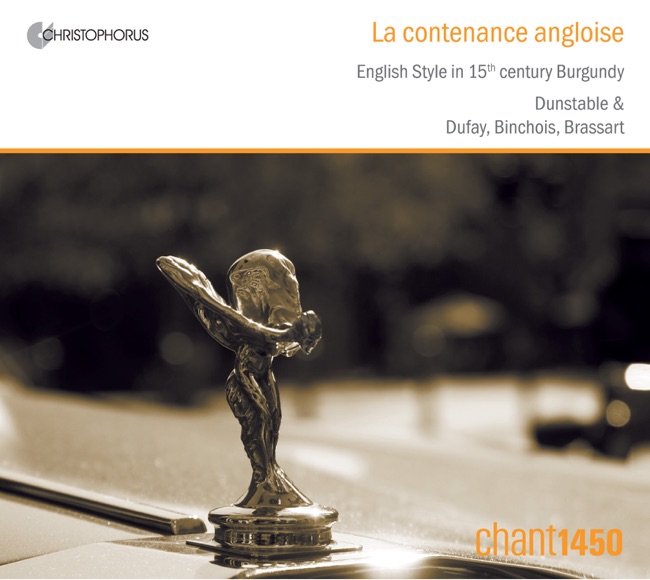 September 28, 2010
 -
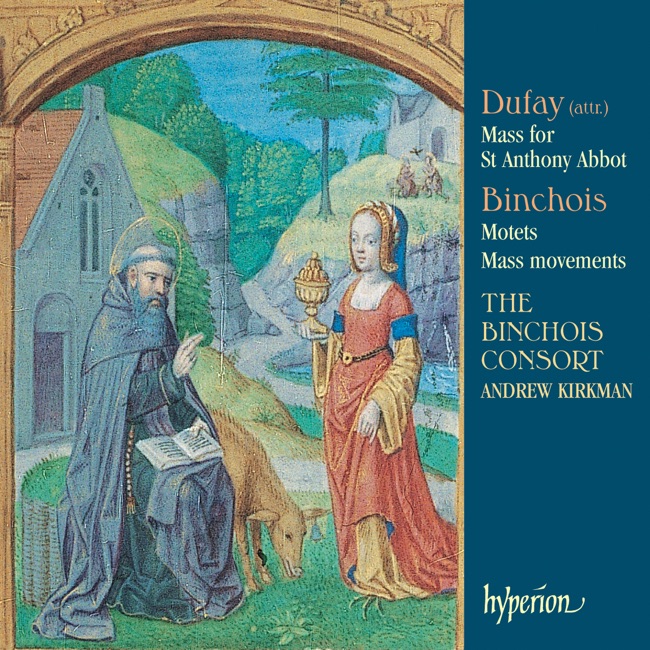
-
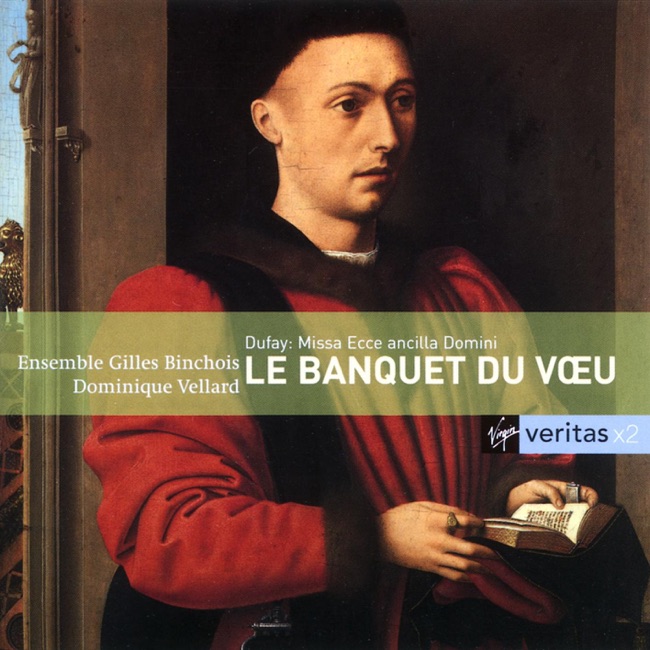 June 5, 2000
 -
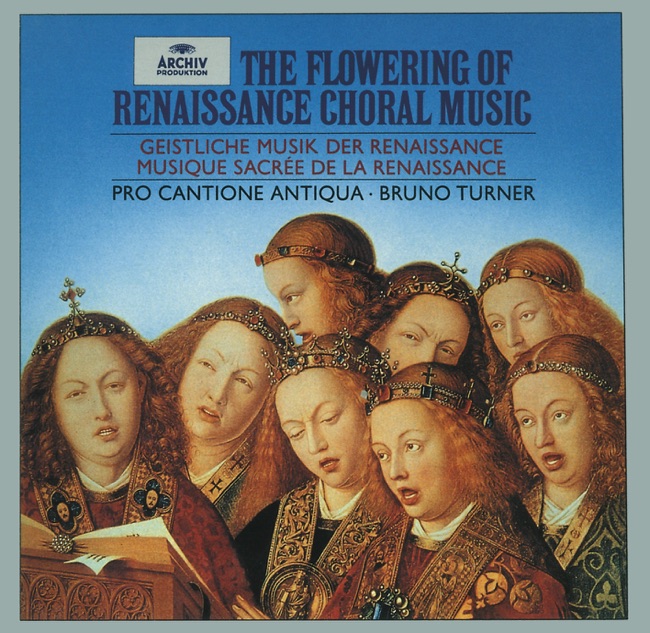 October 5, 1994
Artist Info
Role:EnsembleCountry: FranceFormed:1400 in Mons, BelgiumDisband:September 20, 1460 in Soignies, BelgiumPeriod:MedievalGenre:ChoralVocalGilles de Bins dit Binchois was a prominent composer of the Burgundian School, a group of composers who flourished in the 15th century in the Burgundian court. He was born in the town of Binche, in modern-day Belgium, around 1400. Little is known about his early life, but it is believed that he received his musical education in the choir of the cathedral of Sainte-Waudru in Mons, where he may have been a choirboy. Binchois' career as a composer began in the early 1420s, when he entered the service of Philip the Good, Duke of Burgundy. He remained in the duke's service for the rest of his life, and his music was closely associated with the Burgundian court. Binchois was known for his elegant and refined style, which was characterized by smooth, flowing melodies and rich harmonies. His music was highly regarded by his contemporaries, and he was considered one of the leading composers of his time. Binchois' output as a composer was extensive, and he wrote music in a variety of genres, including chansons, motets, and mass settings. His chansons were particularly popular, and he is credited with helping to establish the form as a major genre of secular music. His chansons were often written in the form of a rondeau, a popular French poetic form that was characterized by a refrain that was repeated throughout the song. One of Binchois' most famous chansons is "De plus en plus," which was written in the early 1430s. The song is a rondeau, and its refrain, "De plus en plus se renouvelle ma douleur," which translates to "My sorrow is renewed more and more," is repeated throughout the song. The melody is simple and elegant, and the harmonies are rich and expressive. The song is a poignant expression of the pain of lost love, and it is considered one of the finest examples of the Burgundian chanson. Binchois also wrote a number of motets, which were sacred vocal compositions that were often performed in church. His motets were characterized by their smooth, flowing melodies and rich harmonies, and they were often written in praise of the Virgin Mary. One of his most famous motets is "Ave Regina caelorum," which was written in the early 1430s. The motet is a setting of a hymn to the Virgin Mary, and it is characterized by its gentle, flowing melody and rich harmonies. The piece is a beautiful expression of devotion to the Virgin Mary, and it is considered one of the finest examples of the Burgundian motet. Binchois also wrote a number of mass settings, which were sacred vocal compositions that were performed during the Catholic Mass. His mass settings were characterized by their smooth, flowing melodies and rich harmonies, and they were often written in a style that was similar to his chansons and motets. One of his most famous mass settings is the Missa L'homme armé, which was written in the early 1460s. The mass is based on a popular secular tune called "L'homme armé," which was used as the basis for a number of mass settings during the Renaissance. Binchois' setting is characterized by its elegant and refined style, and it is considered one of the finest examples of the Burgundian mass. Binchois' music was highly influential during his lifetime, and it had a significant impact on the development of music in the Renaissance. His elegant and refined style was emulated by many composers, and his chansons, motets, and mass settings were widely performed and admired.More....
Recent Artist Music
1
8:18
2
1:45
3
6:26
12
3:22



Copyright Ⓒ 2013 Davinci Finger. All rights reseved
Service Terms & Policy