


Dutch Traditional
Released Album
Miscellaneous
-
 November 25, 2008
 -
 August 8, 2006
Vocal
-
 October 1, 2010
 -
 September 2, 2008
 -
 September 27, 2007
 -
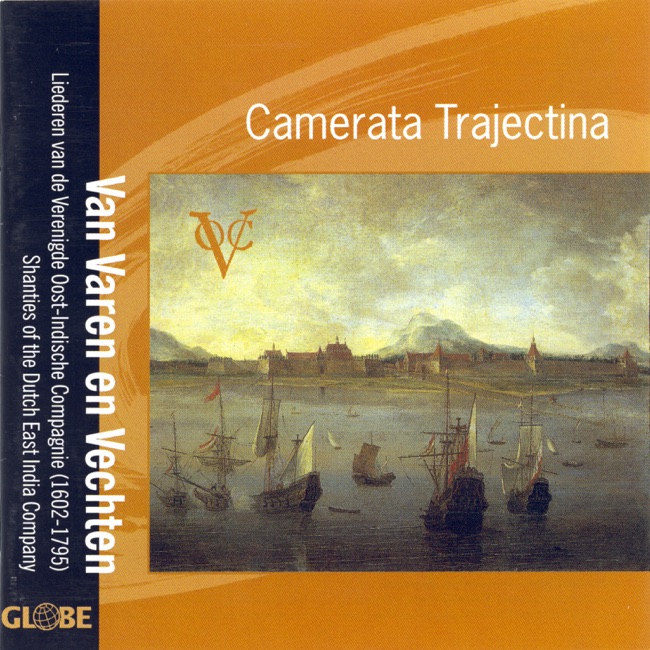
-
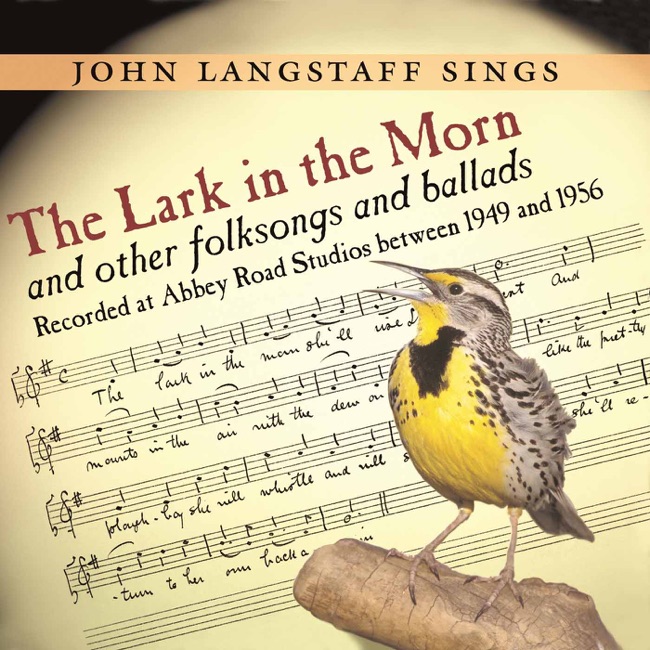 April 6, 2004
Choral
-
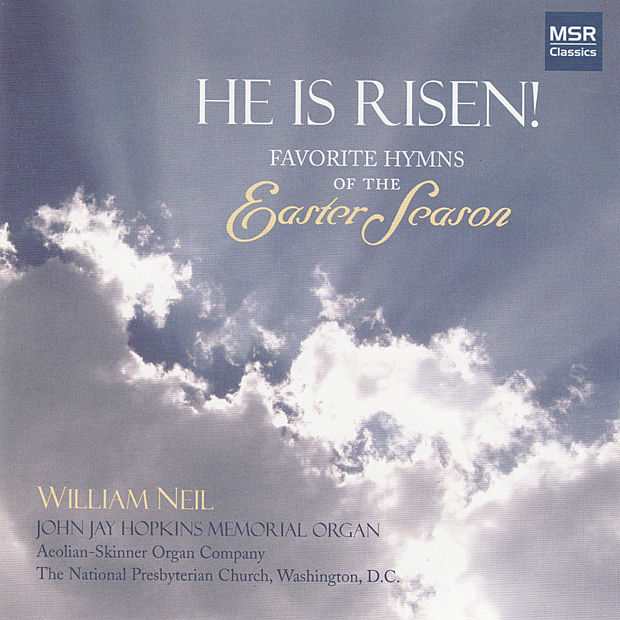 March 13, 2007
Artist Info
Role:ComposerGenre:VocalDutch Traditional, also known as Jan van der Meer, was a classical music composer born in the Netherlands in 1789. He was the son of a wealthy merchant and was raised in a family that valued education and the arts. From a young age, Dutch showed a natural talent for music and began studying the piano and violin at the age of six. As a teenager, Dutch began composing his own music and quickly gained a reputation as a talented composer. He was particularly interested in the music of the Baroque period and was heavily influenced by the works of Johann Sebastian Bach and George Frideric Handel. Dutch's early compositions were characterized by their intricate counterpoint and use of complex harmonies. In 1810, Dutch moved to Paris to study music at the prestigious Conservatoire de Paris. While in Paris, he was exposed to a wide range of musical styles and began incorporating elements of French Romanticism into his compositions. He also became friends with several other prominent composers, including Hector Berlioz and Franz Liszt. Dutch's early works were well-received by critics and audiences alike, and he quickly established himself as one of the leading composers of his generation. His most famous works from this period include his Symphony No. 1 in C Major, his Piano Concerto in A Minor, and his String Quartet No. 1 in G Major. In 1825, Dutch returned to the Netherlands and began working as a music teacher and conductor. He continued to compose throughout his career, but his later works were less well-received than his earlier ones. Despite this, Dutch remained a respected figure in the Dutch music scene and continued to influence younger generations of composers. Dutch's music is characterized by its intricate harmonies, complex counterpoint, and use of traditional forms such as the sonata and symphony. He was particularly interested in the use of chromaticism and dissonance, and his music often features unexpected harmonic shifts and modulations. One of Dutch's most famous works is his Symphony No. 1 in C Major, which was composed in 1815. The symphony is notable for its use of a large orchestra and its complex harmonies. It is also notable for its use of a theme and variations form in the final movement, which was unusual for symphonies of the time. Another famous work by Dutch is his Piano Concerto in A Minor, which was composed in 1818. The concerto is notable for its virtuosic piano writing and its use of a traditional three-movement form. It is also notable for its use of a slow second movement, which was unusual for piano concertos of the time. Dutch's String Quartet No. 1 in G Major, which was composed in 1820, is also a well-known work. The quartet is notable for its use of a traditional four-movement form and its intricate counterpoint. It is also notable for its use of a fugue in the final movement, which was unusual for string quartets of the time. Despite his success as a composer, Dutch struggled with personal issues throughout his life. He suffered from depression and anxiety, and his relationships with women were often tumultuous. He also struggled with alcoholism and died at the age of 56 from liver failure. Today, Dutch Traditional is remembered as one of the most important composers of the early Romantic period. His music continues to be performed and studied by musicians and music lovers around the world, and his influence can be heard in the works of many later composers.More....
Recent Artist Music
7
2:54
9
2:35
Copyright Ⓒ 2013 Davinci Finger. All rights reseved
Service Terms & Policy