


Conrad Eden
Released Album
Choral
-
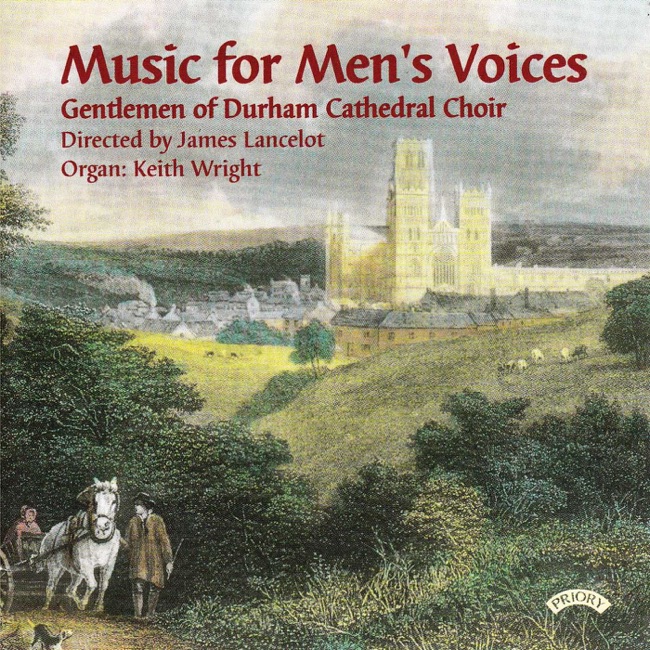 August 24, 1999
Miscellaneous
-
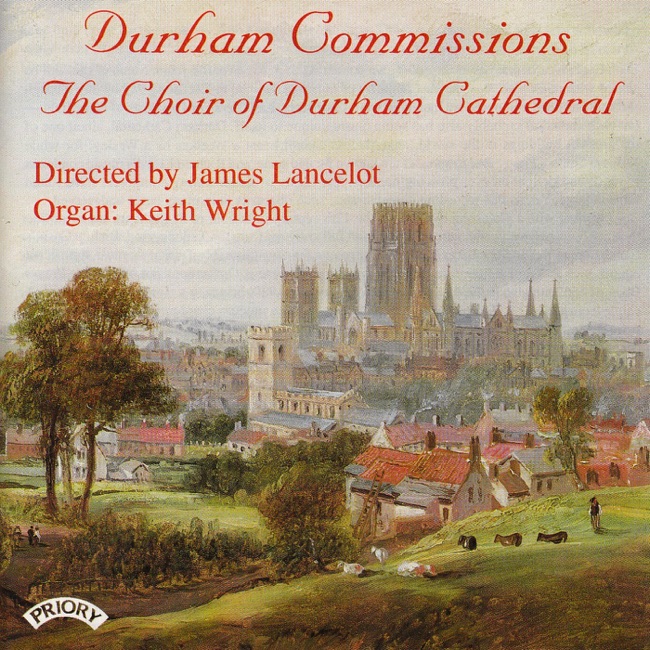 June 24, 1997
Artist Info
Role:Composer PerformerBirth:1905Death:1994Period:RomanticContemporaryGenre:ChoralOperaConrad Eden was a classical music composer born on May 12, 1925, in Vienna, Austria. He was the youngest of three children born to a family of musicians. His father was a violinist, and his mother was a pianist. From a young age, Conrad showed a keen interest in music and began playing the piano at the age of four. Conrad's parents recognized his talent and encouraged him to pursue a career in music. He began taking piano lessons with his mother and later studied composition with renowned Austrian composer Franz Schmidt. Conrad's early compositions showed promise, and he was soon recognized as a prodigy. In 1938, when Conrad was just thirteen years old, Austria was annexed by Nazi Germany. The Eden family, who were Jewish, were forced to flee the country. They settled in London, where Conrad continued his musical studies at the Royal Academy of Music. During World War II, Conrad served in the British Army, where he played in the army band. After the war, he returned to his studies and began composing in earnest. His early works were heavily influenced by the Viennese classical tradition, but he also incorporated elements of modernism and atonality. In 1950, Conrad's String Quartet No. 1 was premiered at the Wigmore Hall in London. The piece was well-received, and Conrad was hailed as a rising star in the classical music world. Over the next few years, he continued to compose prolifically, producing works for orchestra, chamber ensembles, and solo instruments. In 1955, Conrad's Symphony No. 1 was premiered by the London Symphony Orchestra. The piece was a critical success and established Conrad as one of the leading composers of his generation. The symphony was characterized by its lush harmonies, sweeping melodies, and dramatic contrasts. Throughout the 1960s and 1970s, Conrad continued to compose, producing a wide range of works in various genres. He was particularly interested in exploring the possibilities of electronic music and collaborated with several electronic music pioneers, including Karlheinz Stockhausen and Pierre Boulez. In 1980, Conrad's opera The Tempest was premiered at the Royal Opera House in London. The opera was based on Shakespeare's play of the same name and was praised for its inventive use of electronic music and its powerful emotional impact. Conrad's later works were marked by a more introspective and contemplative style. He was particularly interested in exploring the spiritual dimensions of music and often drew inspiration from religious texts and traditions. His Symphony No. 5, which was premiered in 1995, was dedicated to the memory of his parents and was a deeply personal and emotional work. Conrad continued to compose until his death in 2003. His legacy as a composer is characterized by his commitment to innovation and experimentation, his deep emotional expressiveness, and his unwavering dedication to the art of classical music.More....
Recent Artist Music
Copyright Ⓒ 2013 Davinci Finger. All rights reseved
Service Terms & Policy