


César Cui
Released Album
Chamber
-
 October 20, 2023
 -
-
 February 5, 2021
 -
 October 18, 2019
 -
 November 16, 2018
 -
 December 30, 2016
Vocal
-
 November 11, 2022
 -
 January 25, 2019
 -
 April 6, 2018
 -
 March 29, 2011
 -
 May 25, 2010
 -
 October 1, 2009
Keyboard
-
 May 10, 2023
 -
 June 4, 2021
 -
 March 25, 2021
 -
 January 4, 2019
 -
 March 30, 2018
 -
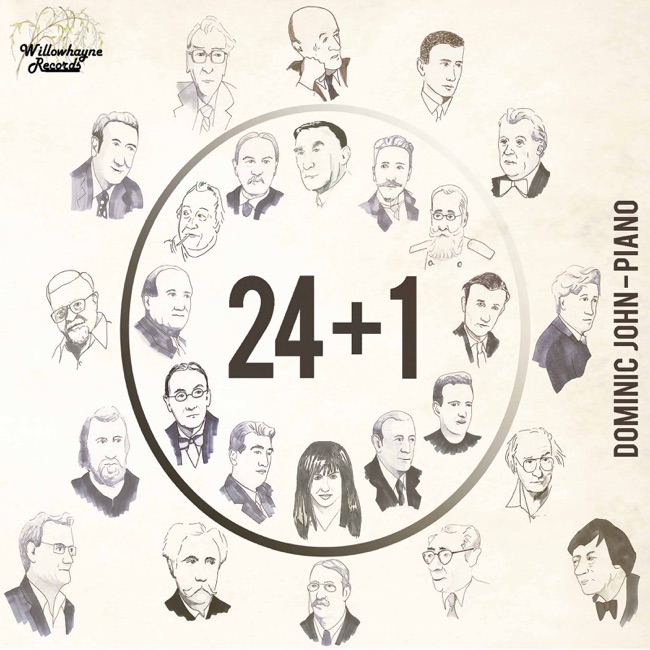 June 9, 2017
Orchestral
-
 March 3, 2009
 -
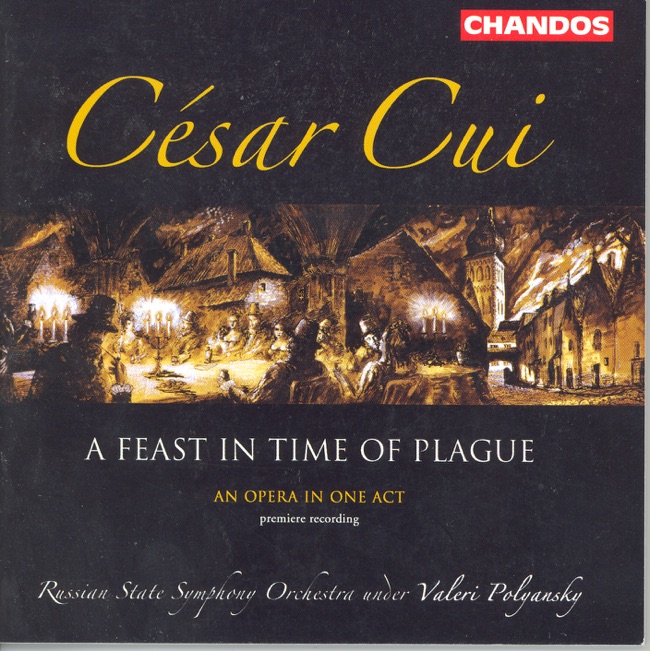 May 10, 2004
 -
 February 15, 1994
 -
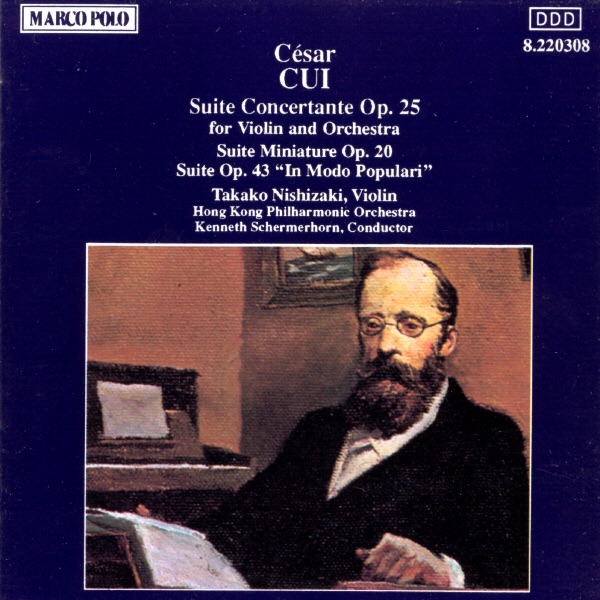
-
Artist Info
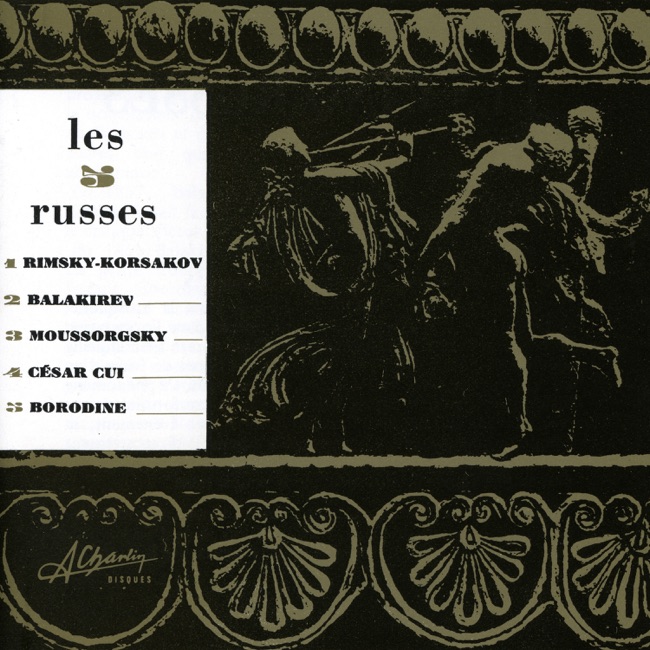
Role:ComposerCountry: RussiaBirth:January 18, 1835 in Vilnius, LithuaniaDeath:March 26, 1918 in Petrograd, RussiaPeriod:RomanticGenre:ChamberKeyboardVocalCésar Cui was a Russian composer, music critic, and military engineer who was born on January 18, 1835, in Vilnius, Lithuania. He was the fifth child of a French officer, who was serving in the Russian army, and a Lithuanian mother. Cui's father died when he was only seven years old, and his mother moved the family to St. Petersburg, where Cui spent most of his life. Cui showed an early interest in music and began taking piano lessons at the age of six. He later studied at the St. Petersburg Conservatory, where he was a student of Anton Rubinstein. However, Cui's true passion was for the military, and he pursued a career as an engineer in the Russian army. He served in the Russo-Turkish War of 1877-1878 and was awarded the Order of St. Stanislaus for his service. Despite his military career, Cui continued to compose music throughout his life. He was a member of the "Mighty Handful," a group of Russian composers that included Modest Mussorgsky, Nikolai Rimsky-Korsakov, Aleksandr Borodin, and Mily Balakirev. The group was dedicated to creating a distinctively Russian style of classical music that was free from the influence of Western European music. Cui's music is characterized by its lyricism and simplicity. He wrote in a variety of genres, including opera, ballet, chamber music, and songs. His most famous works include the opera "William Ratcliff," the ballet "La Fille du Danube," and the song cycle "25 Preludes." One of Cui's earliest works was the opera "The Mandarin's Son," which he composed in 1861. The opera was based on a Chinese legend and was well-received by audiences. However, Cui was not satisfied with the work and later revised it extensively. Cui's most successful opera was "William Ratcliff," which he composed in 1869. The opera tells the story of a Scottish nobleman who seeks revenge on the woman who rejected him. The work was praised for its dramatic intensity and emotional power and was performed throughout Russia and Europe. In addition to his operas, Cui also composed several ballets, including "La Fille du Danube," which he wrote in 1880. The ballet tells the story of a young girl who falls in love with a prince and is eventually transformed into a river. The work was praised for its beautiful melodies and colorful orchestration. Cui's chamber music includes several string quartets, a piano trio, and a piano quintet. His string quartets are particularly notable for their lyricism and emotional depth. His song cycle "25 Preludes" is also highly regarded and features settings of poems by Russian poets such as Pushkin and Lermontov. In addition to his work as a composer, Cui was also a prolific music critic. He wrote for several Russian newspapers and magazines and was known for his outspoken opinions. He was a strong advocate for Russian music and often criticized the influence of Western European music on Russian composers. Cui's music fell out of favor in the early 20th century, as the Russian avant-garde movement gained popularity. However, his music has since been rediscovered and is now recognized as an important part of the Russian classical music tradition. Cui died on March 13, 1918, in Petrograd (now St. Petersburg), Russia. He is remembered as a talented composer and a passionate advocate for Russian music. His music continues to be performed and recorded today, and his contributions to the development of Russian classical music are widely recognized.More....
Recent Artist Music
8
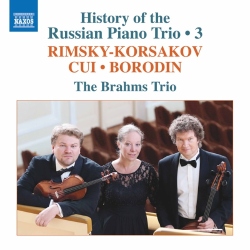
Far niente (arrangement of No. 2 from 'À Argenteau, Op. 40')
À Argenteau, Op. 40, No. 2 - Farniente in D major (Allegretto)
6:4









Copyright Ⓒ 2013 Davinci Finger. All rights reseved
Service Terms & Policy