


Gervase Elwes
Released Album
Vocal
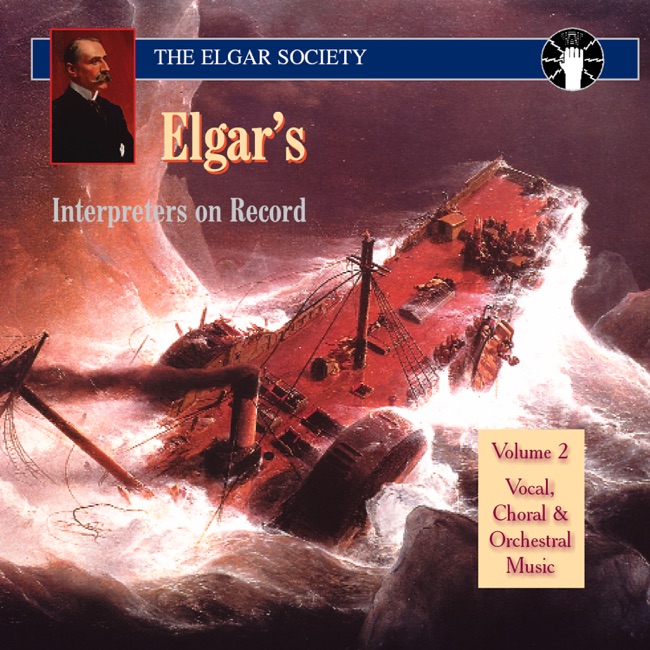
Artist Info
Period:RomanticModernGenre:VocalGervase Elwes was a renowned English tenor who made a significant contribution to the world of classical music during the late 19th and early 20th centuries. Born on November 5, 1866, in Billing Hall, Northamptonshire, England, Elwes was the son of a wealthy landowner. He received his early education at Eton College and later went on to study at Trinity College, Cambridge. Elwes' interest in music began at a young age, and he received his first formal training in singing from the renowned Italian tenor, Alberto Randegger. He made his debut as a professional singer in 1890, performing in a production of Handel's "Messiah" at the Crystal Palace in London. His performance was well-received, and he soon began to establish himself as a leading tenor in the English music scene. Elwes' career took off in the early 1900s when he began to perform in major opera productions across Europe and the United States. He made his debut at the Royal Opera House in London in 1902, playing the role of Don Ottavio in Mozart's "Don Giovanni." He also performed in productions of Verdi's "La Traviata" and Puccini's "La Bohème" at the Covent Garden Opera House. Elwes' performances were characterized by his powerful and expressive voice, which was capable of conveying a wide range of emotions. He was particularly renowned for his performances of English art songs, which he performed with great sensitivity and nuance. He was also known for his ability to sing in a variety of languages, including Italian, French, and German. One of Elwes' most notable performances was his rendition of the song "Silent Noon" by Ralph Vaughan Williams. The song, which was based on a poem by Dante Gabriel Rossetti, became one of Elwes' signature pieces and was widely regarded as one of the most beautiful songs in the English language. Elwes' performance of the song was so moving that it reportedly brought tears to the eyes of the composer himself. Elwes' career was not without its challenges, however. In 1914, he was forced to take a hiatus from performing due to the outbreak of World War I. He joined the British Army and served as a captain in the Royal Engineers. During his time in the army, he continued to sing for his fellow soldiers, and his performances were a source of comfort and inspiration to many. After the war, Elwes resumed his career as a singer and continued to perform in major productions across Europe and the United States. He also became a vocal coach and mentor to many young singers, including the renowned soprano, Elisabeth Schwarzkopf. Elwes' career was cut short, however, when he died suddenly on April 17, 1921, at the age of 54. His death was a great loss to the world of classical music, and he was mourned by many of his colleagues and fans. Despite his relatively short career, Gervase Elwes left a lasting legacy in the world of classical music. His powerful and expressive voice, combined with his sensitivity and nuance, made him one of the most beloved tenors of his time. His performances of English art songs, in particular, were widely regarded as some of the most beautiful and moving in the English language. Today, he is remembered as one of the great voices of the early 20th century and a true master of his craft.More....
Recent Artist Music
Copyright Ⓒ 2013 Davinci Finger. All rights reseved
Service Terms & Policy