


Kosaku Yamada
Released Album
Vocal
-
 July 5, 2024
 -
 January 5, 2018
 -
 October 14, 2016
 -
 September 2, 2002
 -
 August 7, 2000
 -
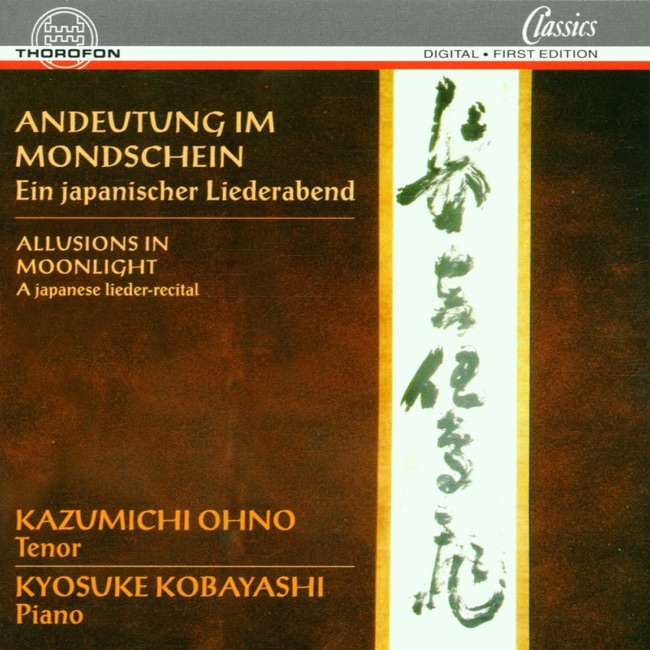 June 18, 1996
Chamber
-
 January 1, 2011
 -
 January 23, 2001
 -
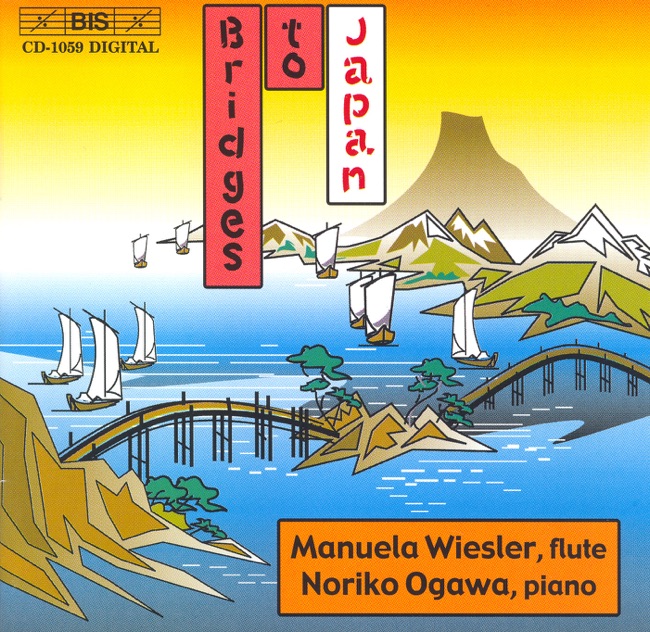 October 17, 2000
Keyboard
-
 October 15, 2008
 -
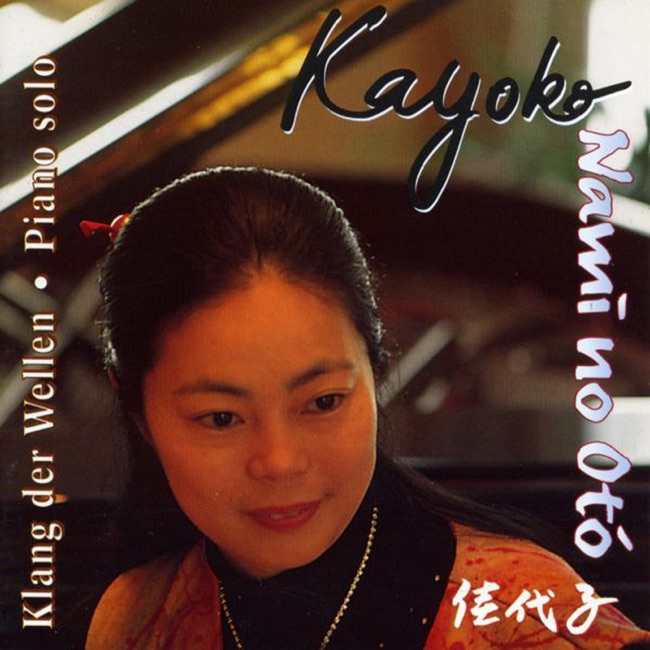 September 2, 2008
Artist Info
Role:ComposerCountry: JapanBirth:June 9, 1886 in Tokyo, JapanDeath:December 29, 1965 in Tokyo, JapanGenre:VocalKosaku Yamada was a Japanese composer and conductor who was born on June 9, 1886, in Tokyo, Japan. He was the son of a wealthy merchant and was exposed to music at a young age. His father was a music lover and often played classical music at home. Yamada was fascinated by the sound of the piano and started taking lessons at the age of six. Yamada's talent for music was evident from a young age, and he quickly became a skilled pianist. He was also interested in composition and started writing his own music when he was just 12 years old. Yamada's parents recognized his talent and encouraged him to pursue a career in music. In 1905, Yamada enrolled at the Tokyo Music School, where he studied composition and conducting. He was a dedicated student and quickly became one of the school's top performers. Yamada's talent was recognized by his teachers, and he was awarded a scholarship to study in Germany. In 1910, Yamada traveled to Germany to study at the Berlin Hochschule für Musik. He studied under some of the most renowned composers of the time, including Max Bruch and Ferruccio Busoni. Yamada's time in Germany was a formative experience, and he was exposed to a wide range of musical styles and techniques. Yamada returned to Japan in 1912 and quickly established himself as one of the country's leading composers. He was a prolific composer and wrote music in a variety of styles, including orchestral works, chamber music, and songs. Yamada's music was influenced by both Western classical music and traditional Japanese music, and he often incorporated elements of both into his compositions. One of Yamada's most famous works is his Symphony in F Major, which he composed in 1913. The symphony is a grand, sweeping work that showcases Yamada's skill as a composer. It is a fusion of Western classical music and traditional Japanese music, and it features a prominent role for the koto, a traditional Japanese stringed instrument. Yamada's Symphony in F Major was a groundbreaking work, and it helped establish him as one of Japan's leading composers. The symphony was well-received both in Japan and abroad, and it remains one of Yamada's most popular works. In addition to his work as a composer, Yamada was also a talented conductor. He founded the New Symphony Orchestra in 1914, which became one of Japan's leading orchestras. Yamada was known for his dynamic conducting style, and he was able to bring out the best in his musicians. Yamada's career was interrupted by World War II, and he was forced to put his musical pursuits on hold. He spent much of the war working for the Japanese government, and he was involved in propaganda efforts. After the war, Yamada was briefly imprisoned by the Allied forces, but he was eventually released and allowed to resume his musical career. In the years following the war, Yamada continued to compose and conduct. He wrote a number of new works, including his Symphony No. 2, which he composed in 1951. The symphony is a more introspective work than his earlier Symphony in F Major, and it reflects the difficult times that Japan had experienced in the years since the war. Yamada's career continued to flourish in the years leading up to his death in 1965. He was awarded numerous honors and awards for his contributions to music, and he remained a beloved figure in the Japanese music community. Today, Yamada is remembered as one of Japan's greatest composers.More....
Recent Artist Music



11

3:28

Copyright Ⓒ 2013 Davinci Finger. All rights reseved
Service Terms & Policy