


Franciska Anna Hajdu
Released Album
Choral
-
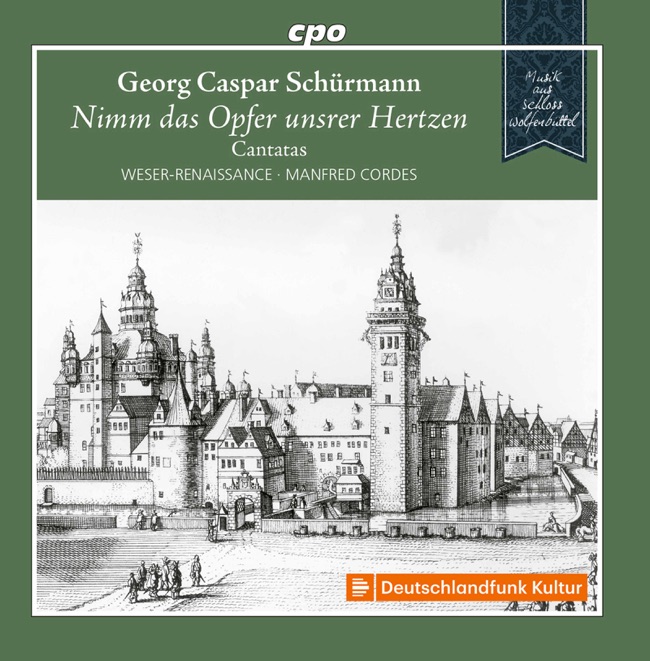 August 13, 2021
Artist Info
Role:Composer PerformerFranciska Anna Hajdu was a Hungarian composer born on December 28, 1982, in Budapest, Hungary. She grew up in a family of musicians, with her father being a composer and her mother a pianist. From a young age, Hajdu showed a keen interest in music and began playing the piano at the age of four. She later went on to study at the Franz Liszt Academy of Music in Budapest, where she received her degree in composition. Hajdu's early works were heavily influenced by the music of her father, who was a prominent figure in the Hungarian contemporary music scene. Her compositions were characterized by their use of unconventional techniques and sounds, often incorporating elements of folk music and jazz. Her early works include "Three Pieces for Piano" (2002) and "String Quartet No. 1" (2003). In 2004, Hajdu was awarded a scholarship to study at the Royal Conservatory of The Hague in the Netherlands. During her time there, she was exposed to a wide range of musical styles and began to incorporate elements of electronic music into her compositions. Her works from this period include "Sonic Blue" (2005) and "Electric Blue" (2006). Hajdu's breakthrough work came in 2007 with the premiere of her opera "The Raven". The opera, based on the poem by Edgar Allan Poe, was a critical and commercial success, earning Hajdu widespread recognition and praise. The opera was praised for its innovative use of electronic music and its haunting, atmospheric score. Following the success of "The Raven", Hajdu continued to explore new musical territories, incorporating elements of rock, pop, and hip-hop into her compositions. Her works from this period include "The Black Cat" (2009), a multimedia work that combined live music with video projections, and "The Tell-Tale Heart" (2011), a chamber opera based on the short story by Edgar Allan Poe. In 2013, Hajdu was commissioned by the Hungarian State Opera to write a new opera. The resulting work, "The Last Tycoon", was based on the novel by F. Scott Fitzgerald and premiered to critical acclaim. The opera was praised for its lush, romantic score and its evocative portrayal of the glamour and excess of 1920s Hollywood. Hajdu's most recent works include "The Great Gatsby" (2015), a ballet based on the novel by F. Scott Fitzgerald, and "The Invisible Man" (2017), a multimedia work that combined live music with video projections and dance. Throughout her career, Hajdu has been recognized for her innovative and boundary-pushing compositions. She has received numerous awards and honors, including the Artisjus Prize for Composition in 2008 and the Junior Prima Prize for Music in 2010. Her works have been performed by orchestras and ensembles around the world, and she has collaborated with a wide range of artists, including choreographers, filmmakers, and visual artists. In addition to her work as a composer, Hajdu is also a dedicated educator. She has taught composition at the Franz Liszt Academy of Music in Budapest and the Royal Conservatory of The Hague, and has given masterclasses and workshops around the world. In conclusion, Franciska Anna Hajdu is a Hungarian composer who has made a significant impact on the contemporary music scene. Her innovative and boundary-pushing compositions have earned her widespread recognition and praise, and her works continue to be performed and celebrated around the world.More....
Recent Artist Music
2
Up! Shout out, sing praises to the king of honor!
Chor. Auf! Jauchzet, lobsinget dem König der Ehren!
2:52
Copyright Ⓒ 2013 Davinci Finger. All rights reseved
Service Terms & Policy