


Nico Dostal
Released Album
Opera
-
 September 20, 2024
 -
 May 3, 2024
 -
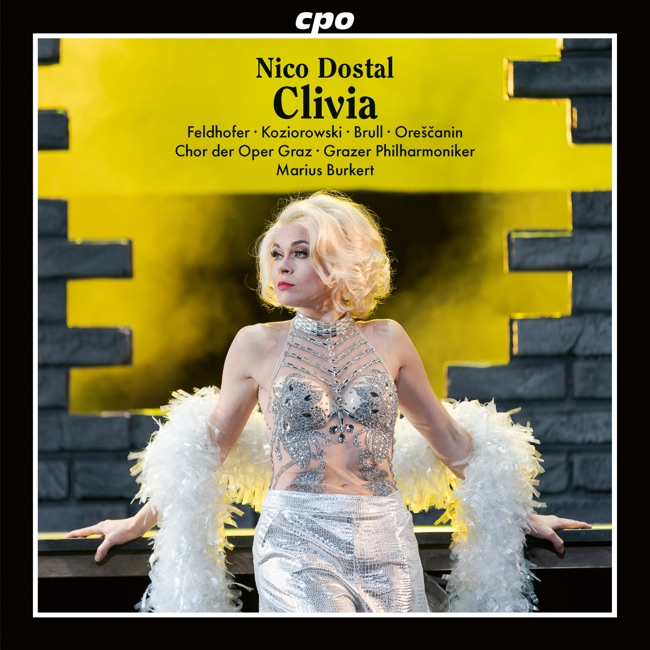 June 20, 2023
 -
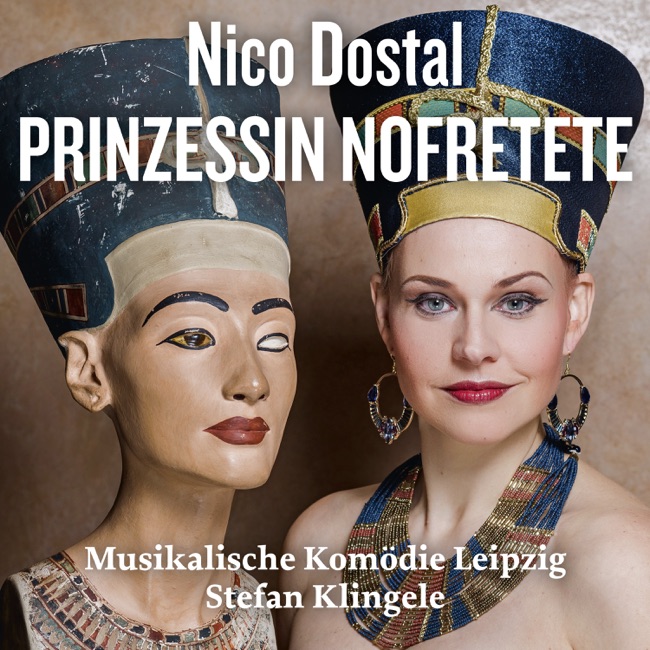 November 17, 2017
 -
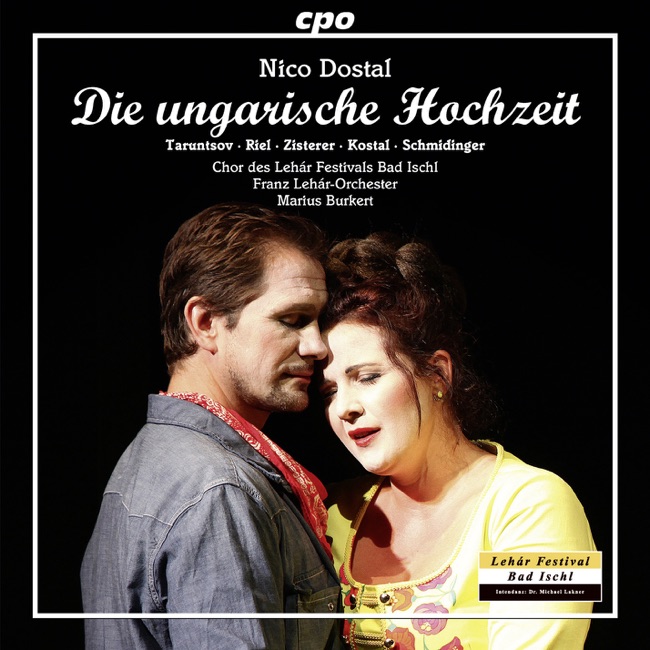 September 30, 2016
 -
 January 26, 2010
Vocal
-
 August 28, 2001
Orchestral
-
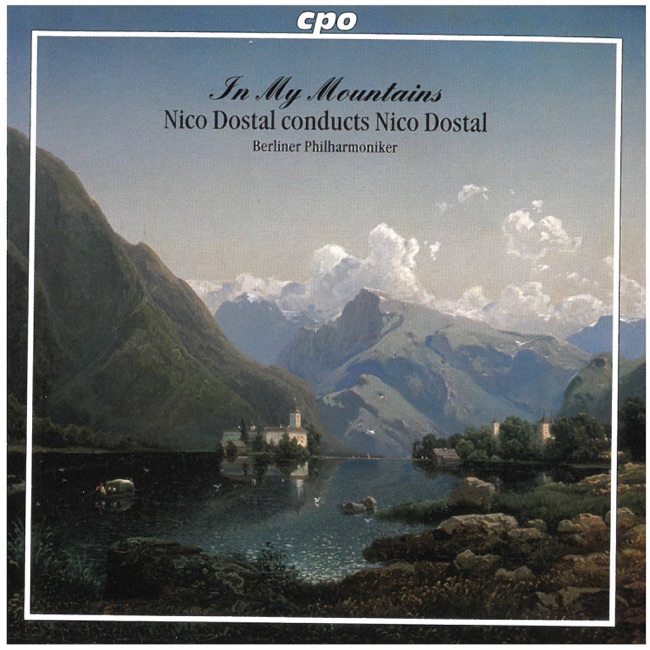 March 1, 2002
Artist Info
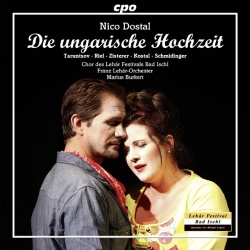
Role:Composer ConductorBirth:November 27, 1895 in Korneuburg, AustriaDeath:October 27, 1981 in Salzburg, AustriaGenre:OperaVocalNico Dostal was a prominent Austrian composer of operettas and film scores. He was born on October 27, 1895, in Vienna, Austria. His father, Richard Dostal, was a composer and conductor, and his mother, Marie Dostal, was a singer. Nico Dostal grew up in a musical family and showed an early interest in music. He began playing the piano at the age of six and started composing his own music at the age of 12. Dostal studied music at the Vienna Conservatory, where he was a student of Franz Schreker and Joseph Marx. He also studied conducting with Felix Weingartner. After completing his studies, Dostal worked as a conductor and pianist in various theaters in Austria and Germany. In 1923, Dostal composed his first operetta, "Clivia," which was a huge success. The operetta was performed in theaters throughout Austria and Germany and was later adapted into a film. Dostal went on to compose many more operettas, including "Die ungarische Hochzeit" (The Hungarian Wedding), "Die Perlen der Cleopatra" (The Pearls of Cleopatra), and "Die Blume von Hawaii" (The Flower of Hawaii). Dostal's operettas were known for their catchy melodies, witty lyrics, and colorful orchestrations. His music was influenced by the Viennese operetta tradition, as well as by jazz and popular music of the time. Dostal was also known for his film scores, which included music for movies such as "Der Kongress tanzt" (The Congress Dances) and "Die Fledermaus" (The Bat). In addition to his work as a composer, Dostal was also a conductor and pianist. He conducted many of his own operettas and also worked as a guest conductor in theaters throughout Europe. He was known for his energetic and expressive conducting style, as well as his ability to bring out the best in his performers. Dostal's career was interrupted by World War II, during which he served in the German army. After the war, he returned to Vienna and resumed his work as a composer and conductor. He continued to compose operettas and film scores, as well as music for radio and television. One of Dostal's most famous works is the operetta "Die Blume von Hawaii" (The Flower of Hawaii), which premiered in 1931. The operetta tells the story of a Hawaiian princess who falls in love with a German officer. The music is a blend of Viennese waltzes, Hawaiian melodies, and jazz rhythms. The operetta was a huge success and has been performed in theaters around the world. Another notable work by Dostal is the film score for "Der Kongress tanzt" (The Congress Dances), which was released in 1931. The film is a historical comedy set during the Congress of Vienna in 1815. The music is a mix of classical and popular styles, and includes a famous waltz that has become a classic of Viennese music. Dostal's music has been praised for its melodic beauty, rhythmic vitality, and colorful orchestration. His operettas and film scores continue to be performed and recorded today, and his music remains popular with audiences around the world. Nico Dostal died on December 27, 1981, in Salzburg, Austria. He left behind a legacy of music that continues to be enjoyed by generations of music lovers.More....
Recent Artist Music

Copyright Ⓒ 2013 Davinci Finger. All rights reseved
Service Terms & Policy