Edward MacDowell
Etude de concert, Op. 36
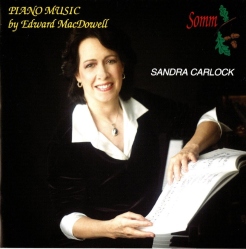
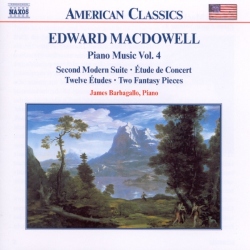
Released Album
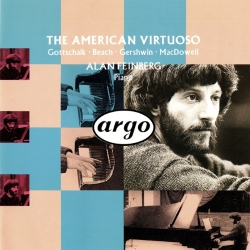
Recent Album
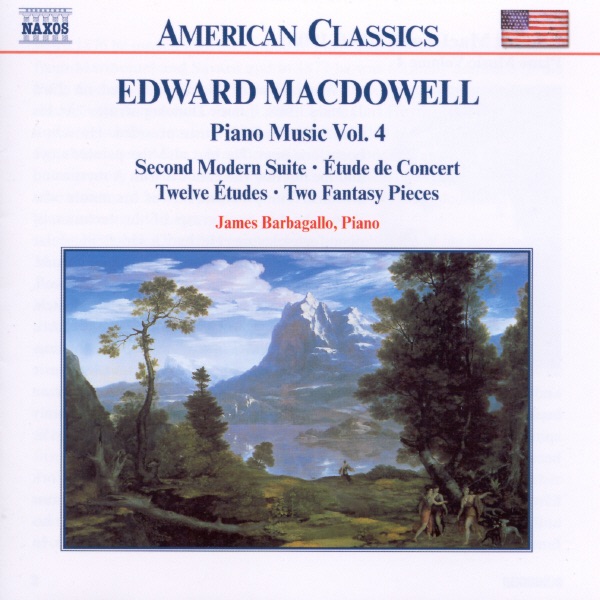
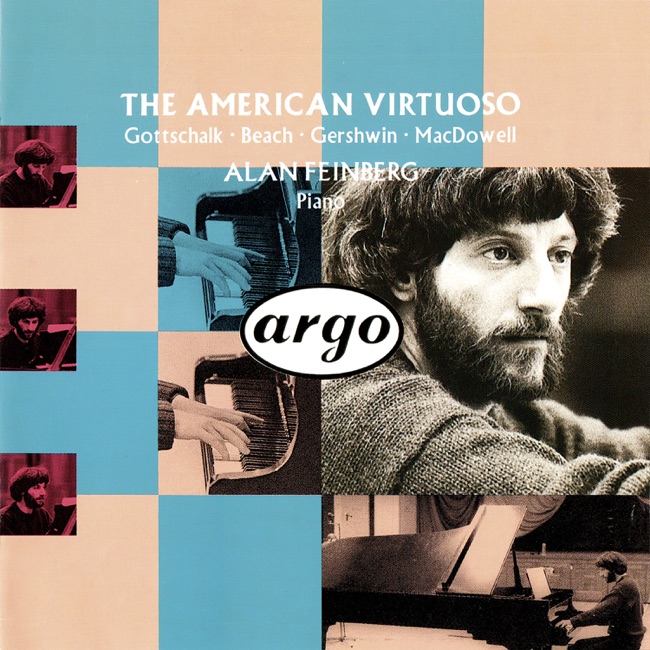
Works Info
Composer:Edward MacDowellGenre:KeyboardStyle:EtudeCompose Date:1887Average_duration:4:00Etude de concert, Op. 36 is a piano composition by American composer Edward MacDowell. It was composed in 1889 and premiered the same year in Boston. The piece consists of three movements and is approximately 15 minutes in length. The first movement, marked Allegro non troppo, is in A-flat major and is characterized by its lively and energetic nature. The opening theme is introduced by the right hand and is then repeated in the left hand. The middle section of the movement features a more lyrical melody, which is then developed and expanded upon before returning to the opening theme. The second movement, marked Andantino, is in F-sharp minor and is much more subdued than the first. It begins with a simple melody in the right hand, accompanied by a gentle arpeggio in the left. The melody is then repeated in the left hand, while the right hand plays a more elaborate accompaniment. The middle section of the movement features a more complex melody, which is then developed and expanded upon before returning to the opening theme. The third and final movement, marked Allegro, is in A-flat major and is the most technically demanding of the three. It begins with a fast and furious arpeggio in the right hand, accompanied by a simple melody in the left. The middle section of the movement features a more lyrical melody, which is then developed and expanded upon before returning to the opening theme. Overall, Etude de concert, Op. 36 is a virtuosic and challenging piece that showcases MacDowell's skill as a composer and pianist. The piece is characterized by its lively and energetic nature, as well as its use of complex melodies and technical flourishes.More....
Works Music