Alessandro Grandi
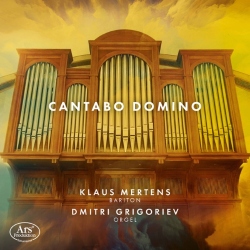
Cantabo Domino for 4 voices
Released Album
Recent Album
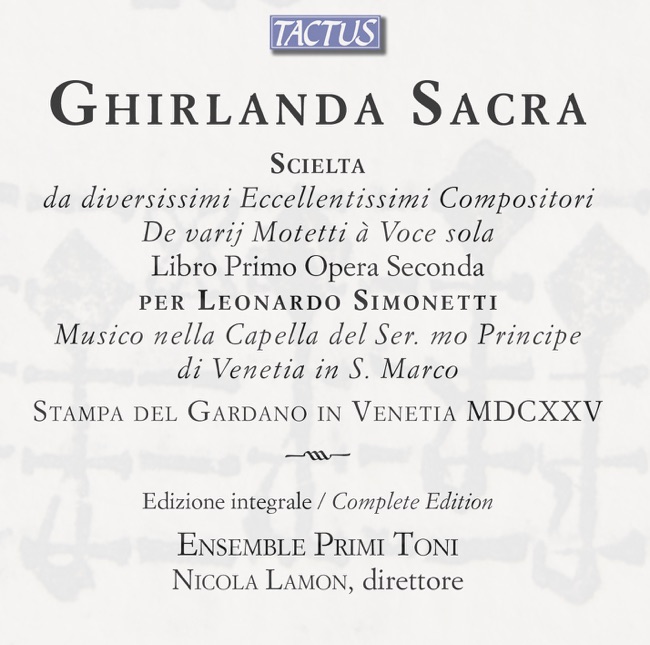
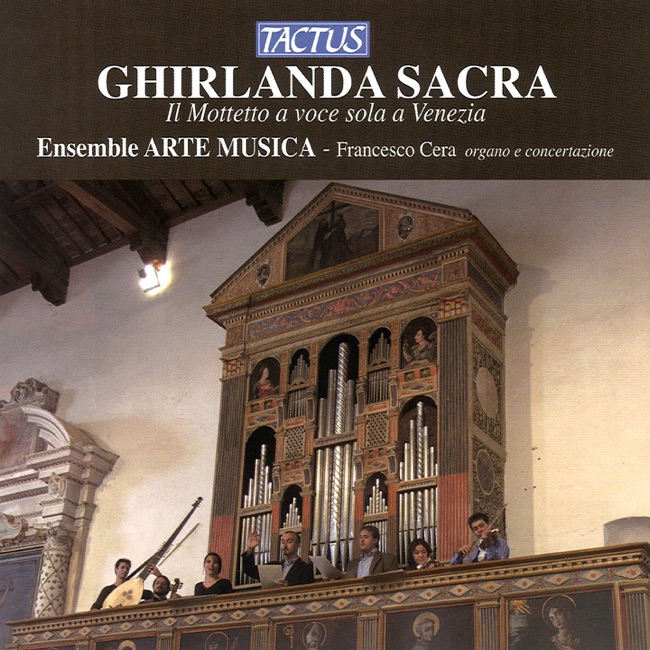

Featured Album
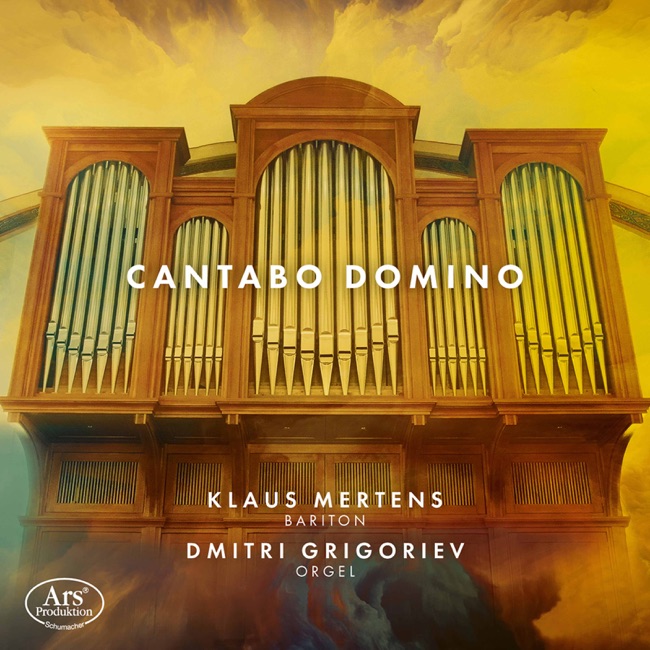
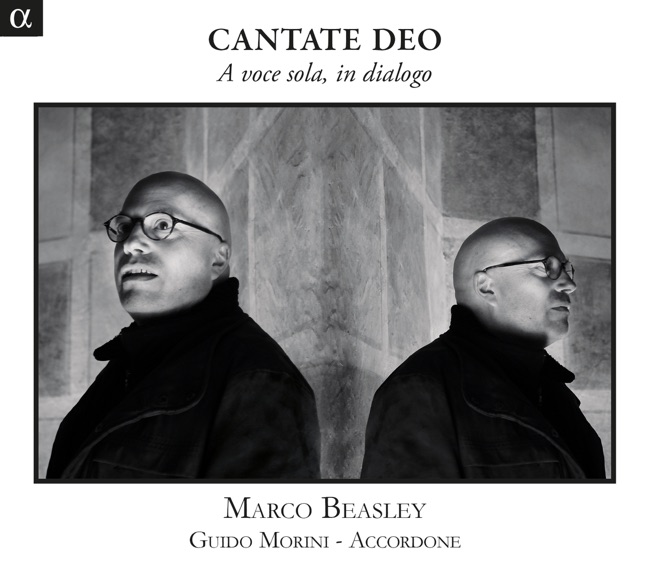
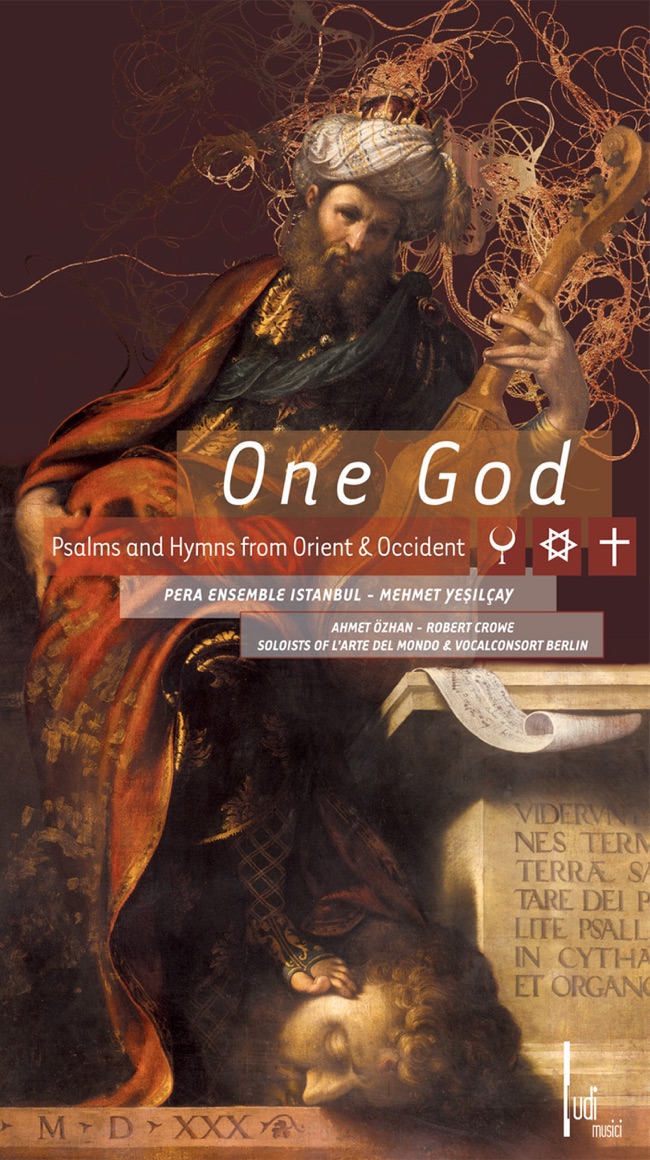
Works Info
Composer:Alessandro GrandiGenre:VocalStyle:SongAverage_duration:3:15Alessandro Grandi was an Italian composer of the early Baroque period, born in Ferrara in 1586. He was a prolific composer of sacred music, and his works were widely performed in churches throughout Italy. One of his most famous compositions is the "Cantabo Domino for 4 voices," which was composed in the early 17th century. The "Cantabo Domino" is a sacred motet, which was written for four voices. It is a polyphonic composition, which means that each voice sings a different melody, but they are all harmonized together to create a rich and complex sound. The piece is written in Latin, and the text is taken from Psalm 9:2-3, which reads "I will sing to the Lord, who has given me good things; I will sing praise to the name of the Lord most high." The "Cantabo Domino" is divided into three movements. The first movement is a lively and joyful opening, which sets the tone for the rest of the piece. The second movement is slower and more contemplative, with a focus on the text "I will be glad and rejoice in thee." The final movement is a triumphant conclusion, with all four voices coming together in a powerful and uplifting finale. One of the characteristics of Grandi's music is his use of chromaticism, which means that he often used notes that were outside of the traditional diatonic scale. This gave his music a unique and expressive quality, and it was a departure from the more conservative music of the Renaissance period. Another characteristic of Grandi's music is his use of word painting, which means that he used musical techniques to illustrate the meaning of the text. For example, in the "Cantabo Domino," the joyful opening movement is characterized by lively rhythms and melodic leaps, which reflect the exuberant text. The "Cantabo Domino" was premiered in the early 17th century, and it quickly became a popular piece of sacred music. It was performed in churches throughout Italy, and it was also published in several collections of sacred music. Today, it is still performed and recorded by choirs and vocal ensembles around the world, and it remains a testament to Grandi's skill as a composer of sacred music.More....
Works Music
Released Music

3
3:16

Featured Music