Tobias Hume
My Mistresse hath a Pritty Thing
Released Album
Recent Album
Featured Album
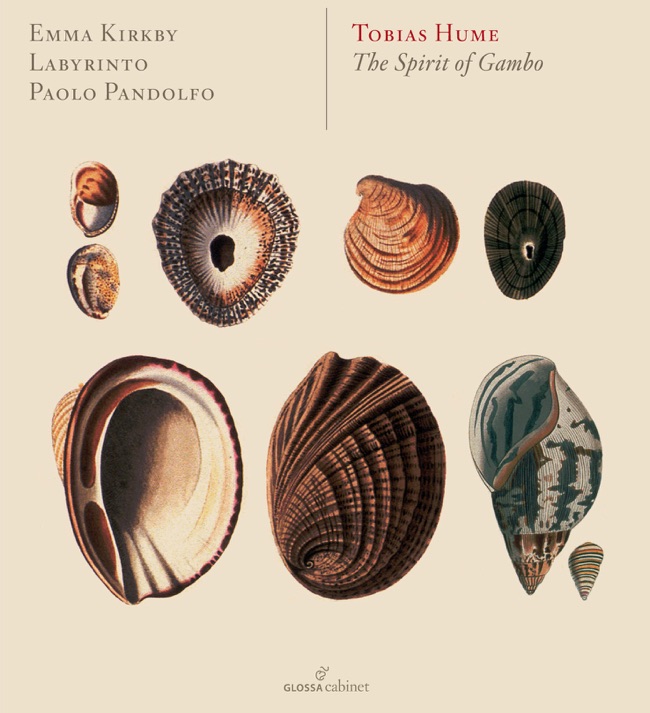
Works Info
Composer:Tobias HumeGenre:MiscellaneousStyle:MiscellaneousCompose Date:1605Average_duration:2:37Tobias Hume was an English composer and viol player who lived during the late Renaissance and early Baroque periods. One of his most famous works is "My Mistresse hath a Pritty Thing," a piece for solo viol that was likely composed in the early 17th century. The piece is divided into four movements, each with its own distinct character and mood. The first movement is marked "Almaine," a popular dance form of the time. It is a lively and energetic piece, with a strong rhythmic drive and a sense of forward momentum. The second movement is marked "Pavan," another popular dance form. This movement is slower and more stately than the first, with a more contemplative and introspective mood. The melody is more ornate and complex, with a greater emphasis on ornamentation and embellishment. The third movement is marked "Galliard," a fast and lively dance form that was often paired with the Pavan. This movement is characterized by its virtuosic flourishes and rapid-fire runs, as well as its playful and exuberant mood. The final movement is marked "Jigge," a fast and lively dance form that was popular in England during the Renaissance. This movement is characterized by its driving rhythm and infectious energy, with a sense of joy and celebration that brings the piece to a rousing conclusion. Throughout the piece, Hume demonstrates his mastery of the viol, using a variety of techniques and techniques to create a rich and varied sound. He employs a range of bowing techniques, including spiccato and staccato, to create a sense of rhythmic drive and momentum. He also uses a variety of fingerings and positions to create a range of tonal colors and textures, from the rich and resonant to the light and airy. Overall, "My Mistresse hath a Pritty Thing" is a masterful work that showcases Hume's skill as a composer and performer. Its lively rhythms, intricate melodies, and virtuosic flourishes make it a joy to listen to, and it remains a beloved piece in the viol repertoire to this day.More....
Works Music
Released Music
Featured Music