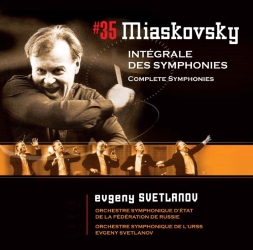
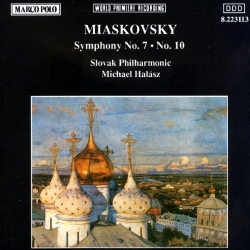
Nikolay Myaskovsky
Symphony No. 10 in F minor, Op. 30
Released Album
Recent Album
-
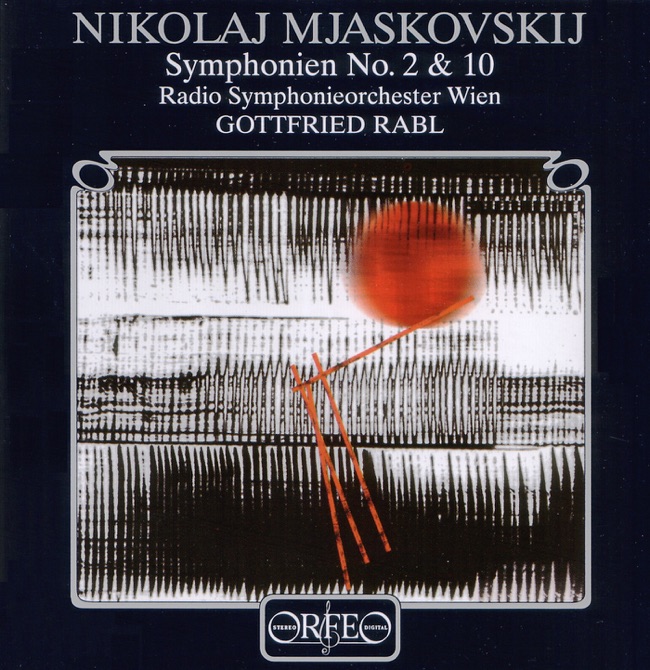
-
-
 St. Petersburg Orchestra of the State Hermitage MuseumAugust 5, 2008
 -
-
-
Works Info
Composer:Nikolay MyaskovskyGenre:SymphonyStyle:SymphonyCompose Date:1926Average_duration:17:21Symphony No. 10 in F minor, Op. 30 is a composition by Russian composer Nikolay Myaskovsky. It was composed in 1926 and premiered on January 28, 1927, in Moscow. The symphony is divided into four movements and has a total duration of approximately 45 minutes. The first movement, marked Allegro, begins with a somber and brooding theme in the strings. The theme is then taken up by the woodwinds and brass, building to a powerful climax. The second theme is more lyrical and is introduced by the oboe. The movement is characterized by its use of chromaticism and dissonance, creating a sense of tension and unease. The second movement, marked Andante, is a lyrical and introspective piece. It begins with a solo violin playing a mournful melody, which is then taken up by the rest of the strings. The movement is characterized by its use of lush harmonies and expressive melodies. The third movement, marked Allegro vivace, is a lively and energetic scherzo. It begins with a playful theme in the woodwinds, which is then taken up by the strings. The movement is characterized by its use of syncopation and rhythmic complexity. The final movement, marked Allegro con fuoco, is a powerful and dramatic finale. It begins with a driving rhythm in the strings, which is then taken up by the brass. The movement is characterized by its use of powerful climaxes and dramatic contrasts between loud and soft passages. Overall, Symphony No. 10 in F minor, Op. 30 is a powerful and expressive work that showcases Myaskovsky's skill as a composer. Its use of chromaticism, dissonance, and expressive melodies create a sense of tension and unease, while its powerful climaxes and dramatic contrasts make for a thrilling listening experience.More....
Works Music
Released Music