André Caplet
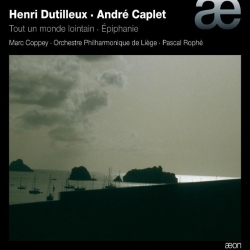
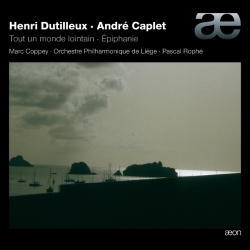
Épiphanie
Released Album
Recent Album
Featured Album
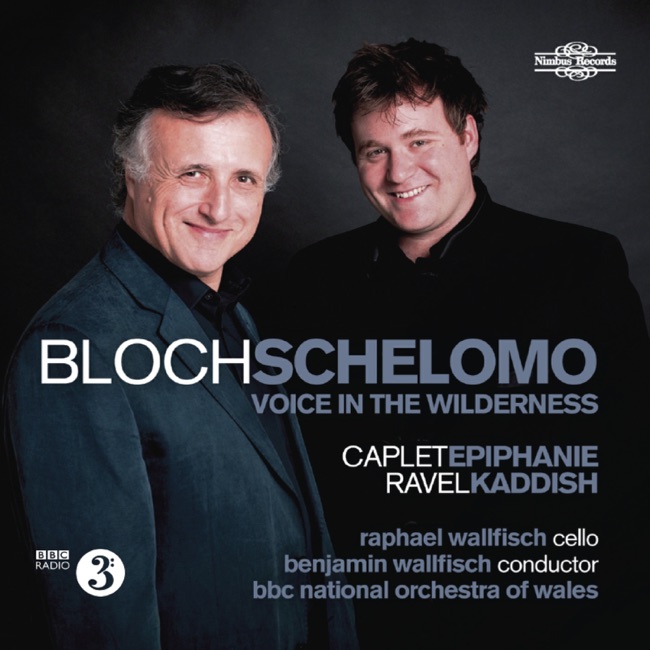
Works Info
Composer:André CapletGenre:ConcertoStyle:ConcertoCompose Date:1923Average_duration:21:15Movement_count:3Movement ....André Caplet's 'Épiphanie' is a composition for orchestra that was composed in 1908. The piece was premiered on January 17, 1909, at the Salle Pleyel in Paris, conducted by Gabriel Pierné. The composition consists of three movements, each with its own unique characteristics. The first movement, titled 'La Nuit', is a slow and mysterious piece that begins with a soft and haunting melody played by the strings. The music gradually builds in intensity, with the addition of brass and percussion, creating a sense of tension and anticipation. The movement ends with a sudden and dramatic climax, followed by a quiet and reflective coda. The second movement, titled 'L'Aurore', is a bright and energetic piece that represents the dawn. The music is characterized by a lively and rhythmic melody played by the woodwinds, accompanied by the strings and brass. The movement builds in intensity, with the addition of percussion and a soaring melody played by the violins. The movement ends with a triumphant and joyful climax. The third and final movement, titled 'Le Jour', is a grand and majestic piece that represents the day. The music is characterized by a powerful and majestic melody played by the brass, accompanied by the strings and percussion. The movement builds in intensity, with the addition of a soaring melody played by the woodwinds and a dramatic climax. The movement ends with a triumphant and celebratory coda. Overall, 'Épiphanie' is a masterful composition that showcases Caplet's skill as a composer. The piece is characterized by its use of rich harmonies, intricate melodies, and dramatic contrasts. The three movements work together to create a powerful and evocative musical journey that captures the essence of the night, dawn, and day.More....