Ibn Jafáya
Ai del meu al-Andalus
Released Album
Recent Album
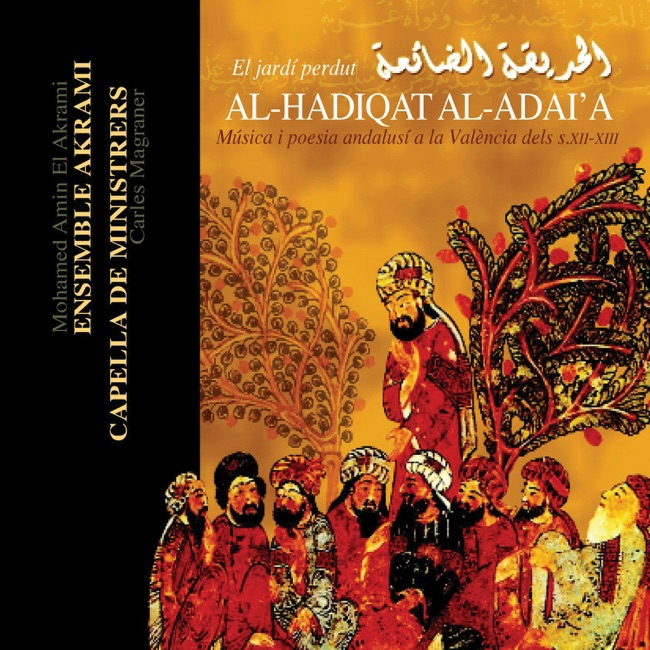
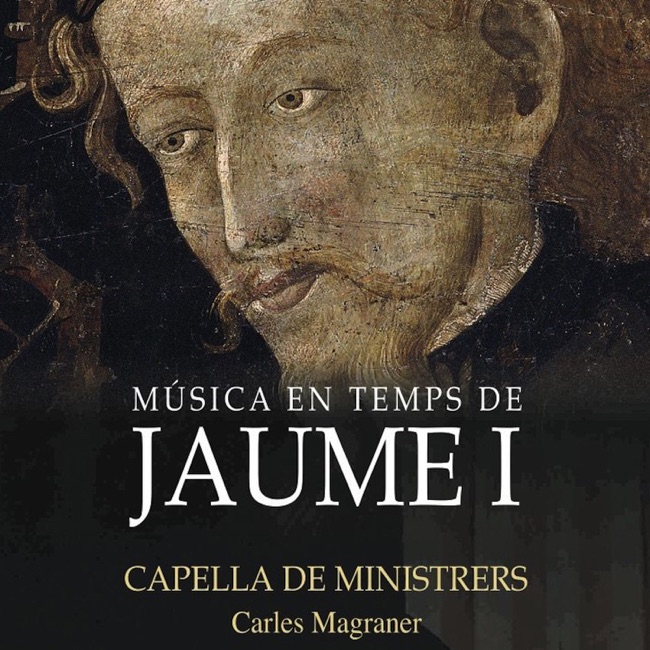
Works Info
Composer:Ibn JafáyaGenre:VocalAverage_duration:7:45'Ai del meu al-Andalus' is a famous poem composed by Ibn Jafáya, a poet from Al-Andalus, in the 11th century. The poem is a lamentation for the loss of Al-Andalus, the Muslim-ruled region of Spain, to the Christian forces of the Reconquista. It is considered one of the most important works of Andalusian literature. The poem was composed in the year 1070, during the reign of the Almoravid dynasty in Al-Andalus. It was first performed in the court of the Almoravid ruler, Yusuf ibn Tashfin, in the city of Marrakesh. The premiere of the poem was a great success, and it quickly became popular throughout the Muslim world. The poem is divided into five movements, each of which expresses a different aspect of the poet's grief for the loss of Al-Andalus. The first movement describes the beauty of Al-Andalus, with its fertile fields, sparkling rivers, and majestic mountains. The second movement laments the loss of the great cities of Al-Andalus, such as Cordoba, Granada, and Seville, which were once centers of learning, culture, and civilization. The third movement of the poem focuses on the people of Al-Andalus, who were renowned for their hospitality, generosity, and love of poetry. The poet mourns the loss of his friends and companions, who were scattered and displaced by the Christian conquest. The fourth movement of the poem is a call to arms, urging the Muslims of Al-Andalus to rise up and fight against the Christian invaders. The poet invokes the memory of the great Muslim warriors of the past, such as Tariq ibn Ziyad and Musa ibn Nusayr, who conquered Spain in the 8th century. The final movement of the poem is a prayer for the restoration of Al-Andalus to Muslim rule. The poet expresses his hope that one day the Muslims will be able to reclaim their lost homeland and restore the glory of their civilization. The characteristics of 'Ai del meu al-Andalus' are its lyrical beauty, its emotional intensity, and its historical significance. The poem is a masterpiece of Andalusian literature, and it has inspired generations of poets and writers throughout the Muslim world. Its themes of loss, grief, and hope continue to resonate with audiences today, making it a timeless work of art.More....
Works Music
Released Music