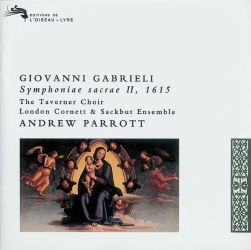
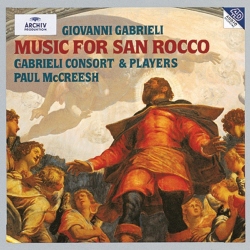
Giovanni Gabrieli
Suscipe clementissime Deus
Released Album
Recent Album
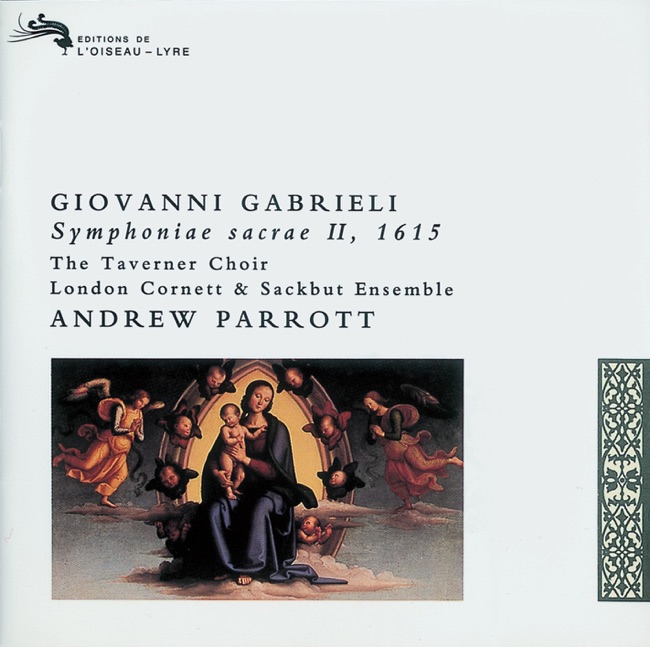
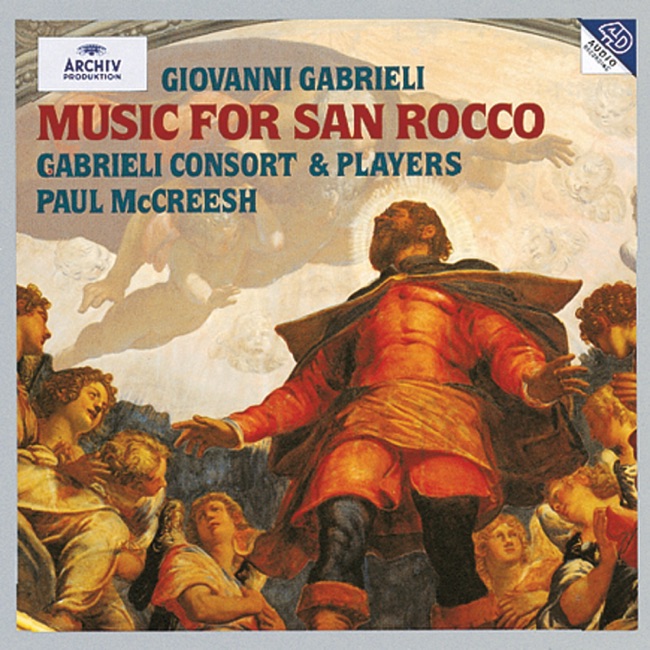
Works Info
Composer:Giovanni GabrieliGenre:ChoralStyle:MotetPublication Date:1615Average_duration:3:45Giovanni Gabrieli was a prominent Italian composer of the late Renaissance period. He was born in Venice in 1557 and died in 1612. Gabrieli was known for his innovative use of multiple choirs and instrumental groups, which he used to create a rich and complex sound. One of Gabrieli's most famous works is "Suscipe clementissime Deus," which was composed in the late 16th century. The piece is a motet, which is a type of choral composition that is typically based on a religious text. "Suscipe clementissime Deus" is based on a Latin text that translates to "Receive, most merciful God, the prayers of your servants." The piece is typically performed by a choir and a small ensemble of instruments, such as cornets, trombones, and organ. The instrumentation and use of multiple choirs is characteristic of Gabrieli's style, which was influenced by the Venetian polychoral tradition. "Suscipe clementissime Deus" is divided into three movements. The first movement is a slow and solemn introduction, which sets the tone for the piece. The second movement is more lively and features a call-and-response between the choir and the instruments. The final movement is a grand and triumphant conclusion, which features all of the performers together. The piece is known for its rich harmonies, complex rhythms, and use of antiphonal choirs. Gabrieli's use of multiple choirs and instruments creates a sense of spatial depth and grandeur, which was intended to enhance the religious experience of the listener. "Suscipe clementissime Deus" premiered in Venice in the late 16th century and has since become a staple of the choral repertoire. Its enduring popularity is a testament to Gabrieli's innovative and influential style, which helped to shape the course of Western classical music.More....
Works Music