William Byrd
Aspice Domine quia facta est
Released Album
Recent Album
Works Info
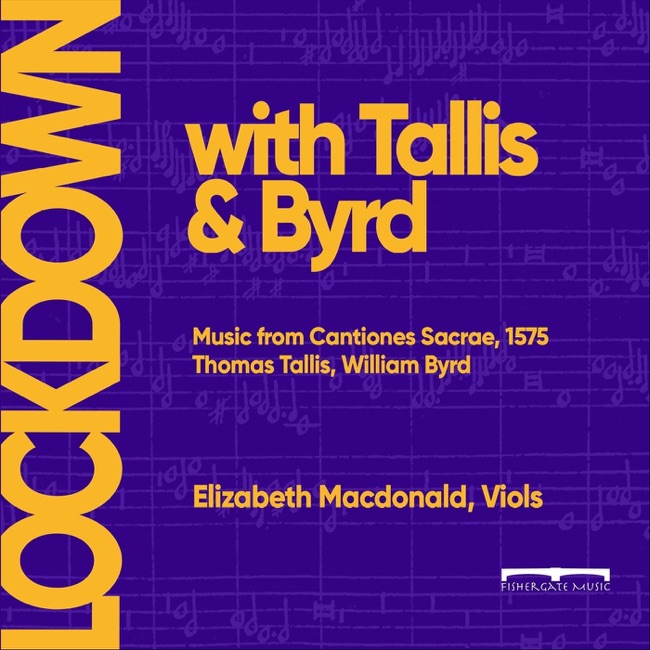
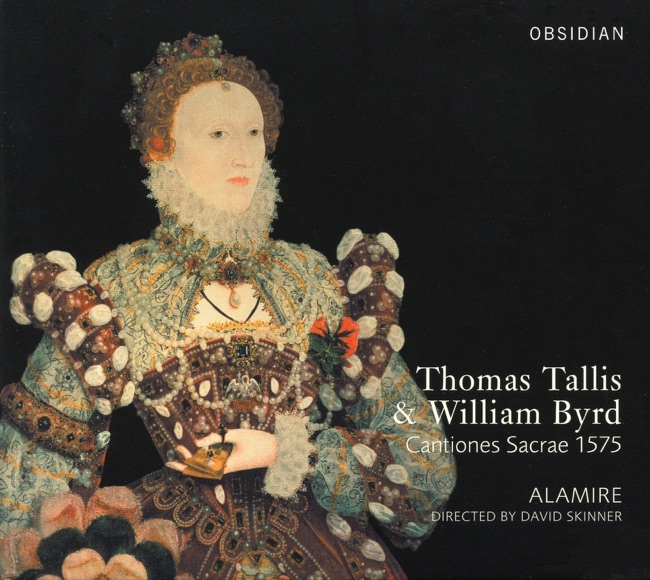
Composer:William ByrdGenre:ChoralStyle:MotetCompose Date:1575Average_duration:5:36William Byrd was a prominent English composer of the Renaissance period, known for his contributions to sacred music. One of his most notable works is the motet "Aspice Domine quia facta est," which was composed in the late 16th century. The motet was likely composed in the 1590s, during a period when Byrd was at the height of his career. It was first performed in the Chapel Royal, and later published in his collection of Gradualia in 1605. The motet is divided into three movements, each of which is characterized by its own unique musical style. The first movement is a solemn and contemplative setting of the text, "Aspice Domine quia facta est desolatio in terra," which translates to "Behold, O Lord, for there is desolation in the land." The music is marked by a slow and mournful tempo, with long, sustained notes and a sense of melancholy. The second movement is a more lively and rhythmic setting of the text, "Facti sunt hostes in loco sancto tuo," which translates to "Enemies have become in your holy place." The music is marked by a faster tempo, with lively rhythms and intricate counterpoint. The final movement returns to the solemn and contemplative mood of the first, with a setting of the text, "Posuerunt morticinia servorum tuorum," which translates to "They have laid waste the bodies of your servants." The music is marked by a slow and mournful tempo, with long, sustained notes and a sense of sadness and mourning. Overall, "Aspice Domine quia facta est" is a powerful and moving work that showcases Byrd's skill as a composer of sacred music. Its three movements offer a range of musical styles and moods, from solemn contemplation to lively rhythms, and demonstrate Byrd's ability to convey complex emotions through his music.More....
Works Music