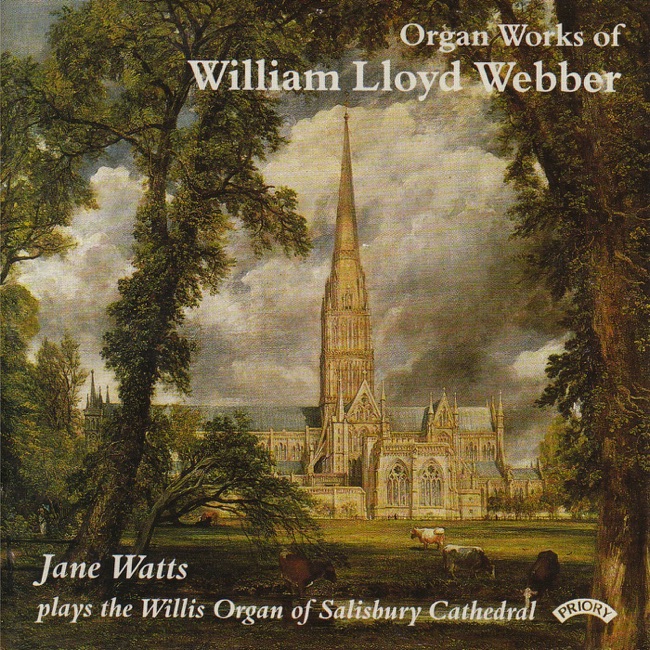
William Lloyd Webber
Prelude for organ
Works Info
Composer:William Lloyd WebberStyle:PreludeAverage_duration:2:51William Lloyd Webber's Prelude for organ is a beautiful and expressive piece of music that was composed in 1934. It was premiered in the same year at St. Michael's Church in Cornhill, London. The piece is divided into three movements, each with its own unique characteristics. The first movement of the Prelude for organ is marked "Allegro moderato" and is characterized by its lively and energetic tempo. The movement begins with a bold and majestic theme that is played by the organ's pedals. This theme is then taken up by the manuals, which play a series of intricate and virtuosic passages. The movement is full of dynamic contrasts, with moments of quiet introspection followed by sudden bursts of sound. The second movement of the Prelude for organ is marked "Adagio" and is much slower and more contemplative than the first. This movement is characterized by its beautiful and expressive melodies, which are played by the organ's manuals. The movement is full of rich harmonies and lush textures, which create a sense of warmth and intimacy. The final movement of the Prelude for organ is marked "Allegro con fuoco" and is characterized by its fiery and passionate tempo. This movement is full of virtuosic passages and intricate rhythms, which create a sense of excitement and energy. The movement builds to a thrilling climax, with the organ's pedals and manuals playing in unison to create a powerful and dramatic effect. Overall, William Lloyd Webber's Prelude for organ is a stunning piece of music that showcases the full range of the organ's capabilities. Its three movements are full of contrasting moods and emotions, from the lively and energetic first movement to the contemplative and introspective second movement, and finally to the fiery and passionate third movement. The piece is a testament to Webber's skill as a composer and his deep understanding of the organ as an instrument.More....