William Cobbold
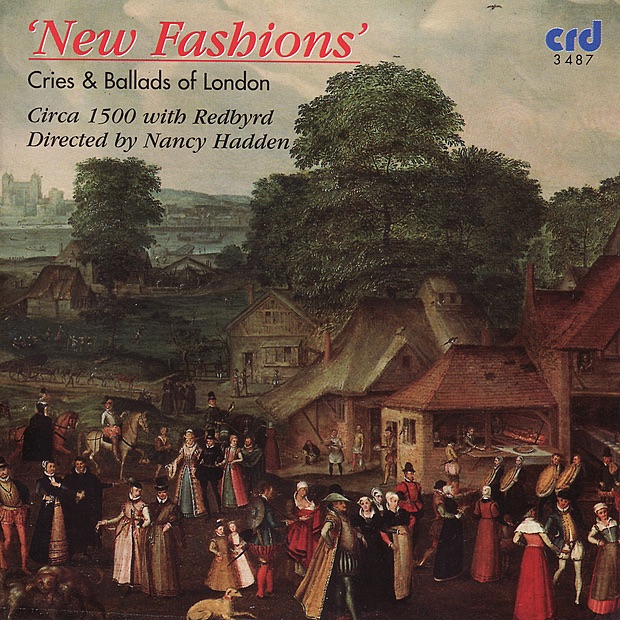
New fashions
Released Album
Recent Album
Featured Album
Works Info
Composer:William CobboldAverage_duration:8:37"New Fashions" is a musical composition by William Cobbold, a British composer who lived during the 18th century. The piece was composed in the year 1760 and was premiered in London, England. It is a work for orchestra and consists of three movements. The first movement of "New Fashions" is marked Allegro and is characterized by its lively and energetic tempo. The movement begins with a bold and assertive theme played by the strings, which is then taken up by the woodwinds and brass. The theme is developed throughout the movement, with each section of the orchestra contributing to its evolution. The movement ends with a triumphant restatement of the main theme. The second movement of "New Fashions" is marked Andante and is much slower in tempo than the first. It is a more introspective and contemplative movement, with a melancholic melody played by the strings. The woodwinds and brass provide a gentle accompaniment, creating a sense of wistfulness and nostalgia. The movement ends quietly, with the strings playing a delicate coda. The third and final movement of "New Fashions" is marked Allegro molto and is the most lively and exuberant of the three. It begins with a playful and syncopated theme played by the woodwinds, which is then taken up by the strings and brass. The movement is characterized by its rhythmic complexity and virtuosic solo passages for various members of the orchestra. The movement ends with a rousing coda, bringing the piece to a thrilling conclusion. Overall, "New Fashions" is a lively and engaging work that showcases Cobbold's skill as a composer. Its three movements offer a range of moods and emotions, from the energetic and triumphant to the introspective and melancholic. The piece is a testament to the rich musical tradition of 18th century England and remains a popular work in the classical repertoire to this day.More....
Works Music
Released Music
Featured Music