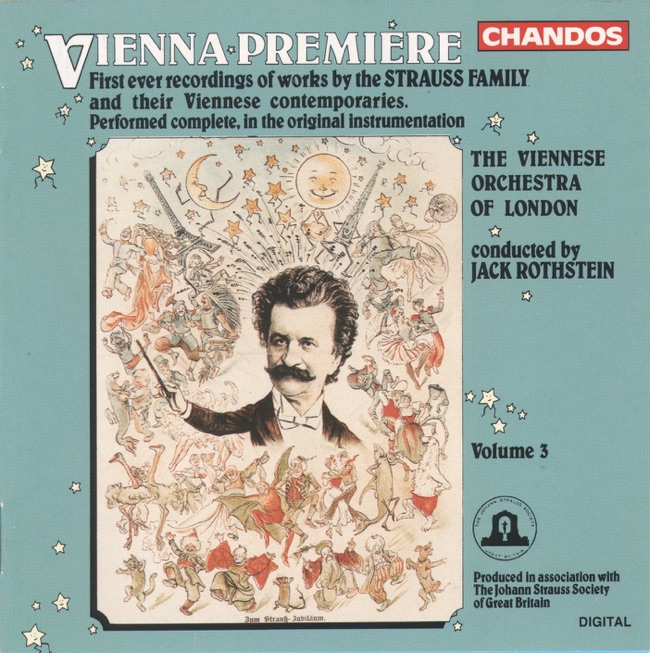
Johann Strauss I
Freiheits-Marsch, Op. 226
Works Info
Composer:Johann Strauss IGenre:OrchestralStyle:MarchCompose Date:1848Average_duration:2:37Freiheits-Marsch, Op. 226 is a march composed by Johann Strauss I, also known as the "Father of the Waltz". The march was composed in 1848, during a time of political upheaval and revolution in Europe. It was premiered on March 13, 1848, at a concert in the Sperl Ballroom in Vienna. The march is divided into three movements, each with its own distinct character. The first movement is marked Allegro con brio and is characterized by its bold and energetic melody. The second movement, marked Andante, is more subdued and features a lyrical melody played by the woodwinds. The final movement, marked Allegro vivace, is a rousing finale that brings the march to a triumphant close. The Freiheits-Marsch is notable for its patriotic and revolutionary themes. The march was composed during a time when many Europeans were fighting for their freedom and independence, and Strauss's music reflects this spirit of rebellion and defiance. The march is also notable for its use of brass and percussion instruments, which give the music a powerful and stirring quality. Overall, the Freiheits-Marsch is a stirring and patriotic piece of music that captures the spirit of revolution and freedom that was sweeping across Europe in the mid-19th century. Its bold melodies and rousing rhythms make it a popular choice for military bands and patriotic celebrations to this day.More....