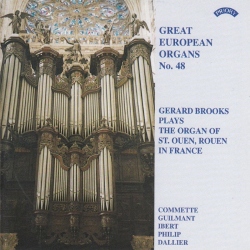
Henri Edouard Dallier
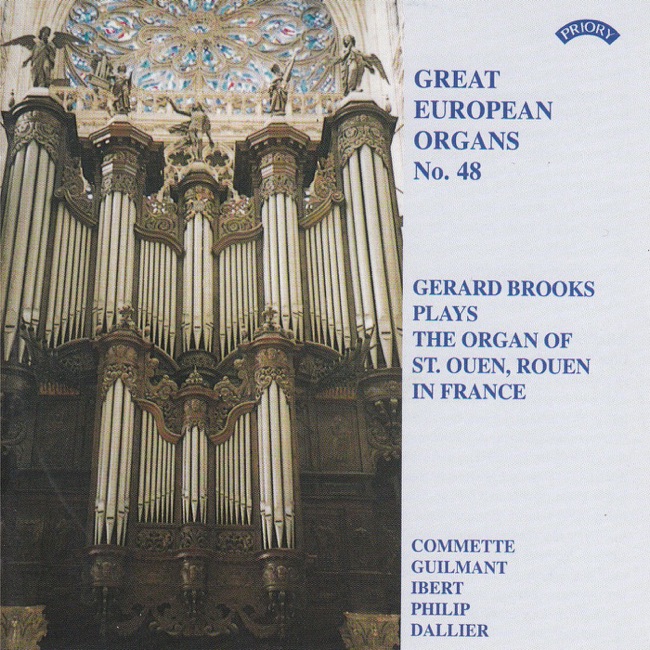
Invocations (5), No. 3, Monstra te esse matrem
Released Album
Recent Album
Works Info
Composer:Henri Edouard DallierGenre:KeyboardStyle:KeyboardCompose Date:1926Average_duration:5:17Henri Edouard Dallier's 'Invocations (5), No. 3, Monstra te esse matrem' is a piece of music that was composed in the early 20th century. It was first premiered in Paris in 1913 and has since become a popular piece of music in the classical repertoire. The piece is part of a larger collection of five invocations, each of which is dedicated to a different religious figure. The third invocation, 'Monstra te esse matrem', is dedicated to the Virgin Mary. The piece is divided into three movements, each of which has its own unique characteristics. The first movement is marked 'Andante sostenuto' and is characterized by a slow, mournful melody that is played by the strings. The second movement is marked 'Allegro moderato' and is more upbeat and lively than the first. It features a faster tempo and a more complex melody that is played by the woodwinds and brass. The third movement is marked 'Andante sostenuto' and is a return to the slow, mournful melody of the first movement. One of the most notable characteristics of 'Monstra te esse matrem' is its use of religious themes and motifs. The piece is filled with references to the Virgin Mary and other religious figures, and the music itself is often described as being deeply spiritual and contemplative. The use of slow, mournful melodies and complex harmonies also adds to the overall sense of reverence and solemnity that is present throughout the piece. Overall, 'Invocations (5), No. 3, Monstra te esse matrem' is a beautiful and moving piece of music that showcases Dallier's skill as a composer. Its use of religious themes and motifs, combined with its complex harmonies and melodies, make it a timeless classic that is still beloved by classical music enthusiasts today.More....
Works Music