Thomas Tallis
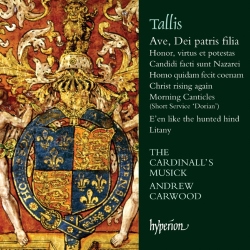
Ave Dei patris filia, P. 162
Released Album
Recent Album
Featured Album
Works Info
Composer:Thomas TallisGenre:ChoralStyle:ChoralAverage_duration:16:09'Ave Dei patris filia, P. 162' is a sacred choral work composed by Thomas Tallis, one of the most prominent English composers of the Renaissance period. The piece was likely composed in the 1570s, during the reign of Queen Elizabeth I, and was first performed in a religious setting. The work is divided into three movements, each of which is characterized by its use of polyphony and intricate harmonies. The first movement begins with a solemn and reverent melody, which is then taken up by the other voices in turn. The second movement is more lively and energetic, with a faster tempo and more complex rhythms. The final movement returns to the solemnity of the first, with a slower tempo and a more contemplative mood. One of the most notable characteristics of 'Ave Dei patris filia' is its use of polyphony, which was a hallmark of Tallis's style. Polyphony refers to the use of multiple independent melodies or voices, which are combined to create a complex and harmonically rich texture. Tallis was a master of this technique, and his works are known for their intricate and beautiful harmonies. Another characteristic of 'Ave Dei patris filia' is its use of Latin text, which was common in sacred choral music of the Renaissance period. The text of the piece is a hymn to the Virgin Mary, and it is sung in praise of her role as the daughter of God the Father. Overall, 'Ave Dei patris filia, P. 162' is a beautiful and complex work of sacred choral music, which showcases Tallis's mastery of polyphony and his ability to create intricate and harmonically rich textures. Its use of Latin text and its solemn and reverent mood make it a fitting piece for religious settings, and it remains a beloved work of Renaissance choral music to this day.More....
Works Music
Released Music
Featured Music