Johann Sebastian Bach
Canon á 2 perpetuus, BWV 1075
Released Album
Recent Album
Works Info
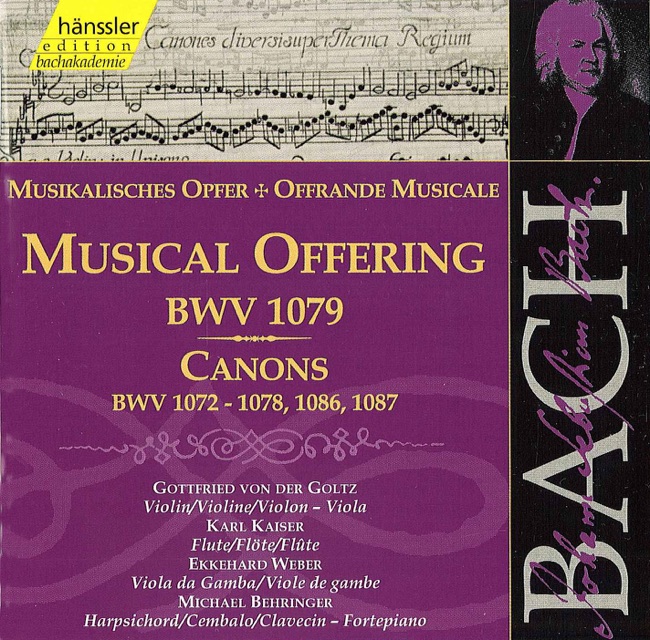
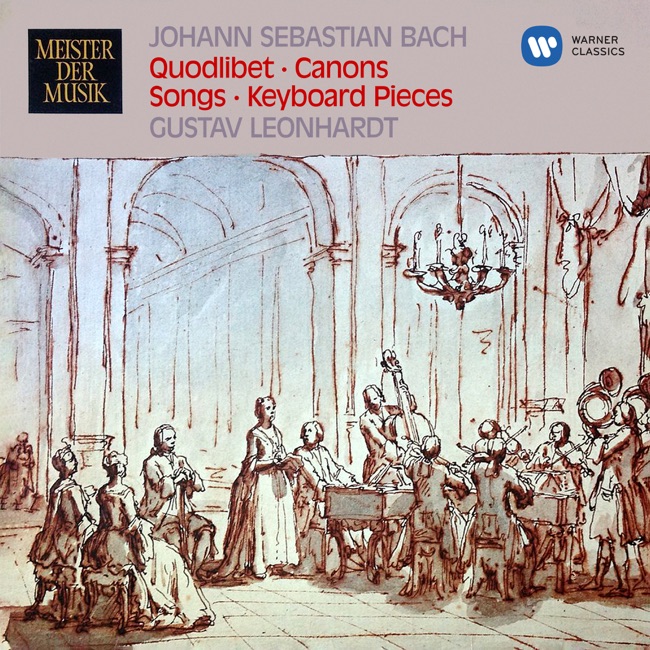
Composer:Johann Sebastian BachGenre:MiscellaneousStyle:CanonCompose Date:Jan 10, 1734Publication Date:1974Average_duration:0:59Johann Sebastian Bach's 'Canon á 2 perpetuus, BWV 1075' is a musical composition that was composed in the early 18th century. The exact date of its composition is unknown, but it is believed to have been written sometime between 1730 and 1740. The piece was not premiered during Bach's lifetime, and it was not published until the 20th century. The 'Canon á 2 perpetuus' is a canon, which is a type of musical composition in which a melody is imitated by one or more voices at a fixed interval. In this case, the canon is written for two voices, and the melody is repeated perpetually throughout the piece. The canon is also known as a "perpetual canon" or a "round." The 'Canon á 2 perpetuus' is divided into three movements. The first movement is in the key of D major and is marked "Andante." The second movement is in the key of G major and is marked "Adagio." The third movement is in the key of A major and is marked "Allegro." The characteristics of the 'Canon á 2 perpetuus' include its use of counterpoint, which is the art of combining two or more melodies in a way that is harmonically and rhythmically interesting. The canon also features a simple, yet elegant melody that is repeated throughout the piece. The use of the perpetual canon technique creates a sense of continuity and unity throughout the composition. Overall, the 'Canon á 2 perpetuus, BWV 1075' is a beautiful and intricate piece of music that showcases Bach's mastery of counterpoint and his ability to create complex yet harmonious compositions. Despite its relatively unknown status, the 'Canon á 2 perpetuus' is a testament to Bach's enduring legacy as one of the greatest composers of all time.More....
Works Music