Gregorian Chant
Stabat Mater dolorosa
Released Album
Recent Album
Works Info
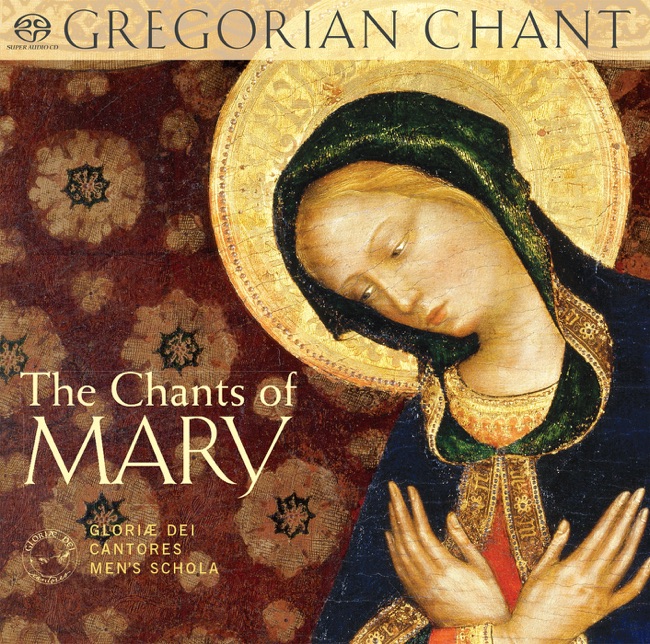
Composer:Gregorian ChantGenre:ChoralStyle:SequenceAverage_duration:4:04The "Stabat Mater dolorosa" is a hymn that dates back to the 13th century and is attributed to Jacopone da Todi, an Italian Franciscan friar. The hymn is a meditation on the suffering of Mary, the mother of Jesus, as she stood at the foot of the cross during the crucifixion. The hymn has been set to music by many composers throughout history, including Gregorian Chant. The Gregorian Chant version of the "Stabat Mater dolorosa" is a monophonic chant that is sung in Latin. It is typically performed by a choir of male voices, although it can also be sung by a soloist. The chant is divided into 20 verses, each of which is sung to the same melody. The chant is characterized by its simple, yet powerful melody and its solemn, mournful tone. The "Stabat Mater dolorosa" is typically performed during Holy Week, particularly on Good Friday. It is often sung as part of a larger liturgical service, such as the Stations of the Cross or the Tenebrae service. The chant is also frequently performed in concert settings, particularly by choirs specializing in Gregorian Chant. The "Stabat Mater dolorosa" is divided into three movements. The first movement, which consists of the first 10 verses of the hymn, focuses on Mary's grief and sorrow as she watches her son die on the cross. The second movement, which consists of verses 11-15, shifts the focus to the suffering of Jesus on the cross. The final movement, which consists of verses 16-20, returns to Mary's grief and ends with a prayer for her intercession. Overall, the "Stabat Mater dolorosa" is a powerful and moving hymn that has been a staple of Christian liturgy and music for centuries. Its simple melody and solemn tone make it a fitting tribute to the suffering of Mary and Jesus on the cross.More....