Codex Calixtinus Anonymous
Dum esset
Released Album
Recent Album
Works Info
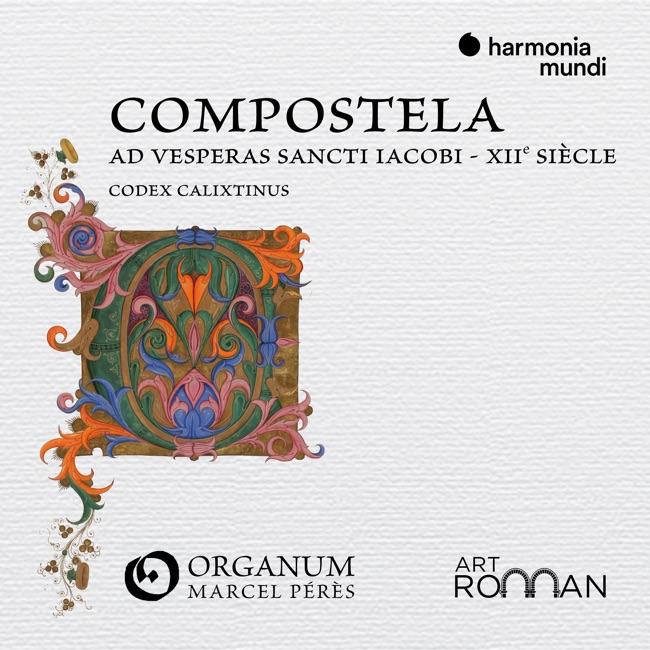
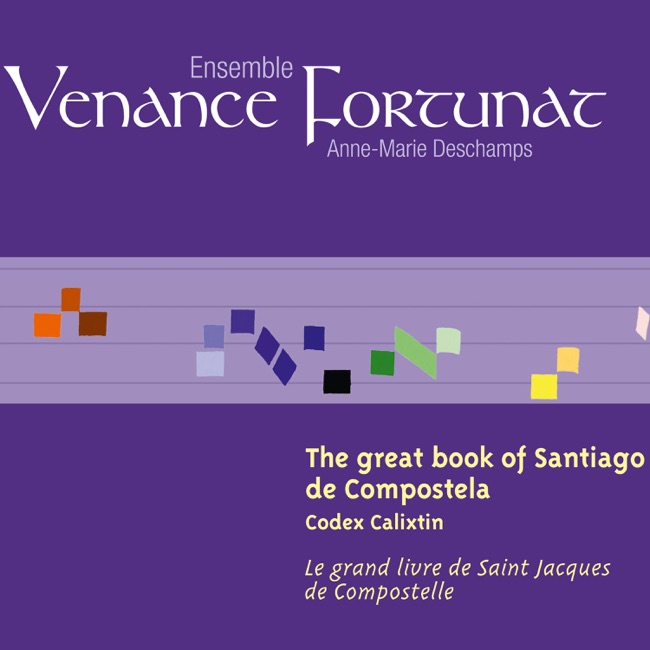
Composer:Codex Calixtinus AnonymousAverage_duration:6:47"Dum esset" is a medieval chant composed by an anonymous composer, found in the Codex Calixtinus, a manuscript from the 12th century. The Codex Calixtinus is a collection of music and texts related to the pilgrimage to Santiago de Compostela, a popular destination for Christian pilgrims during the Middle Ages. The manuscript contains a variety of musical genres, including hymns, sequences, and tropes, as well as liturgical texts and historical accounts. The exact date of composition of "Dum esset" is unknown, but it is believed to have been written in the 12th century, around the same time as the Codex Calixtinus itself. The piece is a monophonic chant, meaning that it is sung by a single voice without accompaniment. It is written in Latin, the language of the Catholic Church, and is intended for use in the liturgy. "Dum esset" is divided into three movements, each with its own distinct character. The first movement is slow and contemplative, with a simple melody that rises and falls in a gentle arc. The second movement is more lively, with a faster tempo and a more complex melody that features a number of ornamental flourishes. The third movement returns to the slower tempo of the first, but with a more elaborate melody that builds to a climax before resolving into a peaceful conclusion. The characteristics of "Dum esset" reflect the musical style of the time in which it was composed. The piece is characterized by its simplicity and clarity, with a melody that is easy to sing and remember. At the same time, it features a number of ornamental flourishes that add interest and complexity to the music. The use of Latin reflects the importance of the Catholic Church in medieval society, and the piece's inclusion in the Codex Calixtinus speaks to its significance as a piece of music for use in the liturgy. Overall, "Dum esset" is a beautiful example of medieval chant, with a timeless quality that continues to resonate with listeners today. Its inclusion in the Codex Calixtinus ensures that it will be preserved for future generations to enjoy and appreciate.More....
Works Music