Franz Liszt
Hymne de la nuit, S. 172a/2
Released Album
Recent Album
Works Info
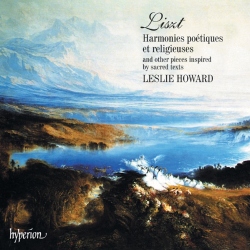
Composer:Franz LisztGenre:KeyboardStyle:HymnCompose Date:1847Publication Date:1997Average_duration:6:54Franz Liszt's "Hymne de la nuit, S. 172a/2" is a piece for solo piano that was composed in 1848. It is the second movement of his "Harmonies poétiques et religieuses" (Poetic and Religious Harmonies), a collection of ten pieces that were inspired by the poetry of Alphonse de Lamartine. The premiere of "Hymne de la nuit" took place in Paris in 1853, with Liszt himself performing the piece. It is a slow and contemplative piece that is characterized by its use of rich harmonies and expressive melodies. The piece is divided into three sections, each of which is marked by a change in tempo and mood. The first section is marked "Andante amoroso" (lovingly slow) and is characterized by a gentle melody that is played in the right hand over a simple accompaniment in the left hand. The second section is marked "Poco più mosso" (a little more movement) and is more dramatic, with a faster tempo and more complex harmonies. The final section is marked "Andante" (slowly) and returns to the gentle mood of the opening, with the melody played in the left hand and the right hand providing a delicate accompaniment. One of the most striking characteristics of "Hymne de la nuit" is its use of harmony. Liszt employs a wide range of chords and chord progressions, often using chromaticism and unexpected modulations to create a sense of tension and release. The piece also features Liszt's signature use of thematic transformation, in which a single melody is developed and transformed throughout the piece. Overall, "Hymne de la nuit" is a beautiful and introspective piece that showcases Liszt's mastery of harmony and melody. Its contemplative mood and expressive melodies make it a favorite among pianists and audiences alike.More....