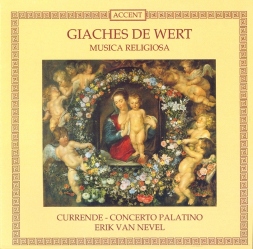
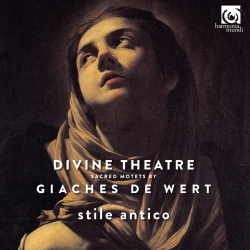
Giaches de Wert
Vox in rama audita est, W xiii 81
Released Album
Recent Album
Featured Album
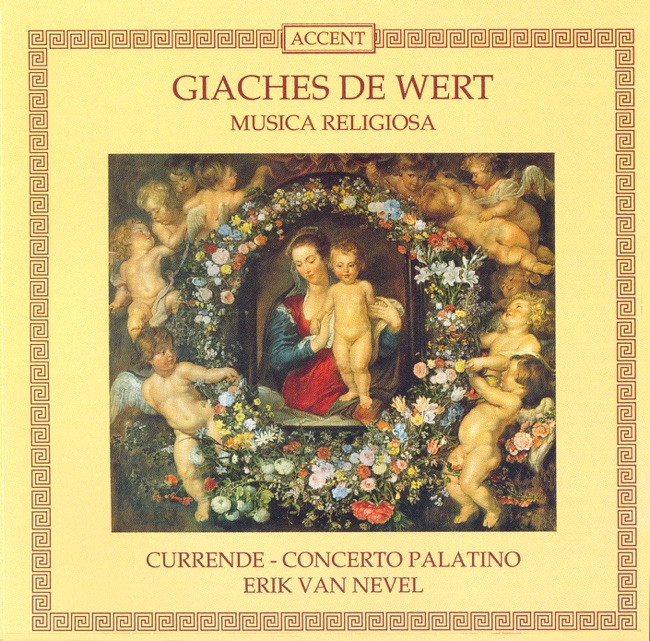
Works Info
Composer:Giaches de WertGenre:VocalStyle:Part SongCompose Date:1581Average_duration:4:12'Vox in rama audita est' is a sacred motet composed by Giaches de Wert, an Italian composer of the late Renaissance period. The piece was composed in the late 16th century, around 1581, and was premiered in Mantua, Italy. The motet is written for six voices, with two sopranos, two altos, and two basses. It is divided into three movements, each with its own distinct character and musical style. The first movement is marked "Adagio" and is characterized by its somber and mournful tone. The second movement is marked "Allegro" and is more lively and energetic, with a sense of urgency and intensity. The final movement is marked "Adagio" and returns to the mournful tone of the first movement, bringing the piece to a solemn and contemplative close. The text of the motet is taken from the Gospel of Matthew, specifically the passage in which Herod orders the massacre of the innocents in Bethlehem. The text reads, "A voice was heard in Ramah, lamentation, and bitter weeping; Rachel weeping for her children refused to be comforted for her children, because they were not." The text is set to music in a way that emphasizes the emotional weight of the words, with the mournful and somber tone of the first and third movements reflecting the sadness and grief of the text, while the more energetic second movement captures the urgency and desperation of the situation. Overall, 'Vox in rama audita est' is a powerful and moving piece of music that showcases de Wert's skill as a composer. Its use of contrasting musical styles and emotional tones, combined with its poignant text, make it a standout work of the late Renaissance period.More....
Works Music
Released Music
1
3:4
2
4:21
3
5:13
Featured Music