Heitor Villa-Lobos
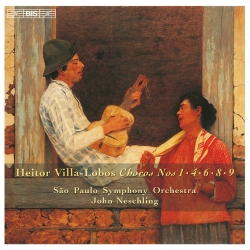
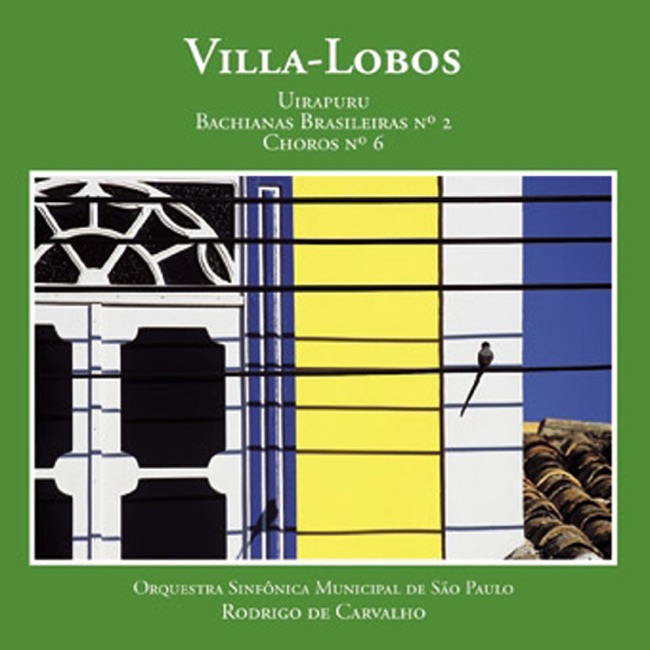
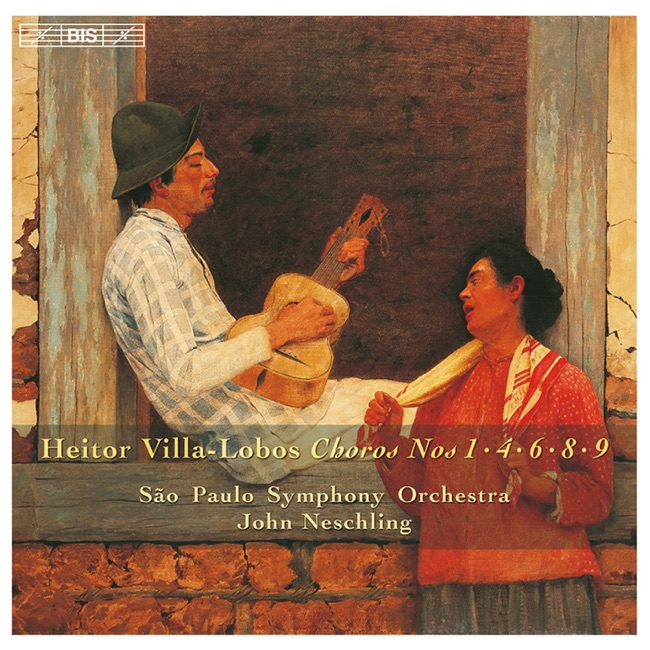
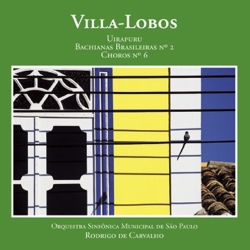
Chôros No. 6, A. 219
Released Album
Recent Album
Featured Album
Works Info
Composer:Heitor Villa-LobosGenre:OrchestralStyle:OrchestralCompose Date:1926Average_duration:25:16Chôros No. 6, A. 219 is a composition by Brazilian composer Heitor Villa-Lobos. It was composed in 1926 and premiered in Rio de Janeiro in the same year. The piece is divided into three movements and is scored for a large ensemble of wind and percussion instruments, including flutes, oboes, clarinets, bassoons, horns, trumpets, trombones, tuba, timpani, and a variety of percussion instruments. The first movement, marked "Lent," begins with a slow, mournful melody played by the horns and bassoons. This melody is then taken up by the other instruments, building to a climax before subsiding into a quieter section featuring a solo clarinet. The movement ends with a return to the opening melody, played softly by the horns. The second movement, marked "Très animé," is a lively dance in a fast 6/8 meter. The melody is passed around the different sections of the ensemble, with the percussion instruments providing a driving rhythm. The movement ends with a sudden, unexpected chord. The final movement, marked "Modéré," is a slow, contemplative piece featuring a solo oboe. The melody is simple and lyrical, with the other instruments providing a gentle accompaniment. The movement builds to a climax before subsiding into a quiet coda. Chôros No. 6 is characteristic of Villa-Lobos's style, which blends elements of Brazilian folk music with European classical music. The use of a large ensemble of wind and percussion instruments is also typical of his chôros compositions. The piece is notable for its use of complex rhythms and harmonies, as well as its emotional intensity. Overall, Chôros No. 6 is a powerful and evocative work that showcases Villa-Lobos's unique musical voice.More....
Works Music
Released Music
Featured Music