Luis de Milán
Pavana for lute No. 1 del primero y segundo tono
Released Album
Recent Album

Works Info
Composer:Luis de MilánGenre:ChamberAverage_duration:1:45Luis de Milán was a Spanish composer and vihuelist who lived during the Renaissance period. He is known for his contribution to the development of instrumental music in Spain. One of his most famous works is the "Pavana for lute No. 1 del primero y segundo tono," which was composed in the early 16th century. The "Pavana for lute No. 1 del primero y segundo tono" is a piece of music that is written for the lute, a plucked string instrument that was popular during the Renaissance period. The piece is composed in the form of a pavana, which is a slow, stately dance that was popular in Europe during the 16th century. The "Pavana for lute No. 1 del primero y segundo tono" is divided into two movements, each of which is written in a different tono, or mode. The first movement is written in the primero tono, which is a mode that is characterized by its bright and cheerful sound. The second movement is written in the segundo tono, which is a mode that is characterized by its more somber and melancholic sound. The first movement of the "Pavana for lute No. 1 del primero y segundo tono" is marked by its lively and upbeat rhythm. The melody is played in a series of short, staccato notes that give the piece a sense of energy and movement. The second movement, on the other hand, is much slower and more contemplative. The melody is played in a series of long, sustained notes that create a sense of sadness and introspection. Overall, the "Pavana for lute No. 1 del primero y segundo tono" is a beautiful and evocative piece of music that showcases Luis de Milán's skill as a composer and vihuelist. Its use of different tonos and its contrasting movements make it a complex and interesting piece that is still enjoyed by musicians and audiences today.More....
Works Music
Released Music
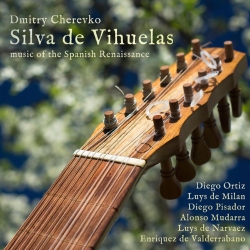
2
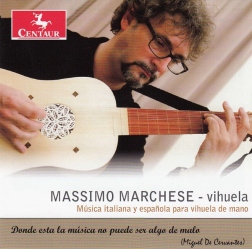
Pavana for lute No. 1 of the first and second tone
Pavana del primero y segundo tono La bella Francesquina
2:3
3

1:22