Codex Las Huelgas Anonymous
In virgulto gracie
Released Album
Featured Album
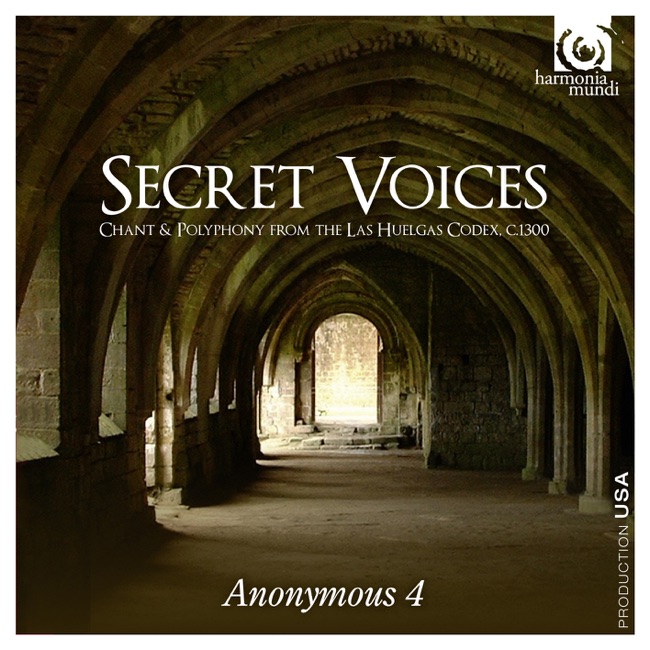
Works Info
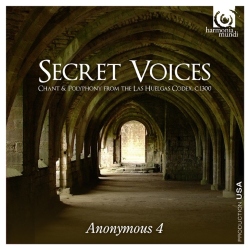
Composer:Codex Las Huelgas AnonymousGenre:ChoralStyle:ConductusAverage_duration:2:36In virgulto gracie is a medieval composition that was anonymously composed and found in the Codex Las Huelgas, a manuscript that dates back to the 14th century. The piece is believed to have been written in the 13th century and is considered one of the most significant works of the Codex Las Huelgas. The composition is a three-voice motet that is written in Latin. It is believed to have been composed for the Virgin Mary, and the text is a prayer to her. The piece is divided into three movements, each with its own distinct character. The first movement is a monophonic chant that is sung by a solo voice. It is a simple and solemn melody that sets the tone for the rest of the piece. The second movement is a polyphonic section that features two voices. The two voices sing different texts simultaneously, creating a complex and intricate texture. The third movement is a return to the monophonic chant of the first movement, but this time it is sung by all three voices together. The characteristics of In virgulto gracie are typical of medieval music. The piece is written in a modal style, which means that it uses a system of scales and modes that were common in medieval music. The melody is often based on a Gregorian chant, which was the primary source of musical inspiration during this time period. The use of polyphony, or multiple voices singing different parts, is also a hallmark of medieval music. In conclusion, In virgulto gracie is a significant work of medieval music that showcases the modal style and polyphonic textures that were common during this time period. The piece is a beautiful and solemn prayer to the Virgin Mary, and its three movements each have their own distinct character.More....
Works Music
Featured Music