


Gioachino Rossini
Ariette à l'ancienne (Péchés de vieillesse, book 3), QR v/69
Released Album
Recent Album
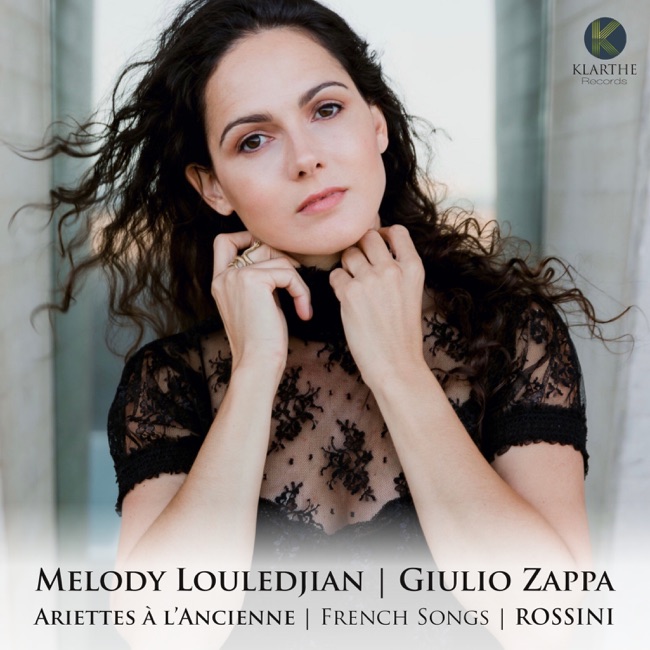
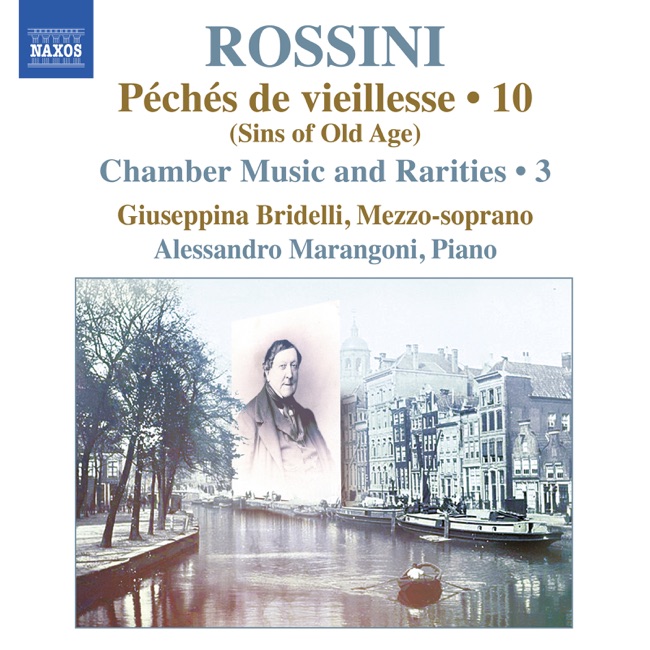
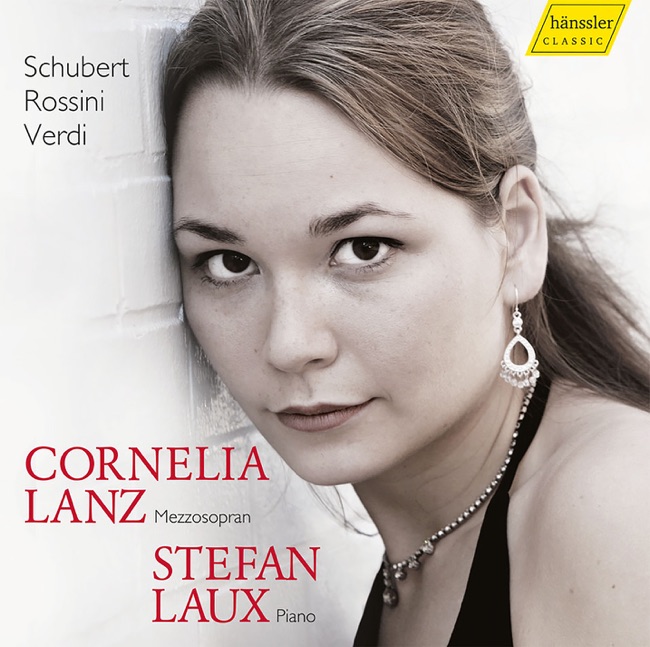
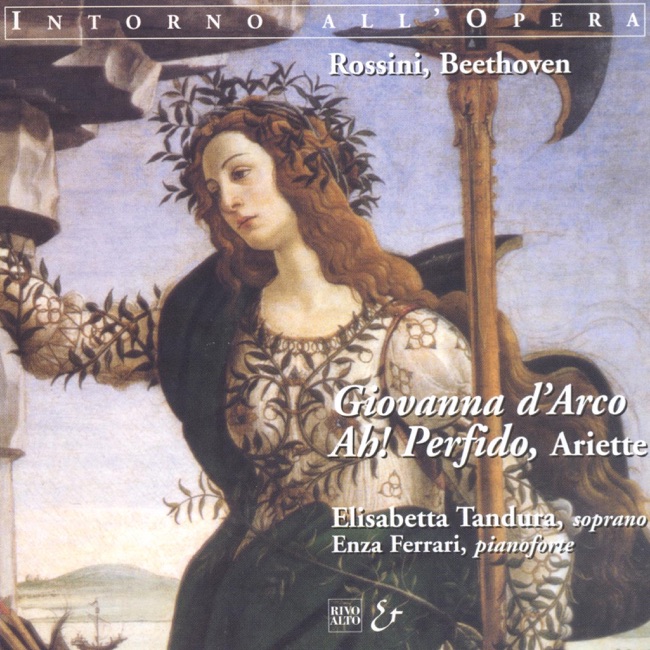
Works Info
Composer:Gioachino RossiniGenre:VocalStyle:SongAverage_duration:2:26Gioachino Rossini's "Ariette à l'ancienne" is a vocal piece that belongs to the third book of his "Péchés de vieillesse" (Sins of Old Age) collection. The piece was composed in 1857, and it premiered in Paris in the same year. The collection of "Péchés de vieillesse" was a series of works that Rossini composed in his later years, after he had retired from composing operas. The collection includes a variety of genres, including vocal and instrumental music. "Ariette à l'ancienne" is a solo vocal piece that is accompanied by piano. The piece is divided into two movements, with the first movement being in a slow tempo and the second movement being in a faster tempo. The first movement is marked "Andante con moto," and it features a lyrical melody that is sung by the soloist. The piano accompaniment is relatively simple, with gentle arpeggios and chords that support the vocal line. The second movement is marked "Allegro vivace," and it features a more lively and energetic melody. The piano accompaniment is more complex in this movement, with fast runs and arpeggios that provide a lively backdrop for the vocal line. The characteristics of "Ariette à l'ancienne" reflect Rossini's style as a composer. The piece is characterized by its lyrical melodies, elegant harmonies, and virtuosic piano accompaniment. The vocal line is expressive and emotive, with a range of dynamics and phrasing that allow the soloist to convey a range of emotions. The piano accompaniment is also expressive, with a range of textures and colors that complement the vocal line. Overall, "Ariette à l'ancienne" is a beautiful example of Rossini's late style, and it showcases his mastery of vocal and instrumental music.More....
Works Music
Released Music
1
2:44
4
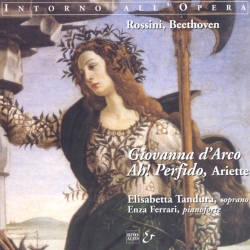
2:12
5
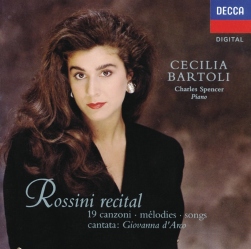
2:42