


English Virginal Anonymous
Barafostus' Dreame (No. 18 from the Fitzwilliam Virginal Book)
Released Album
Recent Album
Works Info
Composer:English Virginal AnonymousGenre:KeyboardAverage_duration:2:39"Barafostus' Dreame" is a piece of music that was composed by an anonymous English virginalist. It is the 18th piece in the Fitzwilliam Virginal Book, a collection of keyboard music from the late Renaissance and early Baroque periods. The exact date of composition is unknown, but it is believed to have been written in the late 16th or early 17th century. The piece is divided into three movements, each with its own distinct character. The first movement is slow and contemplative, with a melancholy melody that is played over a simple accompaniment. The second movement is faster and more lively, with a playful melody that is accompanied by a lively bass line. The third movement is slower and more introspective, with a haunting melody that is played over a simple accompaniment. One of the most striking characteristics of "Barafostus' Dreame" is its use of dissonance. The piece is full of unexpected harmonies and clashes of notes, which give it a sense of tension and unease. This use of dissonance was a common feature of Renaissance and Baroque music, and was often used to create a sense of drama and emotional intensity. Another notable feature of the piece is its use of ornamentation. The melody is often embellished with trills, turns, and other decorative flourishes, which add to its complexity and beauty. These ornaments were a common feature of keyboard music in the Renaissance and Baroque periods, and were often used to showcase the virtuosity of the performer. "Barafostus' Dreame" premiered in the late 16th or early 17th century, and has since become a beloved piece of keyboard music. Its haunting melodies, intricate ornamentation, and use of dissonance make it a fascinating and rewarding piece to study and perform.More....
Works Music
Released Music
1
2:39
3
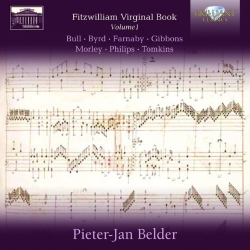
Barafostus' Dreame (No. 18 from the Fitzwilliam Virginal Book)
Barafostus' Dreame (Fitzwilliam Virginal Book XVIII)
2:39