William Child
Magnificat in E minor
Released Album
Recent Album
Works Info
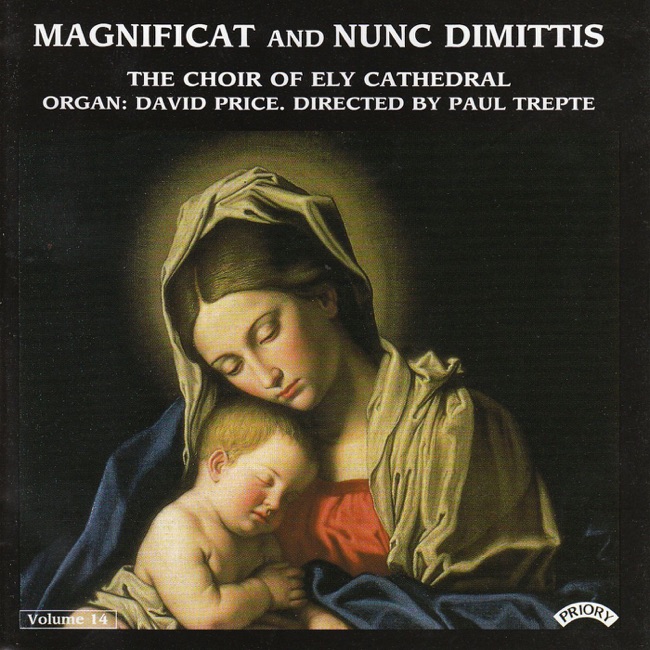
Composer:William ChildStyle:MagnificatAverage_duration:3:29William Child's Magnificat in E minor is a choral work that was composed in the 17th century. It was first performed in 1677 at St. George's Chapel in Windsor Castle, England. The Magnificat is a hymn of praise to the Virgin Mary, and it is traditionally sung during the evening prayer service in the Christian liturgy. The Magnificat in E minor is divided into five movements, each of which is based on a different section of the hymn. The first movement is a choral setting of the opening lines of the Magnificat, "My soul doth magnify the Lord." The second movement is a duet for alto and tenor voices, which sets the text "For he hath regarded the lowliness of his handmaiden." The third movement is a choral setting of the text "And his mercy is on them that fear him." The fourth movement is a duet for soprano and bass voices, which sets the text "He hath put down the mighty from their seat." The final movement is a choral setting of the closing lines of the Magnificat, "As it was in the beginning, is now, and ever shall be, world without end. Amen." The Magnificat in E minor is characterized by its rich harmonies and expressive melodies. The choral sections are often homophonic, with all voices singing the same melody at the same time. The duets, on the other hand, are more contrapuntal, with the voices weaving in and out of each other in intricate patterns. The work also features a variety of textures, from the full choir singing in unison to the solo voices singing alone. Overall, the Magnificat in E minor is a beautiful and expressive work that showcases William Child's skill as a composer. Its timeless message of praise and thanksgiving to God has made it a beloved piece of choral music that is still performed today.More....
Works Music