Peter Warlock
The Singer
Released Album
Recent Album


Featured Album
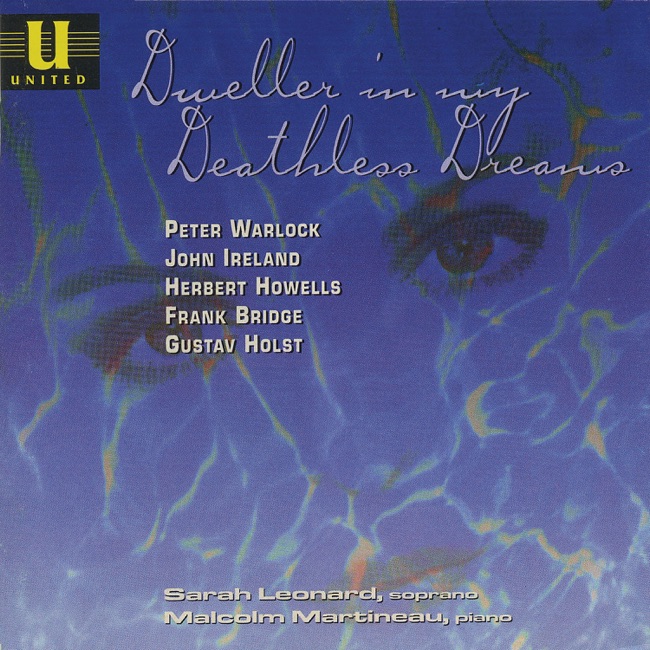
Works Info
Composer:Peter WarlockGenre:VocalStyle:Vocal MusicCompose Date:1919Average_duration:1:27Peter Warlock's "The Singer" is a song cycle composed in 1928 for voice and piano. The cycle consists of six movements, each with its own unique character and mood. The premiere of the work was given by the tenor Steuart Wilson and the composer himself at the piano in London on May 16, 1928. The first movement, "The Singer," sets the tone for the cycle with its melancholic and introspective mood. The piano accompaniment is sparse and haunting, allowing the voice to take center stage. The text, written by Warlock himself, speaks of the loneliness and isolation that often accompanies the life of a performer. The second movement, "The Night," is a stark contrast to the first. The piano accompaniment is lively and energetic, evoking the bustling nightlife of a city. The text, by Hilaire Belloc, describes the excitement and danger of the night, with the singer's voice soaring above the piano. The third movement, "The Sea," is a beautiful and evocative setting of a poem by James Joyce. The piano accompaniment is fluid and undulating, mimicking the ebb and flow of the ocean. The singer's voice is at times gentle and soothing, and at other times powerful and commanding. The fourth movement, "The Queen's Face on the Coin," is a playful and whimsical setting of a poem by Walter de la Mare. The piano accompaniment is light and bouncy, and the singer's voice is full of character and charm. The text speaks of the power and influence of the queen, even when her image is reduced to a mere coin. The fifth movement, "The Cloths of Heaven," is a tender and romantic setting of a poem by W.B. Yeats. The piano accompaniment is gentle and delicate, and the singer's voice is full of longing and passion. The text speaks of the singer's desire to give the world to his beloved, even if it means sacrificing his own dreams and aspirations. The final movement, "The First Mercy," is a powerful and emotional setting of a poem by Wilfred Owen. The piano accompaniment is dark and brooding, and the singer's voice is full of anguish and despair. The text speaks of the horrors of war and the need for mercy and compassion in a world torn apart by violence and hatred. Overall, "The Singer" is a stunning example of Warlock's skill as a composer and his ability to capture a wide range of emotions and moods in his music. The cycle is a testament to the power of the human voice and the ability of music to convey complex emotions and ideas.More....
Works Music
Released Music


Featured Music