Manuel Cardoso
Sitivit anima mea
Released Album
Recent Album

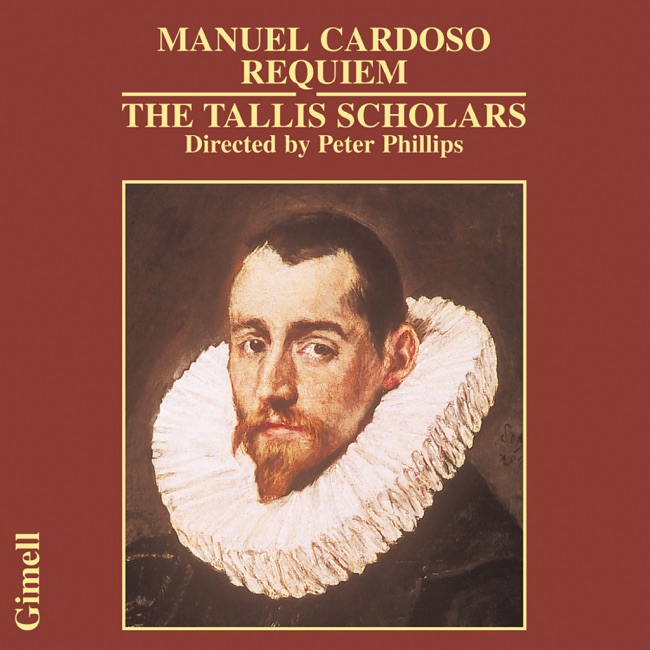
Featured Album
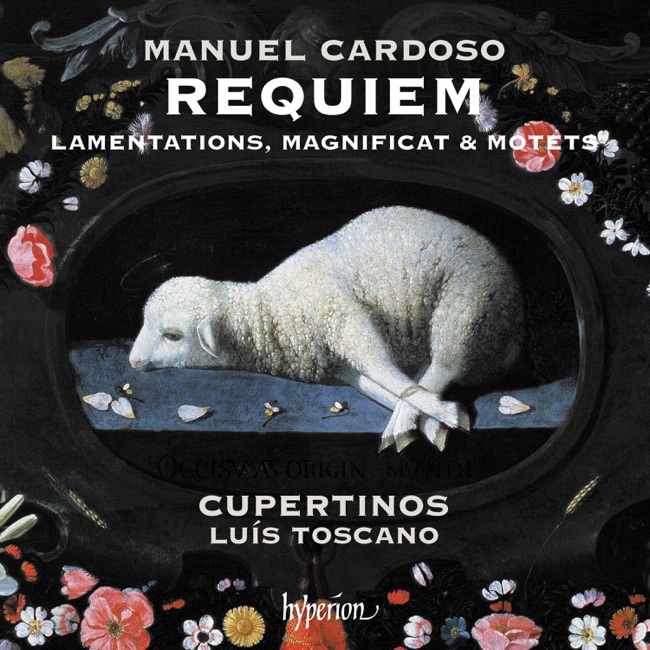
Works Info
Composer:Manuel CardosoGenre:ChoralStyle:MotetAverage_duration:4:05"Sitivit anima mea" is a sacred choral work composed by Manuel Cardoso, a Portuguese composer of the late Renaissance period. The piece was composed in the early 17th century, around 1625, and was first performed in the Royal Chapel of Lisbon. The work is divided into three movements, each of which is characterized by its own unique musical style and structure. The first movement is a setting of the text "Sitivit anima mea ad Deum vivum" (My soul thirsts for the living God), and is written in a polyphonic style with multiple vocal parts weaving in and out of each other. The second movement is a setting of the text "Quando veniam et apparebo ante faciem tuam" (When I come and appear before your face), and is written in a more homophonic style, with the voices singing in unison for much of the piece. The final movement is a setting of the text "Ego clamavi ad te, Domine" (I have cried out to you, Lord), and is written in a more complex polyphonic style, with the voices interweaving in intricate patterns. The overall character of the piece is one of deep religious devotion and contemplation. The text of each movement is taken from the Psalms, and the music is designed to reflect the emotional and spiritual content of the words. The use of polyphony and complex vocal harmonies creates a sense of depth and richness, while the occasional use of homophonic textures provides moments of clarity and simplicity. Overall, "Sitivit anima mea" is a masterful example of Renaissance choral music, showcasing the skill and artistry of Manuel Cardoso as a composer. Its premiere in the Royal Chapel of Lisbon would have been a powerful and moving experience for those in attendance, and its enduring popularity today is a testament to its enduring beauty and emotional power.More....
Works Music
Released Music
1
4:18
Featured Music