Johannes Ockeghem
Missa "Au travail suis"
Released Album
Recent Album
Works Info
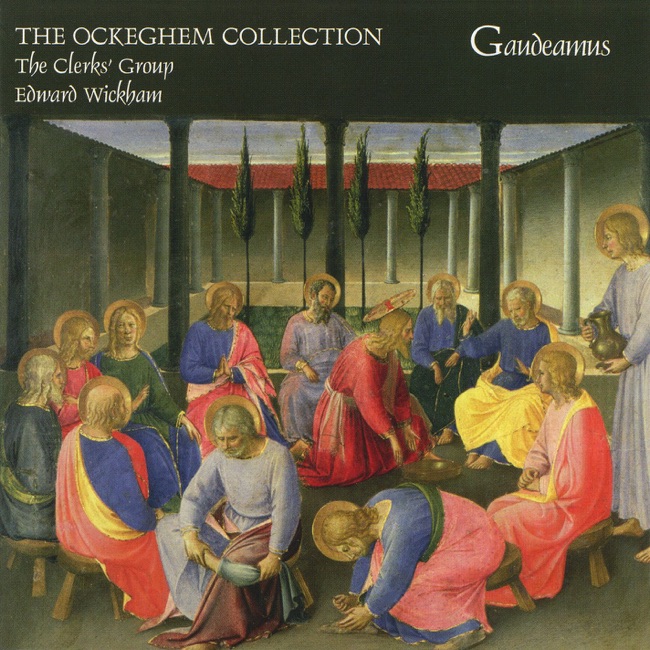
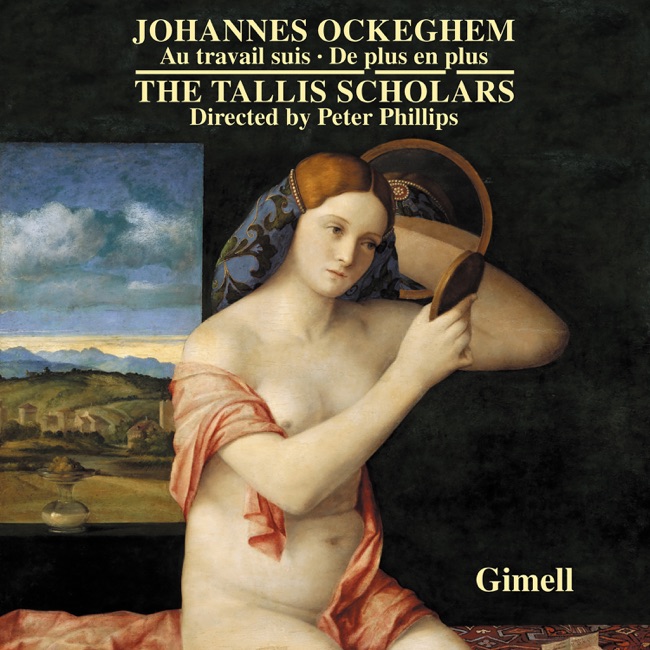
Composer:Johannes OckeghemGenre:ChoralStyle:MassCompose Date:before 1470Average_duration:20:18Movement_count:6Movement ....Johannes Ockeghem's 'Missa Au travail suis' is a polyphonic mass composed in the late 15th century. The exact date of composition is unknown, but it is believed to have been written between 1460 and 1497. The mass was likely composed for the chapel of the Duke of Bourbon, where Ockeghem was employed as a singer and composer. The 'Missa Au travail suis' is written for four voices, with the tenor voice carrying the cantus firmus, or fixed melody, throughout the mass. The mass is divided into six movements: Kyrie, Gloria, Credo, Sanctus, Agnus Dei I, and Agnus Dei II. Each movement is characterized by Ockeghem's use of complex polyphony, with each voice weaving in and out of the others to create a rich and intricate tapestry of sound. One of the most notable characteristics of the 'Missa Au travail suis' is its use of imitation. Ockeghem frequently employs imitation between the voices, with one voice introducing a melody that is then echoed by the other voices in turn. This creates a sense of unity and coherence throughout the mass, as well as highlighting Ockeghem's skill as a composer. Another characteristic of the 'Missa Au travail suis' is its use of dissonance. Ockeghem frequently employs dissonant harmonies and unexpected chord progressions, which create a sense of tension and release throughout the mass. This use of dissonance was a hallmark of Ockeghem's style, and would go on to influence later composers such as Josquin des Prez and Palestrina. The 'Missa Au travail suis' premiered in the late 15th century, likely in the chapel of the Duke of Bourbon. It quickly became popular among musicians and composers of the time, and was widely performed throughout Europe. Today, it is considered one of Ockeghem's most important works, and a masterpiece of Renaissance polyphony.More....
Works Music
Released Music