Kenneth Leighton
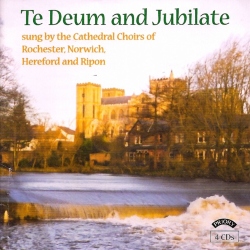
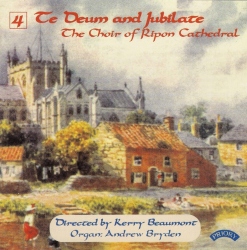
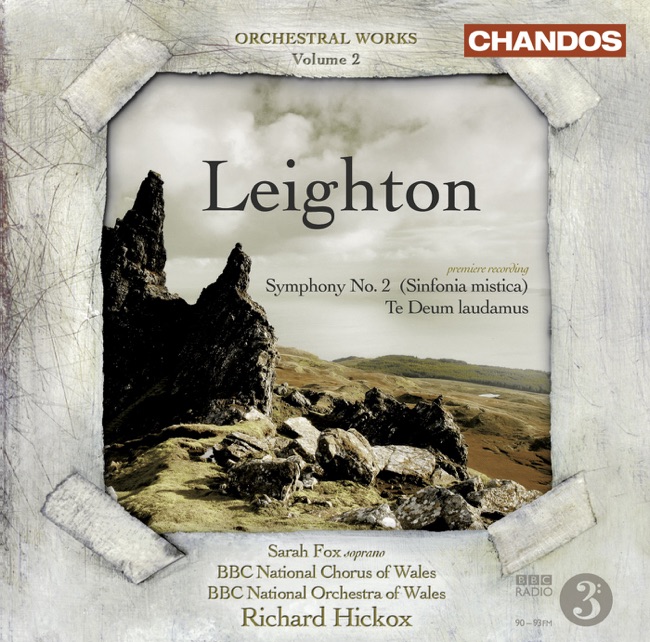
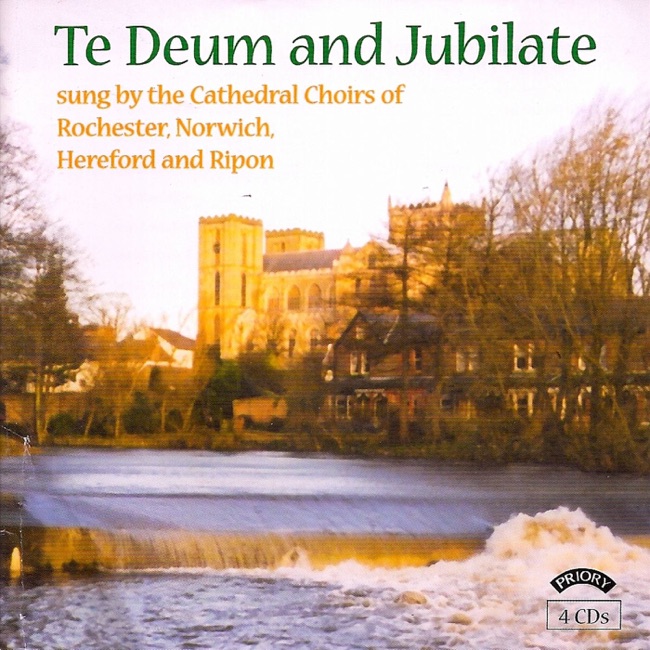
Te Deum Laudamus "St. Cecilia"
Released Album
Recent Album
Works Info
Composer:Kenneth LeightonGenre:ChoralStyle:ChoralCompose Date:1964Average_duration:9:13Kenneth Leighton's 'Te Deum Laudamus St. Cecilia' is a choral work that was composed in 1964. It was premiered on November 22, 1964, at St. Paul's Cathedral in London, England. The piece is divided into six movements, each with its own unique characteristics. The first movement, marked 'Allegro con brio,' is a lively and energetic opening that sets the tone for the rest of the piece. The choir sings the words "Te Deum laudamus" (We praise thee, O God) in a joyful and celebratory manner. The second movement, marked 'Andante sostenuto,' is a more reflective and introspective section. The choir sings the words "Te gloriosus apostolorum chorus" (The glorious choir of apostles) in a more subdued and contemplative manner. The third movement, marked 'Allegro vivace,' is a fast and lively section that features a fugue-like texture. The choir sings the words "Te per orbem terrarum sancta confitetur Ecclesia" (The holy Church throughout the world doth acknowledge thee) in a complex and intricate manner. The fourth movement, marked 'Andante con moto,' is a slower and more expressive section. The choir sings the words "Tu Rex gloriae, Christe" (Thou, O Christ, art the King of glory) in a reverent and worshipful manner. The fifth movement, marked 'Allegro moderato,' is a more upbeat and joyful section. The choir sings the words "Tu ad liberandum suscepturus hominem" (Thou, when thou tookest upon thee to deliver man) in a lively and celebratory manner. The final movement, marked 'Allegro con fuoco,' is a triumphant and exultant section. The choir sings the words "In te, Domine, speravi" (In thee, O Lord, have I trusted) in a powerful and majestic manner. Overall, 'Te Deum Laudamus St. Cecilia' is a complex and intricate choral work that showcases Kenneth Leighton's skill as a composer. The piece is characterized by its lively and celebratory tone, as well as its intricate and complex textures. It is a fitting tribute to St. Cecilia, the patron saint of music, and a testament to the power and beauty of choral music.More....
Works Music
Released Music
1
8:46