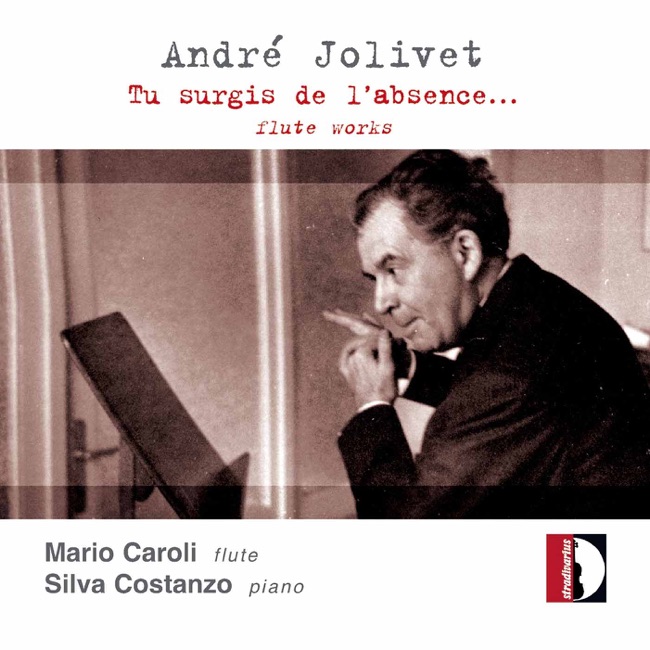
André Jolivet
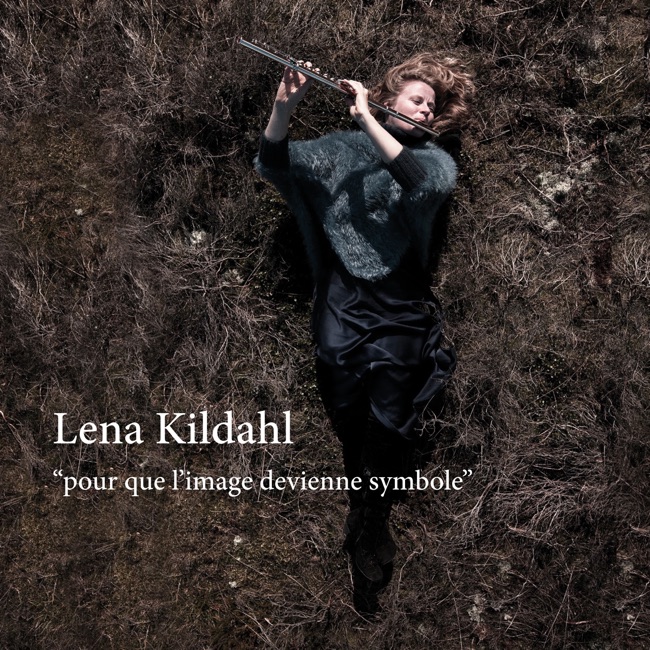
Pour que l'image devienne symbole
Released Album
Recent Album
Works Info
Composer:André JolivetGenre:ChamberStyle:SonataAverage_duration:3:11'Pour que l'image devienne symbole' is a composition by French composer André Jolivet. It was composed in 1960 and premiered on May 12, 1961, at the Théâtre des Champs-Élysées in Paris. The piece is divided into three movements and is scored for a large orchestra. The first movement, titled "L'Image," begins with a slow and mysterious introduction featuring the strings and woodwinds. The music gradually builds in intensity, with the brass and percussion joining in to create a powerful climax. The middle section of the movement features a solo violin, which plays a haunting melody over a bed of shimmering strings. The movement ends with a return to the opening material, but this time with added brass and percussion. The second movement, titled "Le Symbole," is a lively and rhythmic scherzo. The music is characterized by its use of irregular meters and syncopated rhythms, which give it a playful and energetic feel. The movement features several solo passages, including a virtuosic clarinet solo and a lively duet between the flute and oboe. The final movement, titled "La Réalité," is the longest and most complex of the three. It begins with a slow and somber introduction, featuring the low strings and brass. The music gradually builds in intensity, with the addition of the woodwinds and percussion. The middle section of the movement features a series of contrasting episodes, including a lyrical solo for the horn and a frenzied passage for the entire orchestra. The movement ends with a return to the opening material, but this time with added brass and percussion, building to a powerful and dramatic conclusion. Overall, 'Pour que l'image devienne symbole' is a complex and challenging work, showcasing Jolivet's mastery of orchestration and his ability to create powerful and evocative musical landscapes. The piece is characterized by its use of contrasting textures and rhythms, as well as its bold and dramatic orchestration. It remains a popular work in the contemporary orchestral repertoire.More....
Works Music