Manuel Saumell
La niña bonita
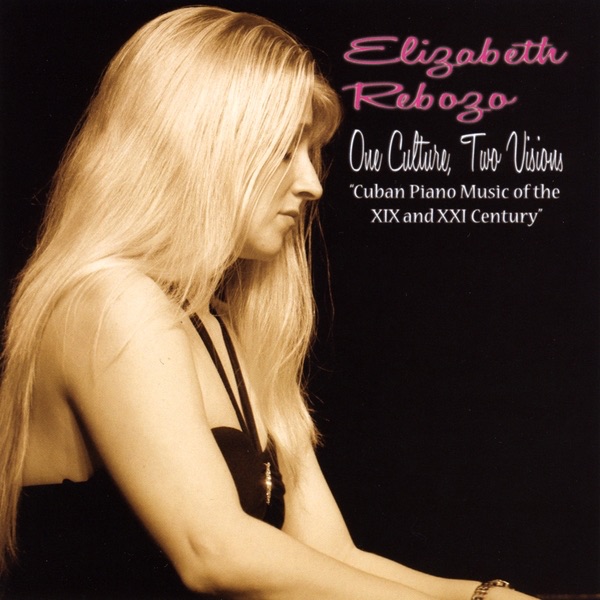
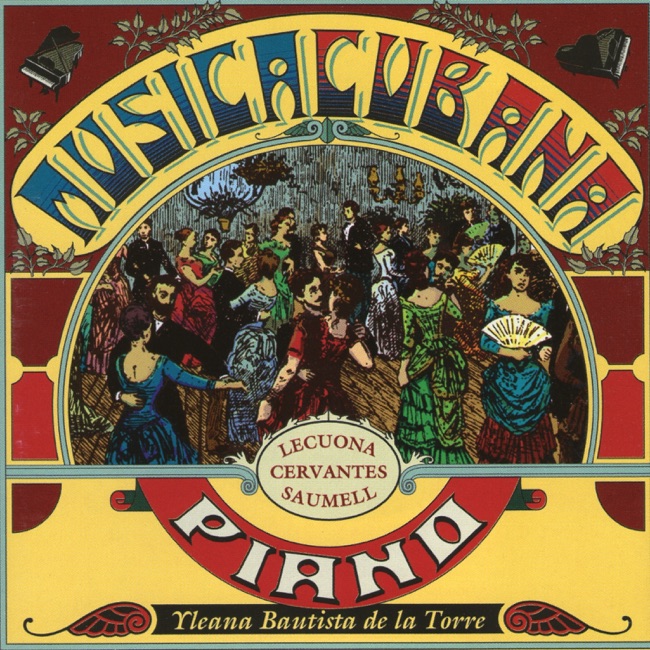
Released Album
Recent Album
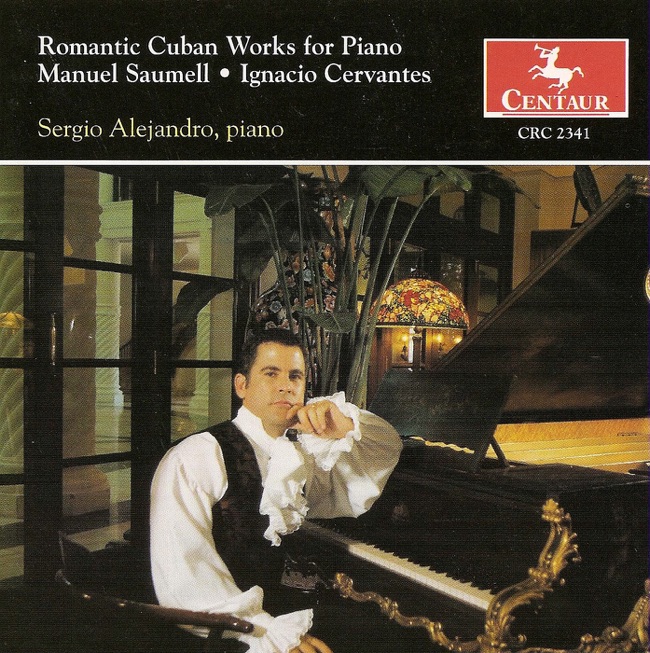
Works Info
Composer:Manuel SaumellGenre:KeyboardStyle:KeyboardAverage_duration:1:56"La niña bonita" is a popular Cuban danzón composed by Manuel Saumell in the 19th century. The exact date of its composition is unknown, but it is believed to have been written in the 1880s. The piece was first premiered in Havana, Cuba, and quickly became a favorite among dancers and musicians alike. The composition consists of three movements, each with its own distinct character. The first movement is a slow and graceful introduction, featuring a simple melody played by the flute and accompanied by the piano. The second movement is the main theme of the piece, characterized by a lively and syncopated rhythm played by the percussion and brass sections. This section is where the dancers would typically begin to move, with the music encouraging a playful and flirtatious style of dancing. The third movement is a return to the slower tempo of the first movement, with a more complex and intricate melody played by the piano and flute. One of the most notable characteristics of "La niña bonita" is its use of syncopation, a rhythmic technique that emphasizes off-beat accents. This gives the piece a lively and energetic feel, and is a hallmark of the danzón style. The composition also features a strong influence from African rhythms, which were brought to Cuba by enslaved people during the colonial period. Overall, "La niña bonita" is a classic example of the Cuban danzón, a genre of music and dance that emerged in the late 19th century and became a popular cultural expression throughout the Caribbean and Latin America. Its catchy melody and infectious rhythm have made it a beloved piece of music for generations, and it continues to be performed and enjoyed by musicians and dancers around the world.More....