Max Bruch
Odysseus, Op. 41
Released Album
Recent Album

Works Info
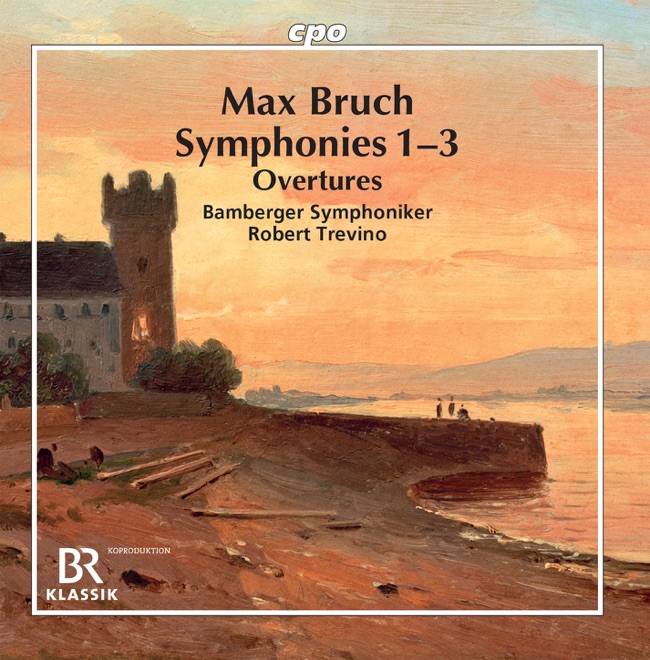
Composer:Max BruchGenre:ChoralStyle:ChoralPublication Date:1872Average_duration:106:28Odysseus, Op. 41 is a symphonic poem composed by Max Bruch in 1872. It premiered on March 21, 1874, in Liverpool, England, conducted by Julius Benedict. The piece is divided into four movements, each representing a different episode in the story of Odysseus, the legendary Greek hero. The first movement, titled "The Departure from Troy," begins with a slow and mournful introduction, representing the sorrowful departure of Odysseus and his men from the ruins of Troy. The music gradually builds in intensity, representing the excitement and anticipation of the journey ahead. The movement features a prominent horn solo, representing the call of adventure. The second movement, "The Island of Circe," is more atmospheric and mysterious. It begins with a haunting melody played by the woodwinds, representing the enchantress Circe and her magical powers. The music becomes more frenzied as Odysseus and his men are transformed into pigs by Circe's spell. The movement ends with a triumphant theme, representing Odysseus' victory over Circe and his return to human form. The third movement, "The Sirens," is perhaps the most famous of the four. It begins with a gentle and seductive melody played by the harp, representing the alluring song of the Sirens. The music becomes more frenzied as Odysseus and his men struggle to resist the temptation of the Sirens' song. The movement ends with a triumphant theme, representing Odysseus' victory over the Sirens and his continued journey home. The final movement, "The Return to Ithaca," is the longest and most complex of the four. It begins with a slow and mournful theme, representing Odysseus' longing for home. The music becomes more intense as he battles the suitors who have taken over his home in his absence. The movement features a prominent violin solo, representing the steadfastness and determination of Odysseus. The piece ends with a triumphant theme, representing his ultimate victory and his reunion with his wife and son. Overall, Odysseus, Op. 41 is a powerful and evocative piece of music, capturing the drama and adventure of one of the most famous stories in Greek mythology. Bruch's use of orchestration and melody is masterful, creating a vivid and emotional musical journey for the listener.More....
Works Music
Released Music