Giovanni Gabrieli
Regina coeli laetare
Released Album
Recent Album
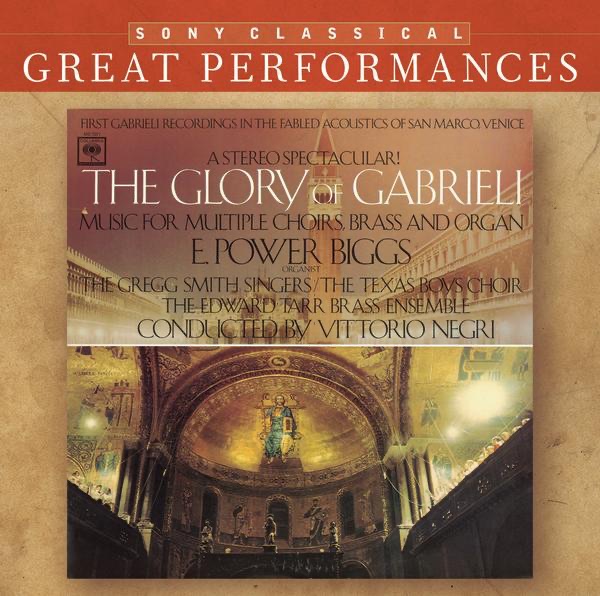
Featured Album
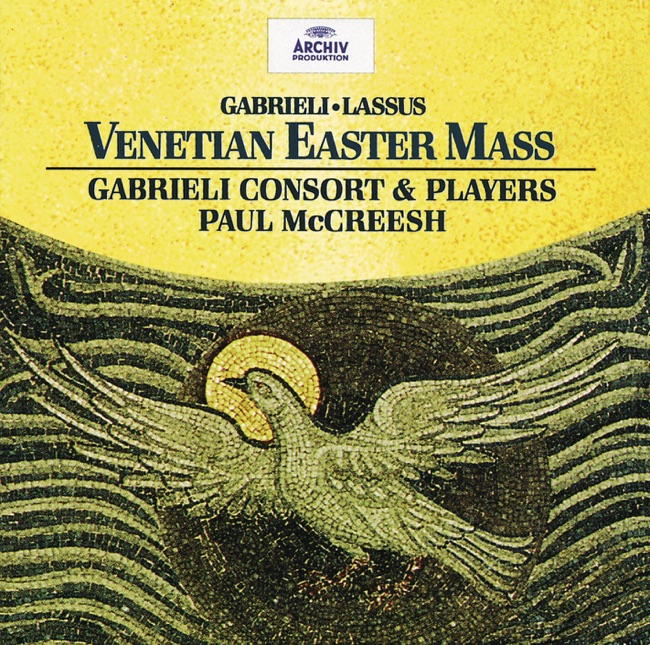
Works Info
Composer:Giovanni GabrieliGenre:ChoralStyle:MotetPublication Date:1597Average_duration:2:08Giovanni Gabrieli was an Italian composer and organist of the late Renaissance and early Baroque periods. He was born in Venice in 1557 and died in 1612. Gabrieli was known for his innovative use of multiple choirs and instrumental groups, which he used to create a rich and complex sound. One of Gabrieli's most famous works is the motet "Regina coeli laetare," which was composed in the late 16th century. The piece is a setting of the Marian antiphon "Regina coeli," which is traditionally sung during the Easter season. "Regina coeli laetare" is written for eight voices, divided into two choirs. The first choir consists of two soprano voices, two alto voices, and a tenor voice. The second choir consists of two alto voices, a tenor voice, and a bass voice. The piece is scored for two cornetts, three trombones, and basso continuo. The motet is divided into three movements. The first movement is a joyful and exuberant setting of the antiphon text, "Regina coeli laetare, alleluia." The second movement is a more contemplative setting of the text, "Quia quem meruisti portare, alleluia." The third movement returns to the joyful mood of the first movement, with a setting of the text, "Resurrexit sicut dixit, alleluia." One of the characteristics of Gabrieli's music is his use of antiphonal choirs and instrumental groups. In "Regina coeli laetare," he uses the two choirs and the brass and continuo groups to create a rich and complex sound. The piece also features Gabrieli's use of polychoral techniques, in which the two choirs sing and play in alternation or together. "Regina coeli laetare" was premiered in Venice, likely at the Basilica di San Marco, where Gabrieli was the organist. The piece has since become a staple of the choral and brass repertoire, and is still performed and recorded today.More....
Works Music