Saverio Mercadante
Flute Concerto in G major
Released Album
Recent Album
Works Info
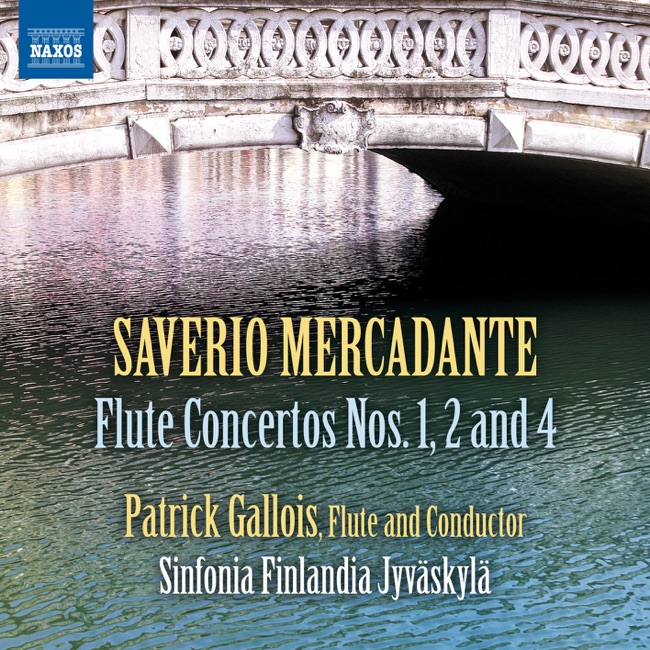
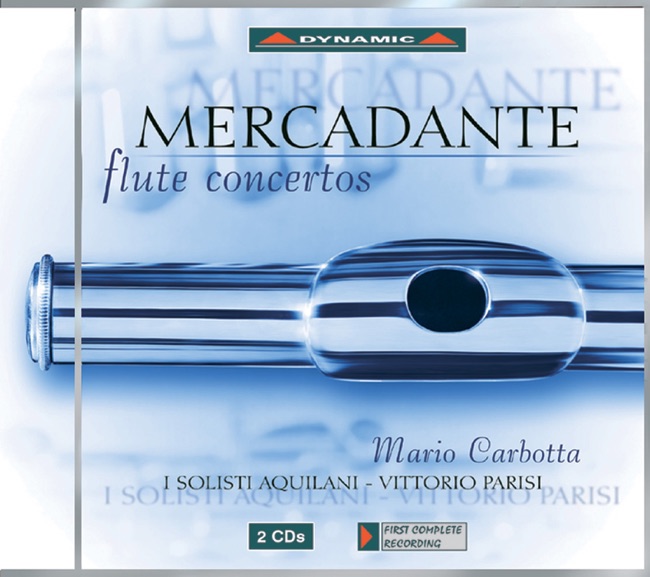
Composer:Saverio MercadanteGenre:ConcertoStyle:ConcertoAverage_duration:18:07Movement_count:3Movement ....Saverio Mercadante's Flute Concerto in G major was composed in the early 19th century, around 1813. The concerto was premiered in Naples, Italy, and quickly became a popular piece among flutists. The concerto is divided into three movements: Allegro maestoso, Adagio, and Rondo. The first movement, Allegro maestoso, is characterized by its lively and energetic tempo. The flute opens the movement with a virtuosic solo, which is then echoed by the orchestra. The movement features a number of technical challenges for the soloist, including rapid runs and arpeggios. The orchestra provides a lively accompaniment, with the strings and woodwinds providing a bright and cheerful backdrop for the soloist. The second movement, Adagio, is a slow and lyrical piece that showcases the flute's expressive capabilities. The movement begins with a simple melody played by the flute, which is then taken up by the orchestra. The soloist then performs a series of variations on the theme, demonstrating their ability to shape and mold the music to their own interpretation. The movement is characterized by its gentle and flowing melody, which is supported by the orchestra's delicate accompaniment. The final movement, Rondo, is a lively and playful piece that brings the concerto to a joyful conclusion. The movement features a catchy and memorable theme that is repeated throughout, with the soloist performing a number of variations on the melody. The orchestra provides a lively and energetic accompaniment, with the strings and woodwinds providing a bright and cheerful backdrop for the soloist. Overall, Mercadante's Flute Concerto in G major is a delightful and engaging piece that showcases the flute's technical and expressive capabilities. The concerto is characterized by its lively and energetic tempo, its lyrical and expressive second movement, and its playful and joyful final movement. It remains a popular piece among flutists to this day, and is frequently performed in concert halls around the world.More....