Franz Liszt
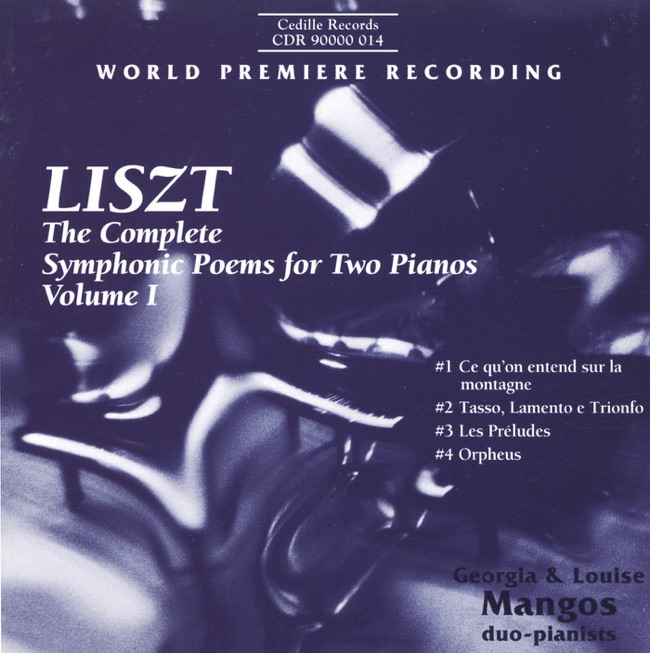
Tasso: Lamento e Trionfo, symphonic poem for 2 pianos, S. 636
Released Album
Recent Album

Works Info
Composer:Franz LisztGenre:KeyboardStyle:RequiemCompose Date:1854 - 1856Publication Date:1856Average_duration:17:52Franz Liszt's 'Tasso: Lamento e Trionfo' is a symphonic poem for two pianos, composed in 1849. The piece is based on the life of the Italian poet Torquato Tasso, who lived in the 16th century. The premiere of the piece took place in Weimar, Germany, in 1851. The piece is divided into three movements, each of which represents a different aspect of Tasso's life. The first movement, 'Lamento', is a mournful and melancholic piece that represents Tasso's struggles with mental illness and his time spent in a mental institution. The movement is characterized by its use of chromaticism and dissonance, which create a sense of unease and tension. The second movement, 'Fantasia', is a more upbeat and lively piece that represents Tasso's creative genius and his ability to write beautiful poetry. The movement is characterized by its use of virtuosic piano writing and its fast-paced, energetic rhythms. The final movement, 'Trionfo', is a triumphant and celebratory piece that represents Tasso's eventual release from the mental institution and his return to society. The movement is characterized by its use of grand, sweeping melodies and its powerful, majestic chords. Overall, 'Tasso: Lamento e Trionfo' is a complex and emotionally charged piece that showcases Liszt's mastery of the piano and his ability to tell a compelling musical story. The piece is a testament to the power of music to convey deep emotions and to capture the essence of a historical figure's life and struggles.More....
Works Music