Johann Georg Pisendel
Sonata for violin & continuo in E minor
Released Album
Recent Album
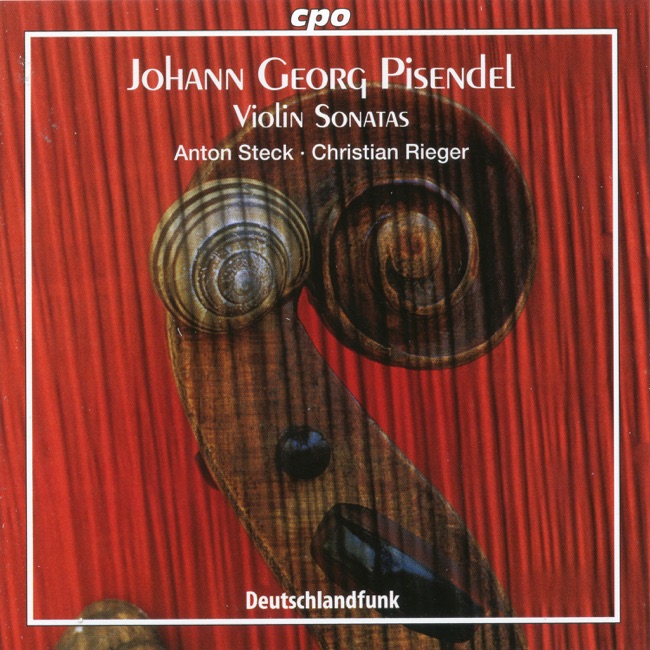
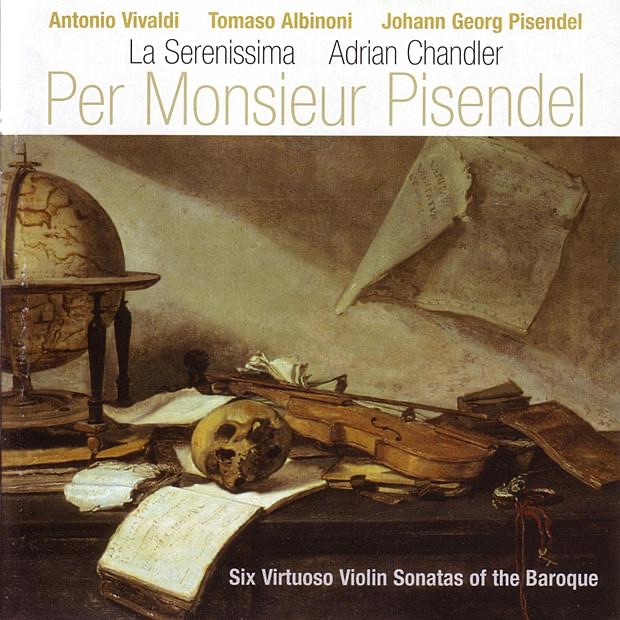
Works Info
Composer:Johann Georg PisendelGenre:ChamberStyle:Chamber MusicAverage_duration:10:47Movement_count:4Movement ....Johann Georg Pisendel's Sonata for violin & continuo in E minor was composed in the early 18th century. The exact date of composition is unknown, but it is believed to have been written between 1717 and 1725. The sonata was premiered in Dresden, where Pisendel was a member of the court orchestra. The sonata consists of four movements: Adagio, Allegro, Adagio, and Allegro. The first movement, Adagio, is a slow and expressive introduction that sets the tone for the rest of the piece. The second movement, Allegro, is a lively and energetic dance that showcases the virtuosity of the violinist. The third movement, Adagio, is another slow and expressive section that provides a contrast to the previous movement. The final movement, Allegro, is a fast and lively dance that brings the sonata to a thrilling conclusion. The Sonata for violin & continuo in E minor is a prime example of the Baroque style of music. It features a solo violin accompanied by a continuo, which is typically a harpsichord or a cello. The sonata is characterized by its use of ornamentation, such as trills and turns, which were common in Baroque music. The piece also features a strong sense of rhythm and a clear harmonic structure. Pisendel was a highly respected violinist and composer during his time, and his Sonata for violin & continuo in E minor is a testament to his skill and talent. The sonata is a challenging piece for the violinist, requiring technical proficiency and a deep understanding of Baroque style. It remains a popular piece in the violin repertoire and is frequently performed in concerts and recitals.More....
Works Music
Released Music