


André Campra
Énée et Didon
Released Album
Recent Album
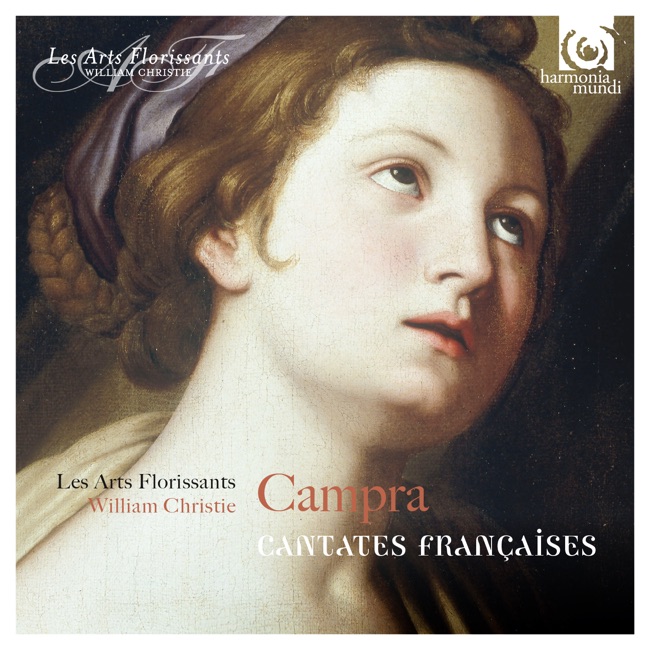
Featured Album
Works Info
Composer:André CampraGenre:ChoralStyle:CantataAverage_duration:15:24André Campra's 'Énée et Didon' is a tragédie lyrique in five acts, composed in 1693. It premiered at the Paris Opéra on November 7, 1697, and was an instant success. The libretto was written by Antoine Danchet, based on Virgil's Aeneid. The opera is divided into five acts, each with its own set of scenes. The first act introduces the main characters, Aeneas and Dido, and their respective kingdoms. The second act focuses on the growing love between Aeneas and Dido, while the third act sees the arrival of Aeneas' son, Ascanius. The fourth act is the climax of the opera, where Aeneas is torn between his love for Dido and his duty to his people. The final act sees the tragic end of Dido, as she takes her own life after Aeneas leaves her. The music of 'Énée et Didon' is characterized by its grandeur and emotional depth. Campra's use of orchestration is particularly noteworthy, with the use of horns and trumpets to create a sense of drama and tension. The vocal writing is also highly expressive, with arias and duets that convey the characters' emotions and inner turmoil. One of the most famous pieces from the opera is Dido's aria "Ah! Si j'étais reine," which showcases Campra's ability to create beautiful melodies that are both memorable and emotionally powerful. Another notable moment is the duet between Aeneas and Dido in Act II, where they express their love for each other in a tender and heartfelt manner. Overall, 'Énée et Didon' is a masterpiece of French Baroque opera, with its combination of grandeur, emotional depth, and beautiful music. It remains a popular work to this day, and is a testament to Campra's skill as a composer.More....
Works Music
Released Music
Featured Music
1
Aeneas and Dido
Ouverture / Allons, courons à la chasse! / (instrumental) / Dieux! Quelle horreur! / Allons, couron
5:6