


Niccolò Paganini
Sonata for violin & guitar in A minor (Centone di sonate, Letter B/5), MS 112/11
Released Album
Recent Album
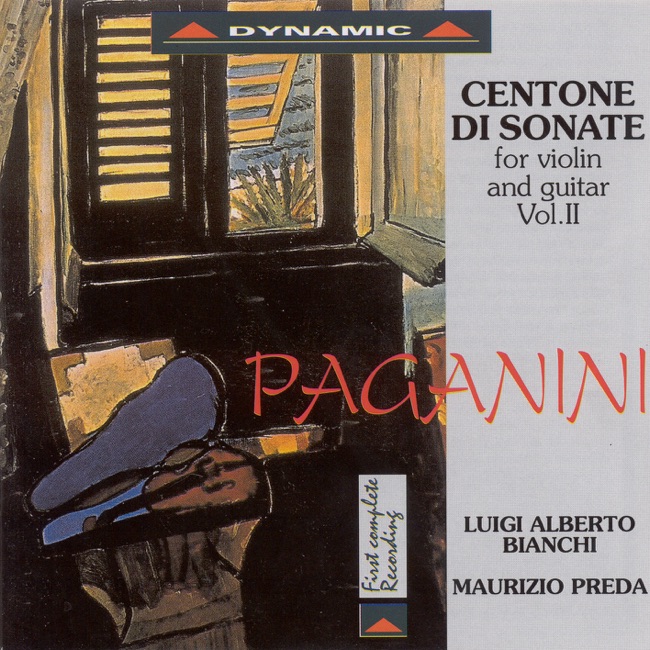
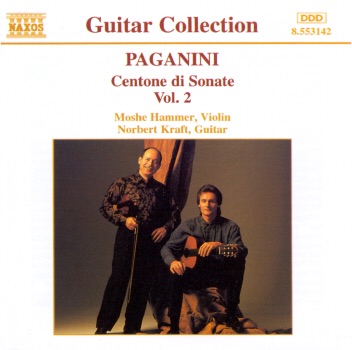
Works Info
Composer:Niccolò PaganiniGenre:ChamberStyle:SonataAverage_duration:9:13Movement_count:5Movement ....Niccolò Paganini's Sonata for violin and guitar in A minor, also known as Centone di sonate, Letter B/5, MS 112/11, was composed in the early 19th century. The exact date of composition is unknown, but it is believed to have been written between 1805 and 1810. The sonata was premiered in Paris in 1836, several years after Paganini's death. The sonata consists of three movements: Allegro spiritoso, Adagio assai espressivo, and Rondeau. The first movement, Allegro spiritoso, is in sonata form and begins with a lively and energetic theme played by the violin. The guitar provides a steady accompaniment throughout the movement, adding a rhythmic and harmonic foundation to the violin's virtuosic passages. The second movement, Adagio assai espressivo, is a slow and lyrical piece that showcases the expressive capabilities of both instruments. The violin plays a mournful melody while the guitar provides a delicate and intricate accompaniment. The final movement, Rondeau, is a lively and playful piece that features a catchy and memorable theme played by the violin. The guitar provides a rhythmic and harmonic foundation, adding to the overall energy and excitement of the movement. One of the most notable characteristics of Paganini's Sonata for violin and guitar is the virtuosic writing for both instruments. The violin part is particularly challenging, featuring rapid runs, intricate arpeggios, and complex double stops. The guitar part is also demanding, requiring the performer to play complex chord progressions and intricate fingerpicking patterns. Despite the technical challenges, the sonata is also known for its expressive and lyrical qualities, particularly in the second movement. Overall, Paganini's Sonata for violin and guitar in A minor is a masterful work that showcases the composer's virtuosic writing and expressive capabilities. Its three movements offer a range of moods and emotions, from the lively and energetic first movement to the mournful and lyrical second movement to the playful and catchy final movement.More....
Works Music
Released Music
1
Sonata for violin & guitar in A minor (Centone di sonata, Letter B/5), MS 112/11
Cantabile, Andante appassionato, con flessibilità
3:42
2
Sonata for violin & guitar in A minor (Centone di sonata, Letter B/5), MS 112/11
1. Cantabile, Andante appassionato con flessibilità
6:19