Antonin Dvorák
String Quartet No. 2 in B flat major, B. 17
Released Album
Recent Album
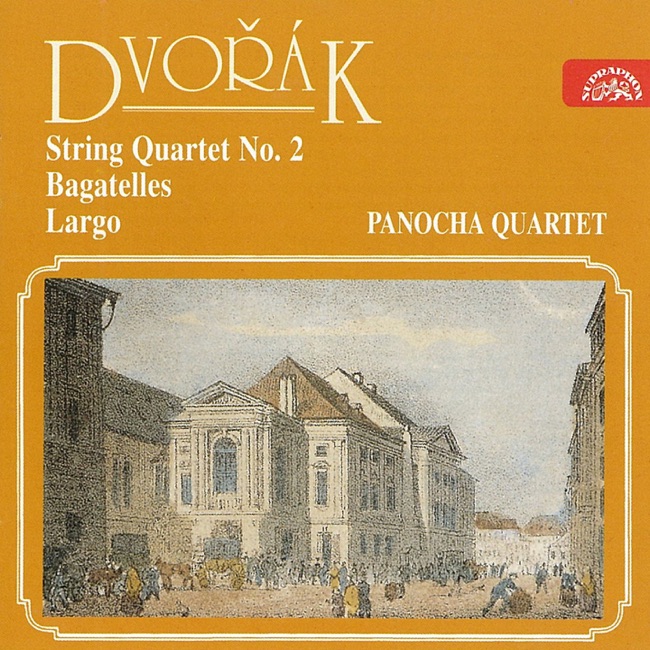
Works Info
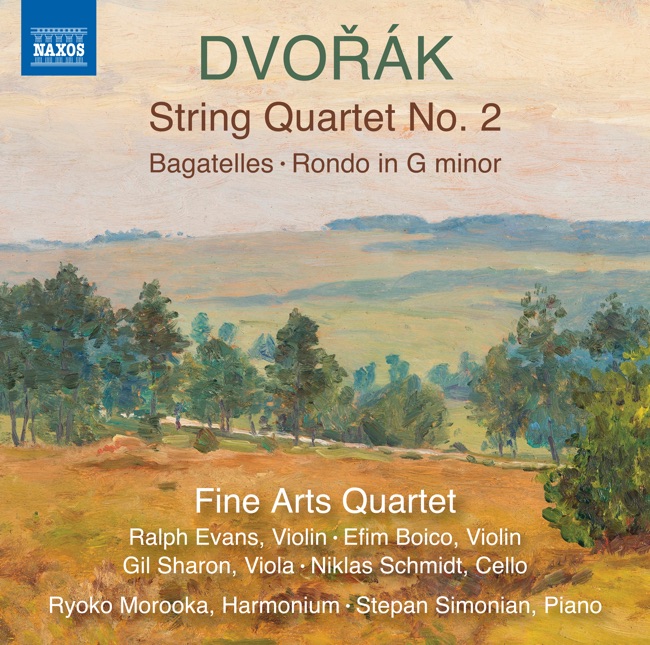
Composer:Antonin DvorákGenre:ChamberStyle:QuartetAverage_duration:43:57Movement_count:4Movement ....Antonin Dvorák's String Quartet No. 2 in B flat major, B. 17, was composed in 1865 when he was just 24 years old. The piece premiered in Prague on January 14, 1874, and was performed by the Bohemian Quartet. The quartet is divided into four movements, each with its own unique characteristics. The first movement, marked Allegro moderato, begins with a slow introduction that sets the tone for the entire piece. The main theme is introduced by the first violin and is characterized by its lyrical and expressive nature. The second theme, played by the cello, is more rhythmic and energetic. The movement is notable for its use of syncopation and its frequent changes in tempo. The second movement, marked Andante con moto, is a slow and melancholic piece that features a beautiful melody played by the first violin. The cello and viola provide a rich harmonic accompaniment, while the second violin adds a delicate counterpoint. The movement is notable for its use of chromaticism and its expressive use of dynamics. The third movement, marked Allegro vivace, is a lively and energetic scherzo that features a playful and rhythmic main theme. The trio section is more lyrical and features a beautiful melody played by the first violin. The movement is notable for its use of syncopation and its frequent changes in tempo. The final movement, marked Allegro con fuoco, is a fast and fiery piece that features a lively and energetic main theme played by the first violin. The second theme, played by the cello, is more lyrical and provides a contrast to the energetic opening theme. The movement is notable for its use of syncopation and its frequent changes in tempo. Overall, Dvorák's String Quartet No. 2 in B flat major, B. 17, is a beautiful and expressive piece that showcases the composer's early talent. The quartet is notable for its use of syncopation, its expressive use of dynamics, and its frequent changes in tempo. It remains a popular piece in the string quartet repertoire and is frequently performed and recorded today.More....
Works Music
Released Music