


Giovanni Pierluigi da Palestrina
Spiritus Sanctus replevit
Released Album
Recent Album
Works Info
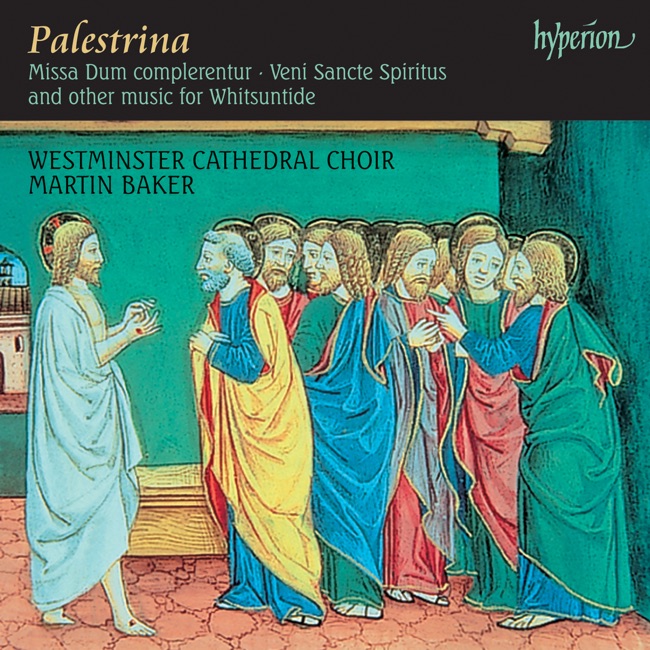
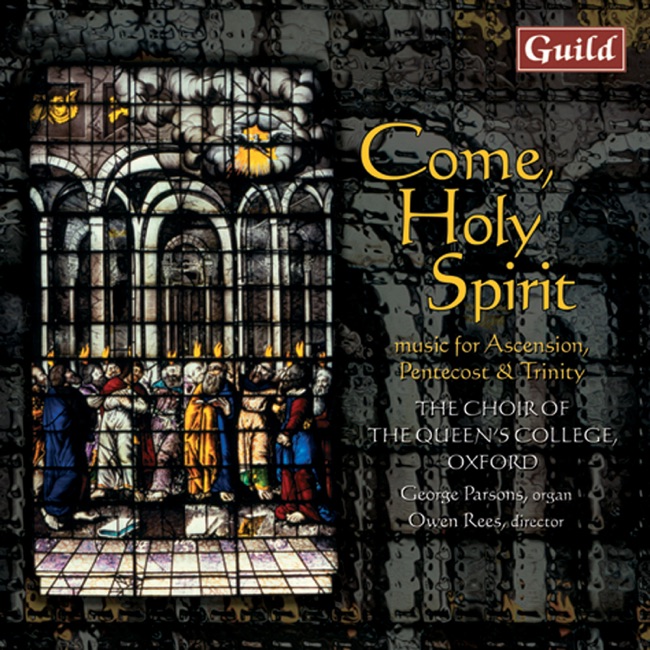
Composer:Giovanni Pierluigi da PalestrinaGenre:ChoralStyle:MotetAverage_duration:4:03Giovanni Pierluigi da Palestrina was a renowned Italian composer of the Renaissance period, known for his sacred music. One of his most famous works is "Spiritus Sanctus replevit," a motet for six voices. The composition of "Spiritus Sanctus replevit" is believed to have been completed in the late 16th century, during Palestrina's tenure as maestro di cappella at the Basilica of St. Mary Major in Rome. The piece was likely written for use in the liturgy of the Catholic Church, as was much of Palestrina's music. The premiere of "Spiritus Sanctus replevit" is not recorded, but it is likely that the piece was performed in the Basilica of St. Mary Major or another church in Rome. The motet has since become a staple of the choral repertoire and is frequently performed in churches and concert halls around the world. "Spiritus Sanctus replevit" is divided into three movements, each of which is based on a different text from the Catholic liturgy. The first movement, "Spiritus Sanctus replevit," is a setting of the Introit for the Feast of Pentecost. The second movement, "Alleluia. Veni Sancte Spiritus," is a setting of the Alleluia for the same feast day. The third movement, "Gloria Patri et Filio," is a setting of the Doxology, a hymn of praise to the Holy Trinity. The characteristics of "Spiritus Sanctus replevit" reflect Palestrina's mastery of polyphonic choral writing. The piece features intricate counterpoint, with each voice part weaving in and out of the others to create a rich tapestry of sound. The harmonies are often complex, with dissonances resolving into consonances to create a sense of tension and release. The overall effect is one of sublime beauty and spiritual depth, perfectly suited to the sacred texts that Palestrina set to music. In conclusion, "Spiritus Sanctus replevit" is a masterpiece of Renaissance choral music, composed by Giovanni Pierluigi da Palestrina in the late 16th century. The motet is divided into three movements, each based on a different text from the Catholic liturgy, and features intricate polyphonic writing and complex harmonies. The piece is a testament to Palestrina's skill as a composer and his deep faith in the power of music to uplift the soul.More....
Works Music
Released Music
1
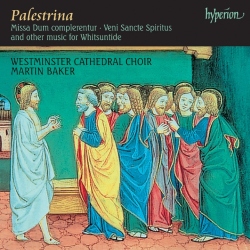
3:39

4
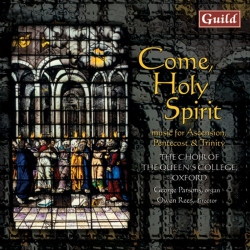
3:13