Codex Calixtinus Anonymous
Huic Jacobo
Released Album
Recent Album
Works Info
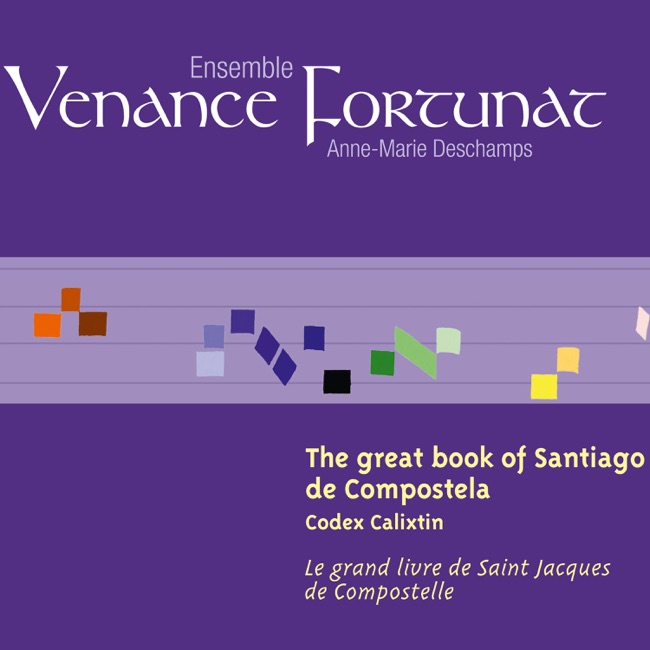
Composer:Codex Calixtinus AnonymousAverage_duration:5:56Huic Jacobo is a composition found in the Codex Calixtinus, an illuminated manuscript from the 12th century that contains a collection of music and liturgical texts related to the pilgrimage to Santiago de Compostela. The composition is anonymous, and its composer is unknown. The piece is believed to have been composed in the 12th century, around the same time as the Codex Calixtinus was created. It is a vocal composition that was likely performed during religious services or pilgrimages to Santiago de Compostela. Huic Jacobo is divided into three movements, each with its own distinct characteristics. The first movement is a monophonic chant that sets the text "Huic Jacobo, sancto viro, Deus dedit gratiam" ("To this holy man James, God has given grace"). The melody is simple and chant-like, with a narrow range and a steady rhythm. The text is repeated several times, with slight variations in the melody each time. The second movement is a polyphonic setting of the same text. It features two voices that sing in parallel motion, creating a rich and harmonious sound. The melody is more complex than in the first movement, with a wider range and more intricate rhythms. The two voices occasionally diverge, creating moments of tension and resolution. The third movement is a return to the monophonic chant of the first movement. However, this time the melody is more elaborate, with more ornamentation and a more varied rhythm. The text is repeated several times, with each repetition becoming more elaborate and ornate. Overall, Huic Jacobo is a beautiful and expressive composition that showcases the musical and liturgical traditions of the 12th century. Its simple yet powerful melodies and harmonies are a testament to the enduring power of religious music.More....
Works Music