


Gregorian Chant
Vidimus stellam eius in oriente
Released Album
Recent Album
Works Info
Composer:Gregorian ChantGenre:ChoralStyle:ChantAverage_duration:1:48"Vidimus stellam eius in oriente" is a Gregorian chant that is traditionally sung during the Christmas season. The chant is believed to have been composed in the 9th century and is one of the oldest known Christmas chants. The text of the chant is taken from the Gospel of Matthew, where the Magi see the star of Bethlehem and follow it to find the baby Jesus. The chant is typically sung in Latin and is divided into three movements. The first movement begins with the words "Vidimus stellam eius in oriente" ("We have seen his star in the east") and sets the scene for the story of the Magi. The second movement, "Et venimus adorare eum" ("And we have come to worship him"), is a joyful expression of the Magi's reverence for the Christ child. The final movement, "Aurum, thus et myrrham" ("Gold, frankincense, and myrrh"), describes the gifts that the Magi bring to the baby Jesus. The characteristics of "Vidimus stellam eius in oriente" are typical of Gregorian chant. The melody is simple and chant-like, with a narrow range and a steady rhythm. The chant is sung in unison, with no harmony or accompaniment, and is often performed by a choir or a soloist. The text is sung in a free rhythm, with the melody following the natural inflections of the Latin language. "Vidimus stellam eius in oriente" has been performed and recorded by many artists and choirs over the years, and remains a beloved Christmas chant in the Western Christian tradition. Its simple melody and timeless text continue to inspire and uplift listeners during the holiday season.More....
Works Music
Released Music
1
Vidimus stellam eius in the East
Vidimus stellam eius in Oriente (Communio von Epiphanie - Communion - Epiphany)
1:52
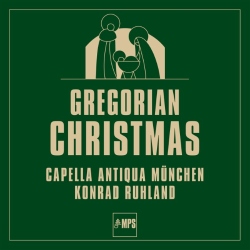
5
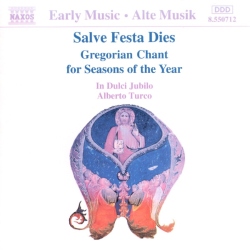
1:58